

India is not just monuments and megacities. The Wild Splendor of India unfolds far beyond its historic forts and bustling streets. It is a living wilderness where Bengal tigers roam ancient forests, snow leopards move silently across frozen Himalayan valleys, and one horned rhinos graze in riverine grasslands shaped by seasonal floods.
Few countries on Earth offer this level of ecological diversity within one border. From Himalayan cold deserts to tropical rainforests, from coral fringed islands to salt deserts glowing under moonlight, India presents adventure travelers with landscapes that feel vast, raw and culturally layered.
For international explorers seeking wildlife tourism in India, this is not simply a safari. It is full immersion into ecosystems shaped by climate, mythology, conservation efforts, and indigenous wisdom.
Here are 15 of the most extraordinary wild destinations that define India’s untamed wild splendor.
 Plan your holiday
- Ranthambore National Park
- Kaziranga National Park
- Sundarbans
- Bandhavgarh National Park
- Kanha National Park
- Gir National Park
- Ladakh
- Spiti Valley
- Periyar Tiger Reserve
- Nagarhole National Park
- Rann of Kutch
- Andaman Islands
- Tawang
- Silent Valley National Park
- Hemis National Park
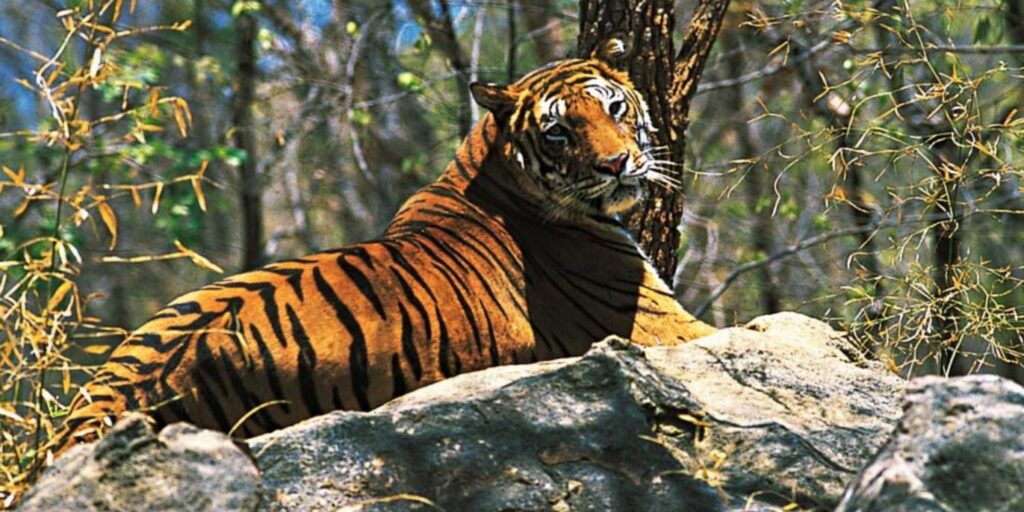
- Bengal tigers
- Leopards
- Sloth bears
- Marsh crocodiles
- Great One horned rhinoceros
- Wild water buffalo
- Asian Elephants
- Bengal Tigers
- Migratory birds
- Royal Bengal tigers
- Saltwater crocodiles
- Fishing cats
- Spotted deer
- Estuarine dolphins
- Bengal tigers
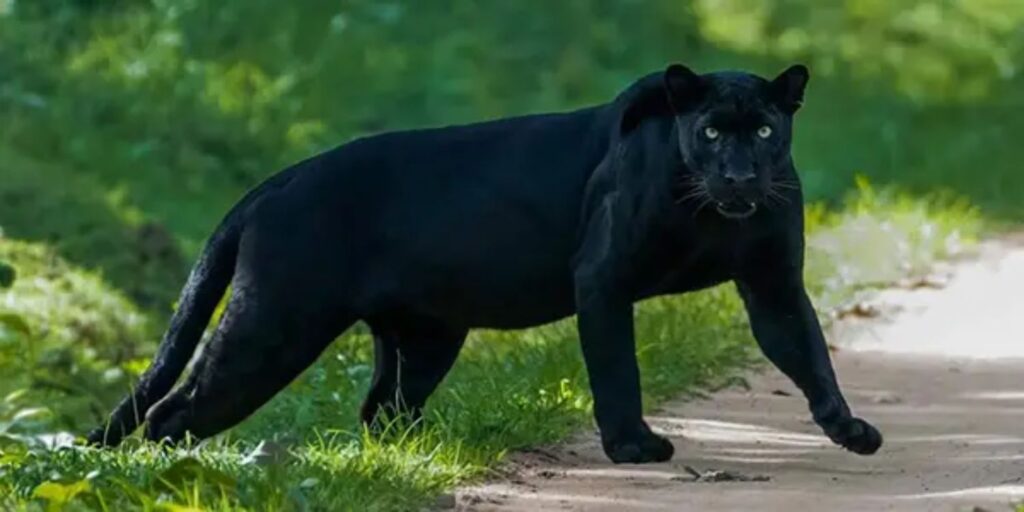
- Indian leopards
- Sloth bears
- Spotted deer
- Indian bison (gaur)
- Bengal tigers
- Barasingha
- Leopards
- Wild dogs (dhole)
- Blackbucks
- Asiatic lions
- Leopards
- Striped hyenas
- Nilgai (blue bull)
- Marsh crocodiles
- Snow leopards
- Himalayan ibex
- Blue sheep (bharal)
- Golden eagles
- Tibetan wolves
- Snow leopards
- Himalayan wolves
- Red foxes
- Ibex
- Bengal tigers
- Asian elephants
- Indian gau
- Lion tailed macaques
- Tigers
- Leopards
- Elephants
- Wild dogs
- Dugongs
- Saltwater crocodiles
- Endemic birds
- Coral reef species
- Indian wild ass
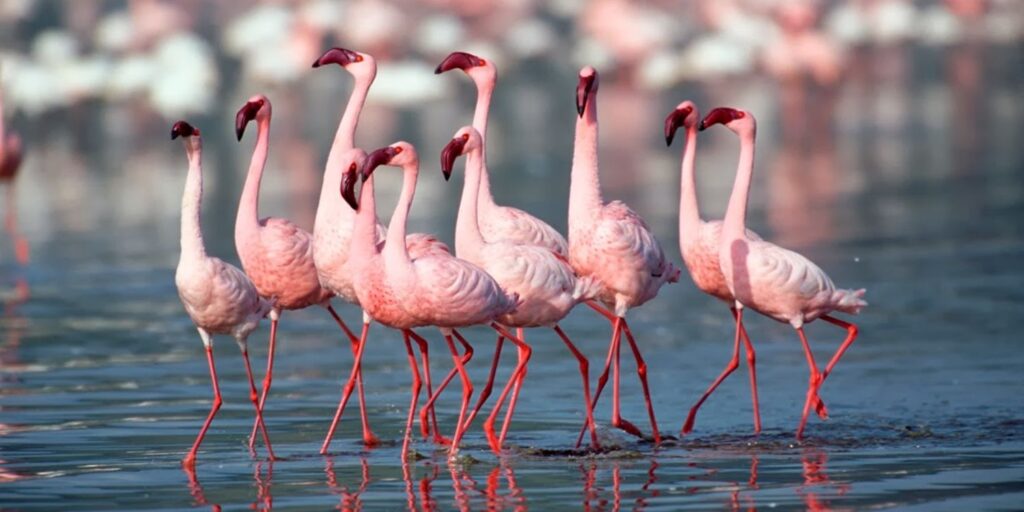
- Flamingos
- Desert foxes
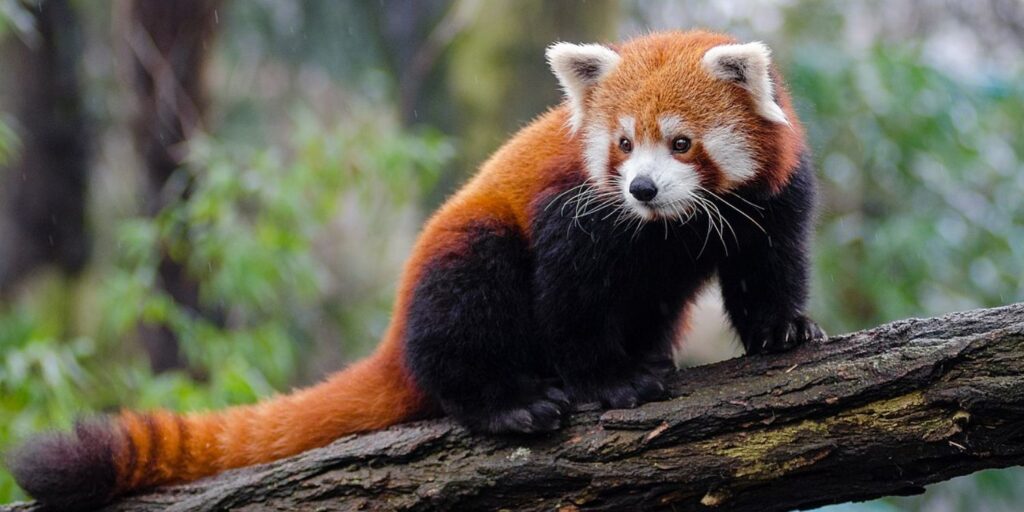
- Red pandas
- Himalayan black bears
- Monal pheasants
- Lion tailed macaques
- Malabar giant squirrels
- Nilgiri langurs
- Snow leopards
- Tibetan wolves
- Himalayan marmots
- 4 biodiversity hotspots
- 70% of world’s wild tigers
- Only habitat of Asiatic lions
- Rare one horned rhinoceroses
- Living forest cultures
- Ranthambore National Park (Rajasthan)
- Bandhavgarh National Park (Madhya Pradesh)
- Kanha National Park (Madhya Pradesh)
- Tadoba National Park (Maharashtra)
- Jim Corbett National Park (Uttarakhand)
- October–March: Pleasant weather, good wildlife movement
- April–June: Hot but higher tiger visibility
- July–September: Many parks close during monsoon
- For tigers: Bandhavgarh or Ranthambore
- For rhinos: Kaziranga
- For lions: Gir
- For rainforest biodiversity: Periyar or Silent Valley
1.Ranthambore National Park
 Plan your holiday
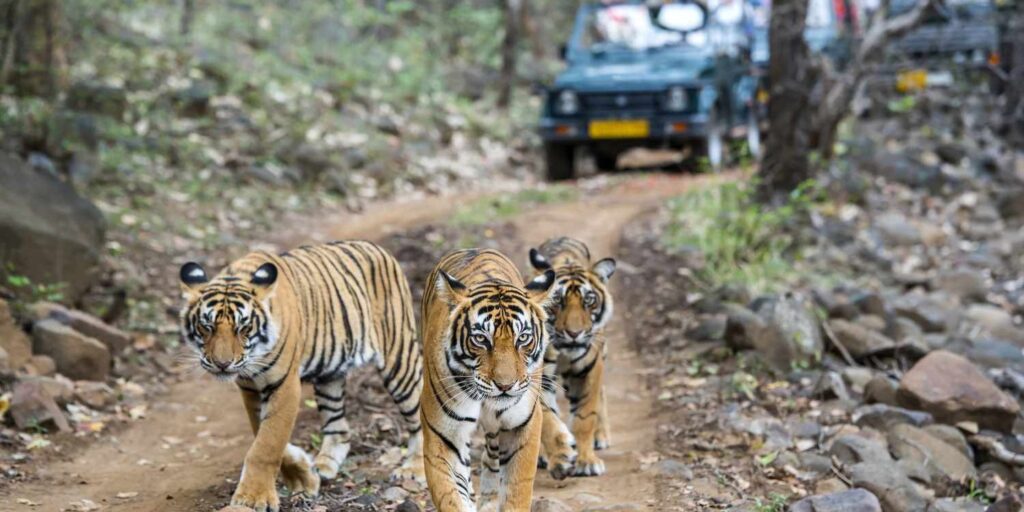
Located in Rajasthan, Ranthambore blends dramatic wilderness with medieval history. Dry deciduous forests stretch across rugged terrain, while the imposing Ranthambore Fort rises above tiger territory like a silent guardian of the wild.
What makes it globally unique is the surreal sight of a Bengal tiger walking past centuries old stone walls. Few safari destinations in the world offer such a dramatic contrast between history and wildlife.
Wildlife Highlights:
The best time to visit is between October and April. During late summer, shrinking water sources increase the chances of tiger sightings. For travelers based in Jaipur, many prefer structured options such as the From Jaipur: Ranthambore National Park Day Trip with Safari, which simplifies transport logistics and secures safari permits in advance especially helpful during peak wildlife season. Luxury jungle lodges nearby provide curated safari experiences, making Ranthambore highly accessible for international travelers.
Check Out: 8 Thrilling Adventure Spots in India | Travel Rethink Ways
2.Kaziranga National Park
 Plan your holiday
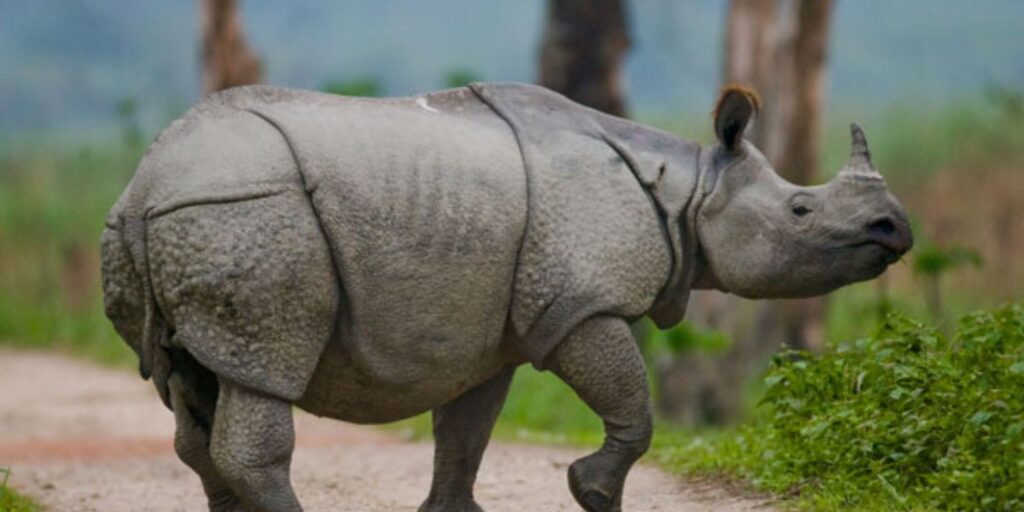
Located in Assam along the floodplains of the Brahmaputra River, Kaziranga is one of the most successful conservation stories in the world. Vast elephant grass meadows stretch across riverine islands, interspersed with wetlands and semi evergreen forests. Seasonal floods reshape the landscape each year, replenishing nutrients and sustaining one of the highest densities of wildlife in Asia.
What makes Kaziranga globally unique is its status as the stronghold of thegreater one horned rhinoceros. Nowhere else on Earth can travelers witness such a thriving population of this prehistoric looking species in its natural habitat. Kaziranga is also a UNESCO World Heritage Site, celebrated for conservation success. The combination of misty mornings, grazing rhinos, and wild elephants creates a safari experience unlike African savannas or Southeast Asian jungles.
Wildlife Highlights:
The best time to visit is between November and April, when floodwaters recede and jeep safaris operate smoothly. The park closes during peak monsoon due to flooding. Kaziranga’s eco lodges emphasize conservation focused tourism, offering both comfort and authenticity for international visitors.
Check Out: 8 Epic Himalayan Treks That Redefine Adventure in India | Travel Rethink Ways
3.Sundarbans
 Plan your holiday
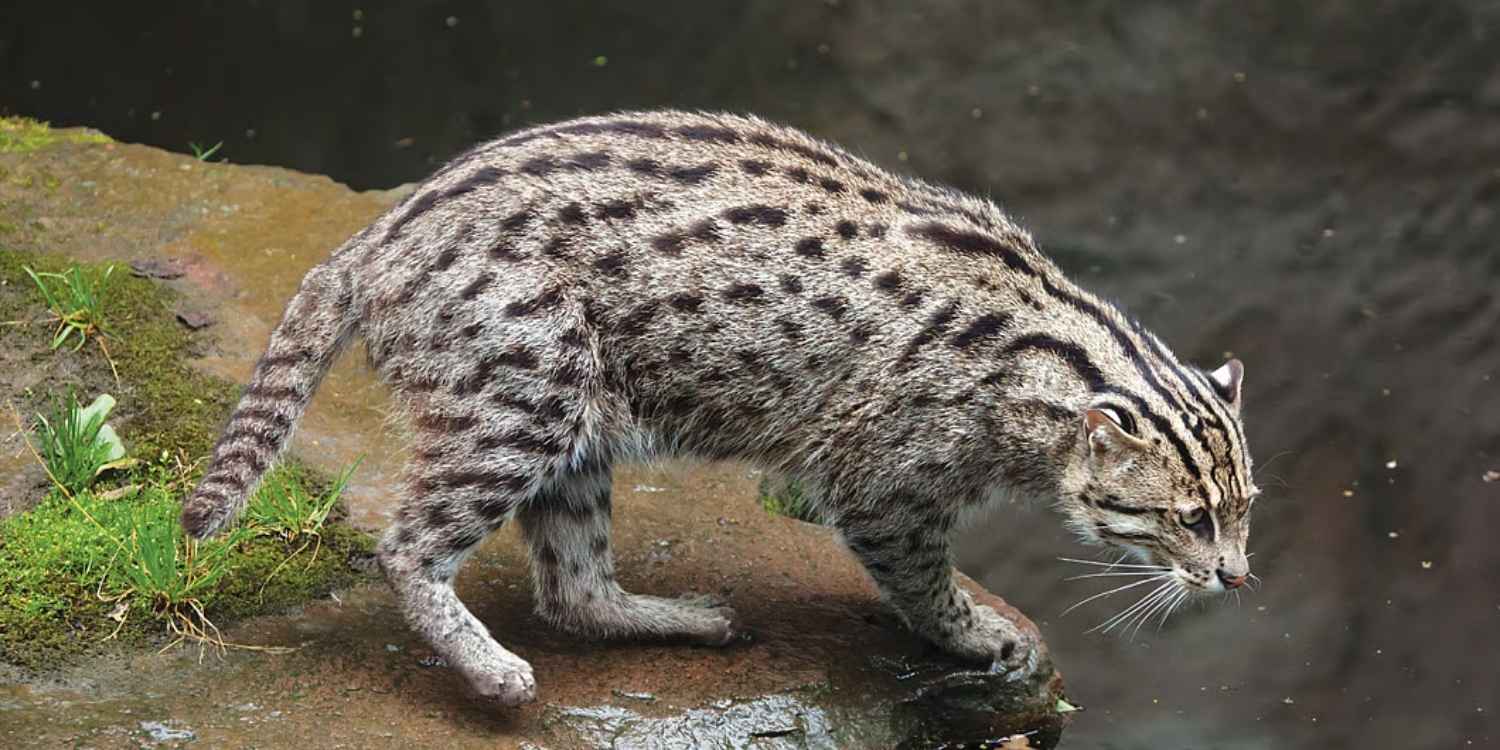
The Sundarbans is the world’s largest mangrove ecosystem and one of the most mysterious wilderness zones in Asia. Here, land and sea blur into one another. Mudflats, tidal creeks, and tangled mangrove roots define a landscape constantly shaped by lunar tides and river currents.
What sets the Sundarbans apart globally is its swimming Royal Bengal tiger population. These tigers have adapted to saline waters and often traverse islands by swimming across tidal channels. Unlike traditional jeep safaris, exploration here happens by boat, creating an atmosphere of suspense and mystery.
Wildlife Highlights:
The ideal season is November to February, when temperatures are cooler and wildlife is more active. The Sundarbans demand patience and respect, it is less about guaranteed sightings and more about immersion into a fragile ecosystem shaped by nature’s rhythms.
Check Out: The 8 Best Adventure Activities In Leh Ladakh | Travel Rethink Ways
4.Bandhavgarh National Park
 Plan your holiday
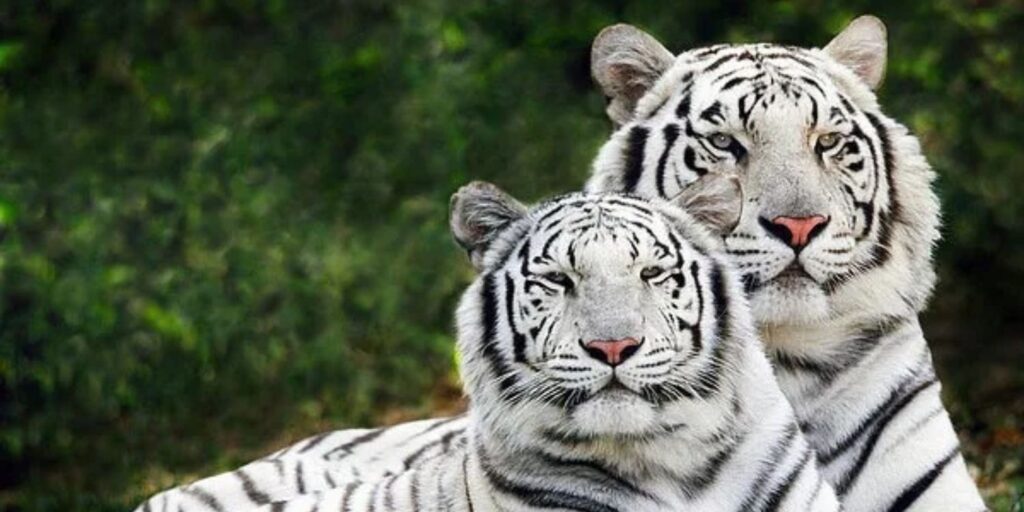
Located in Madhya Pradesh, Bandhavgarh is renowned for having one of the highest tiger densities in India. The park’s dramatic terrain features steep ridges, open meadows, and ancient caves carved into sandstone cliffs. At its center stands the historic Bandhavgarh Fort, adding layers of myth and archaeology to the landscape.
Its global appeal lies in the remarkable frequency of tiger sightings. Dense forests echo with alarm calls from langurs and deer, often signaling a predator nearby. Photographers consider Bandhavgarh one of the best places in the world to document Bengal tigers in the wild.
Wildlife Highlights:
The best time to visit is October to June, with peak tiger sightings in the hotter months of April and May. Safari infrastructure is well developed, making it a favorite for wildlife photographers and documentary filmmakers.
Check Out: Uttarakhand Whispers: Love, Serenity and Sacred Skies | Travel Rethink Ways
5.Kanha National Park
 Plan your holiday
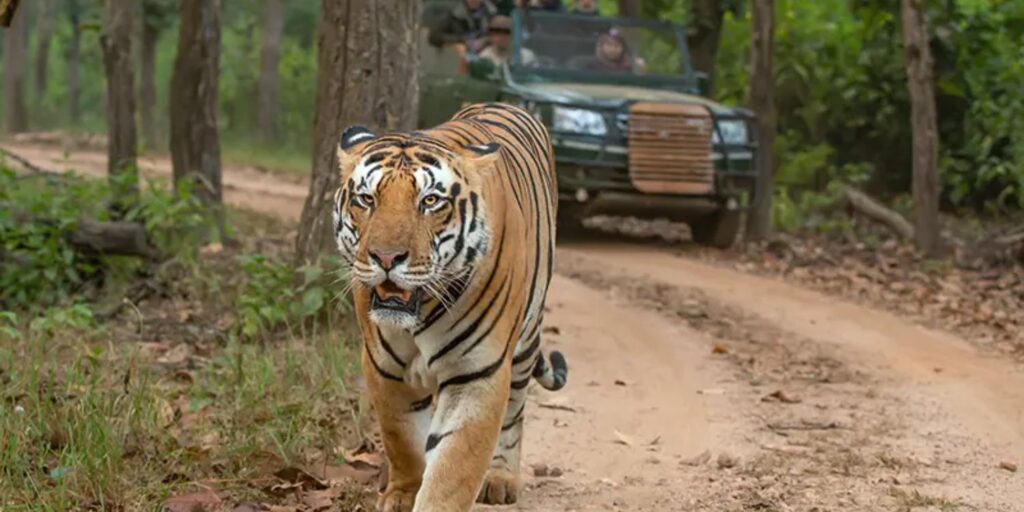
Kanha’s sweeping meadows and towering sal forests inspired Rudyard Kipling’s The Jungle Book. Located in central India, this park is known for its scenic beauty and meticulous wildlife management practices.
What distinguishes Kanha is its successful conservation of the barasingha (hard ground swamp deer), once on the brink of extinction. The park’s grasslands, locally called “maidans,” create open vistas ideal for wildlife observation.
Wildlife Highlights:
The best time to visit is October to June. Kanha is often praised for its balanced tourism model, where conservation, community engagement, and visitor experience coexist harmoniously.
Check Out: 8 Great Rivers of South America: From the Amazon to the Parana | Travel Rethink Ways
6.Gir National Park
 Plan your holiday
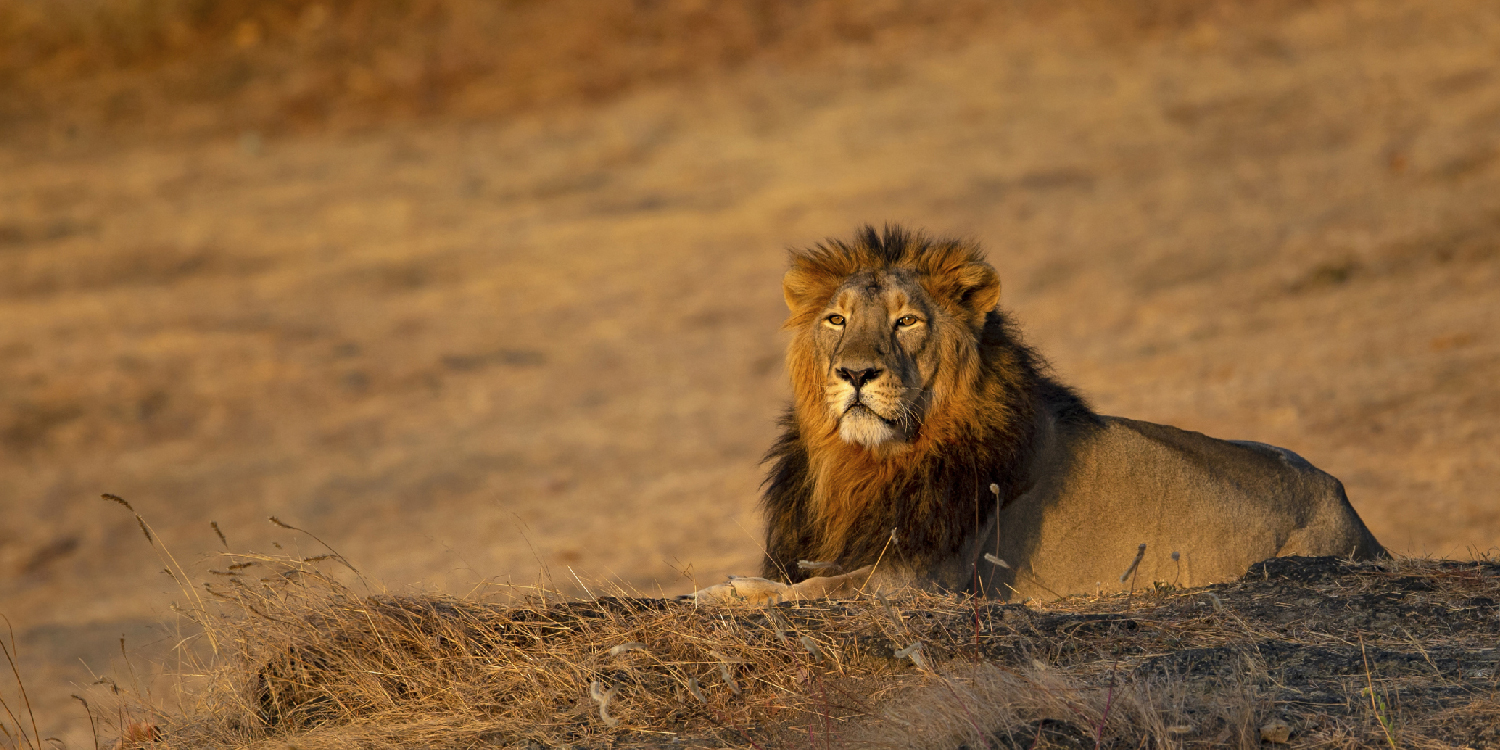
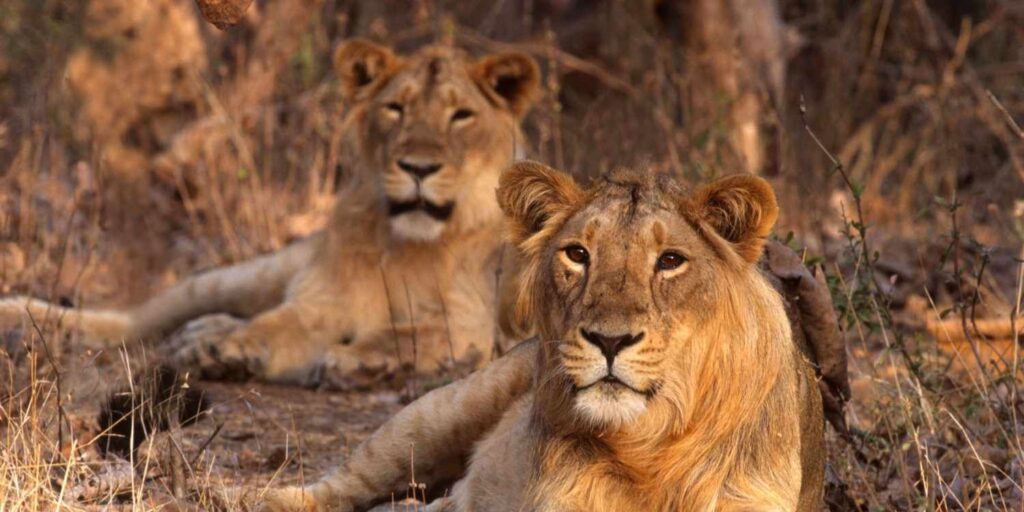
Situated in Gujarat, Gir is the last refuge of the Asiatic lion. Unlike African lions roaming open savannas, these lions inhabit dry teak forests and scrublands.
Gir’s uniqueness lies in its conservation triumph. From fewer than 20 lions in the early 20th century, the population has rebounded significantly. Seeing a pride resting under forest shade is a rare privilege unavailable anywhere else on Earth.
Wildlife Highlights:
The park is best visited from December to March. Community involvement has played a key role in lion conservation, making Gir a model for species recovery.
7.Ladakh
 Plan your holiday
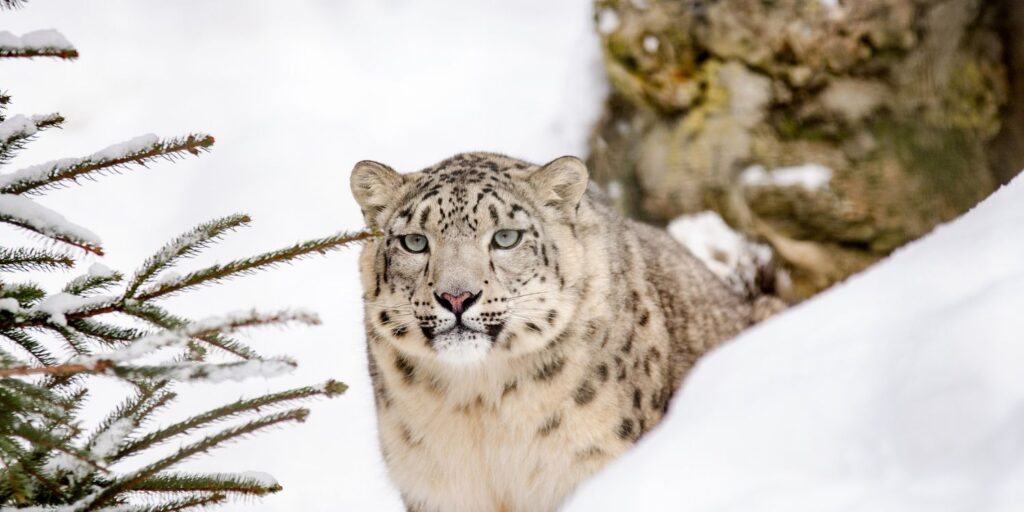
High in the trans Himalayan region, Ladakh is a cold desert characterized by barren mountains, high altitude lakes, and ancient monasteries perched dramatically on cliffs.
Globally, Ladakh is synonymous with snow leopard tracking. Winter expeditions attract wildlife enthusiasts eager to glimpse the “ghost of the mountains.” The stark beauty of frozen valleys creates a raw, almost otherworldly experience.
Wildlife Highlights:
The best time for snow leopard tracking is January to March. Summer months are ideal for trekking and wildlife photography.
Check Out: Explore Europe Freely: Top 8 Schengen Countries for Travelers | Travel Rethink Ways
8.Spiti Valley
 Plan your holiday
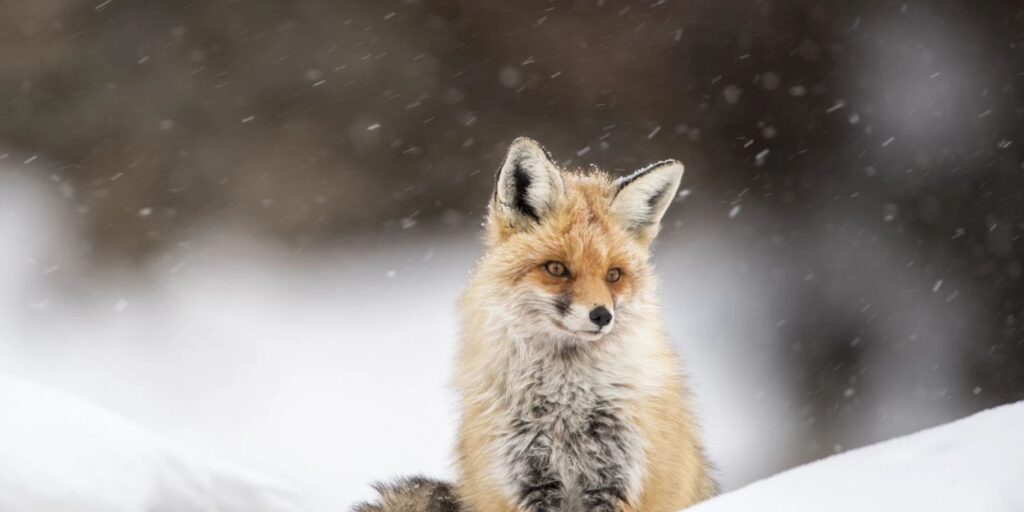
Neighboring Ladakh, Spiti Valley offers rugged Himalayan wilderness dotted with remote Buddhist villages. Fossil rich mountains and glacial rivers define its dramatic terrain.
Its appeal lies in solitude. Far from mainstream tourism, Spiti provides raw adventure experiences and opportunities to witness rare Himalayan fauna in undisturbed habitats.
Wildlife Highlights:
The region is accessible from May to October. Winter travel is possible but challenging due to extreme weather.
Check Out: Amalfi Coast Diaries: Romance Along the Riviera | Travel Rethink Ways
9.Periyar Tiger Reserve
 Plan your holiday
Nestled in Kerala’s Western Ghats, Periyar combines dense evergreen forests with a serene lake formed by a dam. Misty mornings reveal elephants bathing near the water’s edge.
Unlike many reserves, boat safaris are a signature experience here, allowing visitors to observe wildlife from the calm waters of Periyar Lake.
Wildlife Highlights:
The best time to visit is October to March. Because Periyar is often combined with Kerala’s hill stations and backwaters, many travelers explore it through curated itineraries such as the Cochin: 6-Day Private Tour with Munnar, Thekkady & Alleppey, which includes Thekkady (Periyar) alongside tea plantations and houseboat experiences. The reserve emphasizes eco tourism and guided nature walks led by trained local experts, ensuring responsible and immersive wildlife encounters.
10.Nagarhole National Park
 Plan your holiday
Part of the Nilgiri Biosphere Reserve, Nagarhole features lush forests, waterfalls, and the Kabini River. During dry months, animals congregate along riverbanks, offering exceptional viewing opportunities.
Luxury eco lodges have made Nagarhole popular among international travelers seeking premium wildlife experiences.
Wildlife Highlights:
The best time to visit is November to May, particularly during the dry season.
Check Out: Luxury Train Journeys Where Time Travels in Style | Travel Rethink Ways
11.The Andaman Islands
 Plan your holiday
Located in the Bay of Bengal, the Andaman Islands offer tropical rainforests and vibrant coral reefs.
Crystal clear waters attract divers from around the world. Marine biodiversity here rivals Southeast Asia’s best dive sites.
Wildlife Highlights:
It blends rainforest and coral reef ecosystems, rare within one destination. The best time to visit is November to April.
Check Out: Unmissable 2026 Wildlife Safari Hotspots in India for Nature Lovers | Travel Rethink Ways
12.Rann of Kutch
 Plan your holiday
The Rann of Kutch in Gujarat is a vast white salt desert that transforms dramatically with the seasons. During monsoon, it floods; during winter, it becomes a shimmering white expanse under moonlight.
Its uniqueness lies in its surreal, almost lunar landscape and migratory flamingo populations.
Wildlife Highlights:
Best visited from November to February, when the Rann Utsav cultural festival takes place.
Check Out: 10 Best Islands in India for Your Next Escape | Travel Rethink Ways
13.Tawang
 Plan your holiday
Situated in Arunachal Pradesh, Tawang combines alpine landscapes with strong Tibetan Buddhist culture.
Glacial lakes and yak dotted meadows create dramatic scenery rarely seen by international tourists.
Wildlife Highlights:
The environment feels remote and spiritually layered. The best time to visit is March to October.
Check Out: 30 Best Places to Visit in January in India 2026 | Travel Rethink Ways
14.Silent Valley National Park
 Plan your holiday
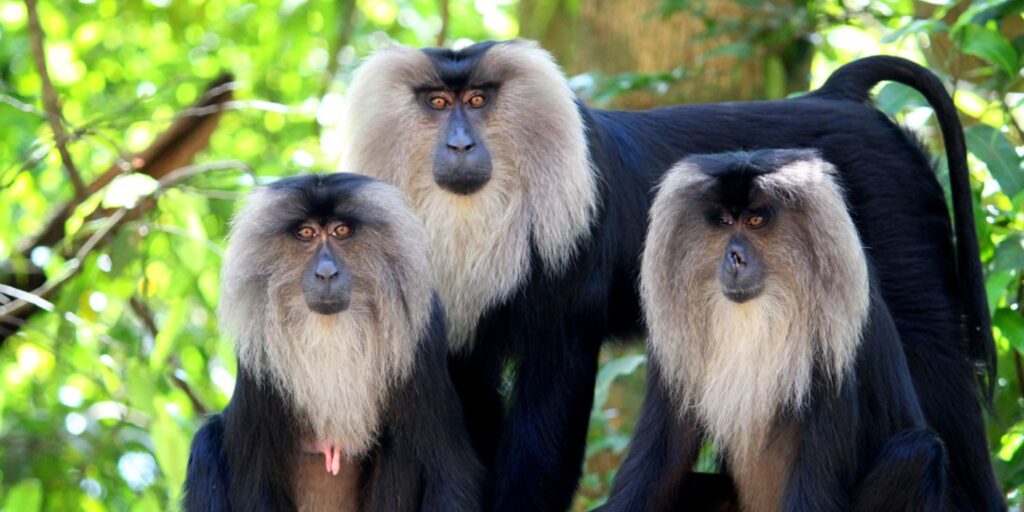
Silent Valley in Kerala preserves one of India’s last pristine rainforests. Its dense canopy shelters endemic species rarely seen elsewhere.
Wildlife Highlights:
It is a haven for ecologists and birdwatchers. The best time to visit is December to April.
Check Out: 30 Best Places to Visit in May in India 2026 | Travel Rethink Ways
15.Hemis National Park
 Plan your holiday
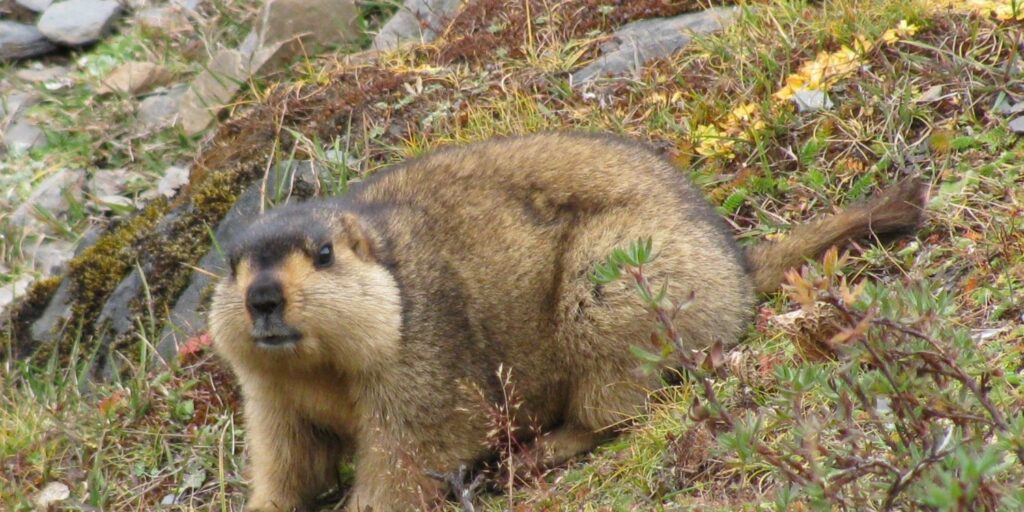
Located in Ladakh, Hemis is India’s largest national park and a global hotspot for snow leopard conservation.
Winter tracking expeditions here combine adventure with community based conservation.
Wildlife Highlights:
The best time for snow leopard sightings is January to March.
Check Out: 30 Best Places to Visit in April in India 2026 | Travel Rethink Ways
Why India’s Wilderness Is Globally Unique
India is not one ecosystem, it is a continent of climates.
Check Out: 30 Best Places to Visit in February in India 2026 | Travel Rethink Ways
FAQs: Wildlife Travel & Safaris in India
1. Is India good for wildlife tourism?
Yes. India is one of the best wildlife destinations in the world. It is home to over 100 national parks, 50+ tiger reserves, four biodiversity hotspots, and rare species such as Bengal tigers, Asiatic lions, one horned rhinos and snow leopards. Wildlife tourism in India combines safari experiences with cultural depth and diverse landscapes.
2. Where can I see tigers in India?
The best places to see tigers in India include:
India holds over 70% of the world’s wild tiger population.
3. What is the best time for safari in India?
The best time for wildlife safaris in India is from October to April.
For snow leopard expeditions, January to March is ideal.
4. Is India safe for wildlife safaris?
Yes. Safaris in India are strictly regulated by forest departments. Visitors must be accompanied by trained drivers and certified naturalists. National parks follow fixed routes and timing schedules to ensure safety for both wildlife and tourists.
5. Do international travelers need permits for Indian national parks?
Yes. Entry permits are required for most national parks and tiger reserves. These are usually booked online in advance through official state forest portals or via safari operators. Certain Himalayan regions may require additional inner line permits.
6. Which is the best national park in India
There is no single “best” park, it depends on what you want to experience:
Each park offers a different landscape and wildlife focus.
7. Are luxury jungle lodges available in India?
Yes. Many national parks offer high end eco lodges with private cottages, naturalist guided safaris, curated experiences and conservation focused hospitality. Ranthambore, Kanha, Kabini and Bandhavgarh are known for premium safari stays.
8. Are luxury jungle lodges available in India?
Yes. Many national parks offer high end eco lodges with private cottages, naturalist guided safaris, curated experiences and conservation focused hospitality. Ranthambore, Kanha, Kabini and Bandhavgarh are known for premium safari stays.
Final Reflection | Wild Splendor of India
India’s wilderness is more than a travel experience, it is a journey into some of the planet’s most diverse and dramatic ecosystems. From tiger filled forests and rhino grasslands to Himalayan cold deserts and coral islands, the country offers unmatched ecological variety within one border. What makes it truly special is the harmony between conservation, culture, and community. Each landscape tells a story of resilience and coexistence. For travelers seeking more than sightseeing, India’s wild spaces provide immersion, adventure, and perspective, a powerful reminder that the natural world still thrives, vast and untamed.
Discover: Valentine’s Day Travel Ideas in India: Romantic Escapes for Every Couple | Travel Rethink Ways
Want Help with Flights and Hotels?