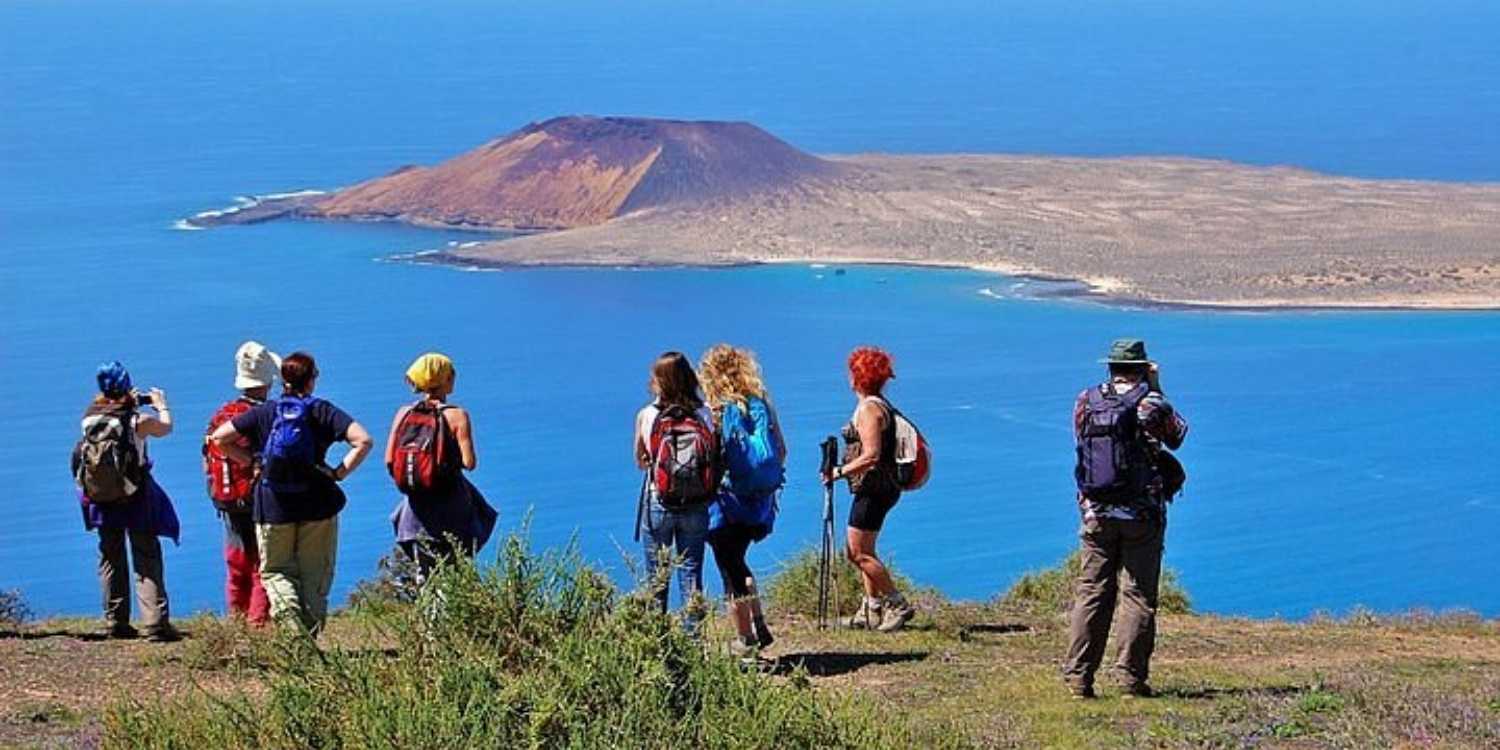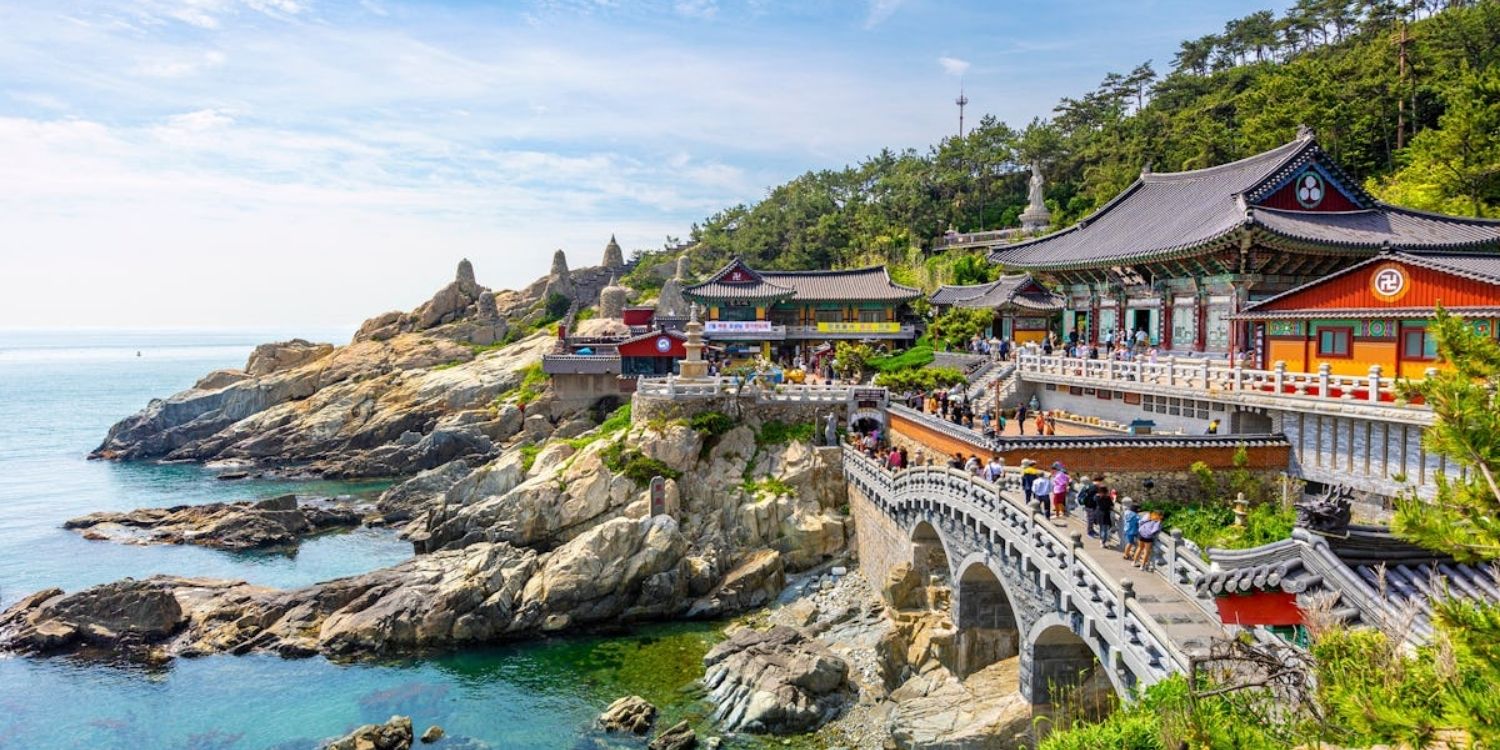


When most people think of volcanoes, they imagine Iceland, Hawaii, or Indonesia — but Volcanoes in India and the surrounding Indian Ocean region are just as fascinating. This part of the world is home to one of Asia’s only active volcanoes, massive ancient lava formations that shaped India’s landscape, and dramatic volcanic islands scattered across the ocean. Whether you’re a traveler or a geology enthusiast, exploring Volcanoes in India and the Indian Ocean reveals a compelling story of fire, lava, and deep-earth forces.
Below is a complete guide to the major volcanic sites in and around India — their activity, significance, and why they matter.
 Plan your holiday
- Barren Island
- Narcondam Volcano
- Deccan Traps
- Piton de la Fournaise
- Piton des Neiges
- Mauritius & Rodrigues
- Comoros Islands
- Madagascar
Barren Island Volcano | India’s Only Volcano
 Plan your holiday
Status: Active
Type: Stratovolcano
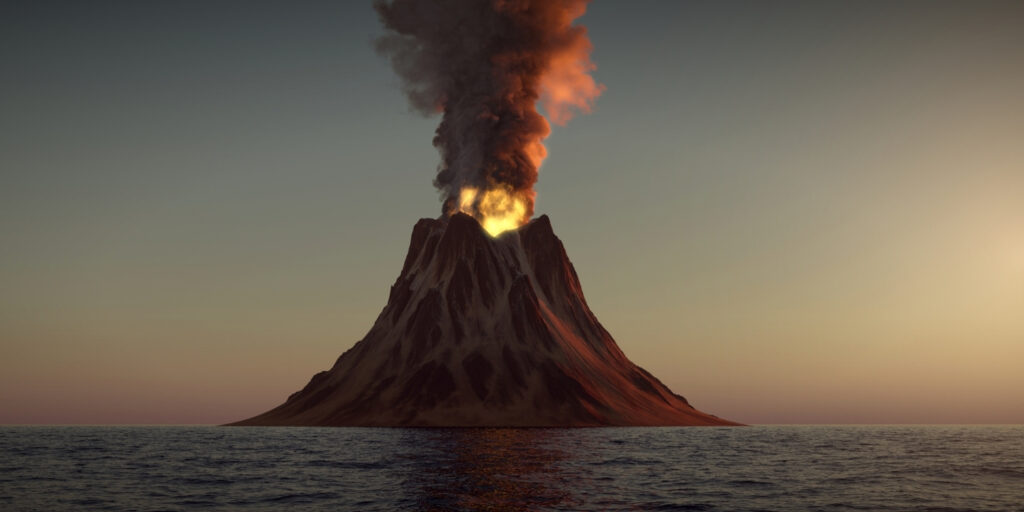
Barren Island is the crown jewel of Volcanoes in India — the only active volcano in India and South Asia. Located about 135 km from Port Blair, this remote island features a smoking crater and dramatic lava slopes plunging into the sea.
Why It’s Important
- Surrounded by volcanic reefs ideal for diving
- India’s only active volcano
- A rare location for photography and scientific study
Read About The Spice Route: Discovering India’s Culinary Heritage | Travel Rethink Ways
Narcondam Volcano | Wildlife Haven

Status: Dormant
Type: Stratovolcano
Narcondam is a dormant volcanic island known for its lush forests and the endemic Narcondam Hornbill. Its isolation and restricted access protect its rare biodiversity.
Highlights
- Habitat of the Narcondam Hornbill
- Dense volcanic-formed forests
- Remote, ecologically fragile island
Read About South Indian Secrets: From Dosa to Filter Coffee | Travel Rethink Ways
Deccan Traps | Ancient Volcanic Wonder
Status: Extinct
Type: Flood Basalt Province
One of the most remarkable features linked to Volcanoes in India is the Deccan Traps. Formed by massive volcanic eruptions around 66 million years ago, this flood basalt region covers large parts of western and central India.
Highlights
- Among the largest volcanic events in Earth’s history
- Potential contributor to the extinction of dinosaurs
- Home to spectacular basalt cliffs and plateaus

Read About Exploring the Flavors That Define Our World | Travel Rethink Ways
Piton de la Fournaise | Volcano Tourism Hotspot
 Plan your holiday
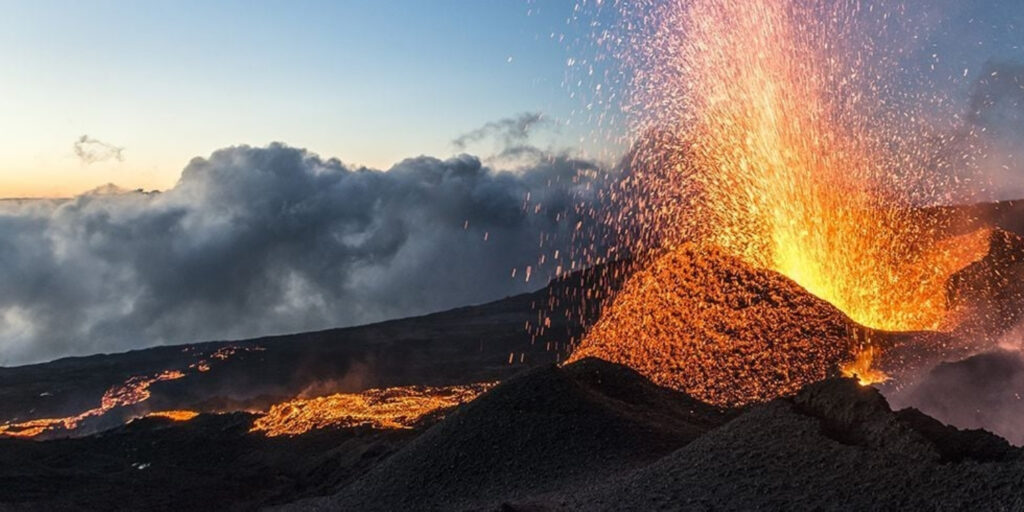
Status: Active
Highlights
- Accessible crater viewpoints
- Frequent, predictable eruptions
- UNESCO-protected landscapes
Read About Awaken Your Senses: 2026 Multisensory Voyages That Redefine Travel | Travel Rethink Ways
Piton des Neiges | Reunion’s Summit Giant
Status: Extinct
Type: Shield Volcano
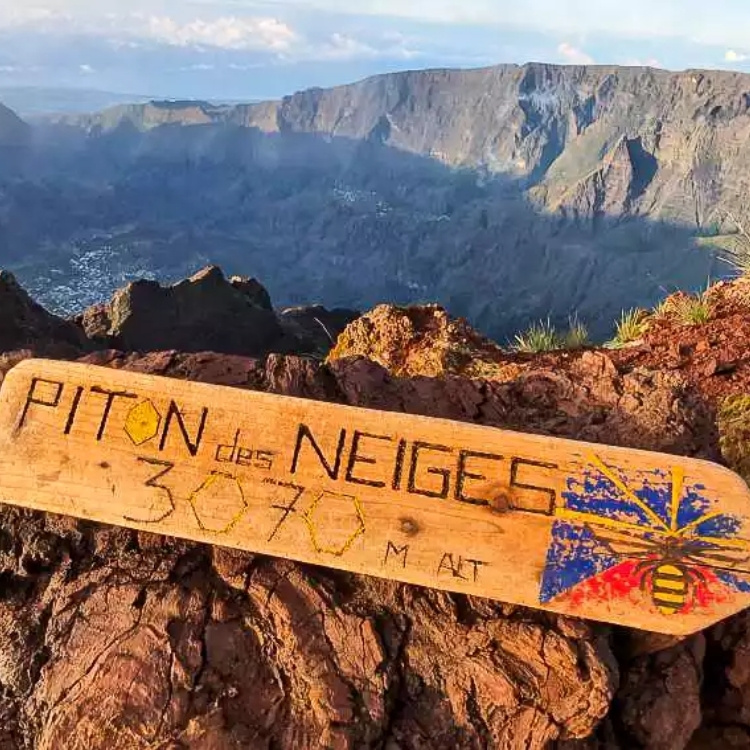
An extinct shield volcano on Reunion and the highest peak in the Indian Ocean. Its dramatic crater valleys and hiking trails make it a popular destination.
Highlights
- Highest peak in the Indian Ocean at 3,070 meters
- Extinct shield volcano with dramatic crater valleys
- Popular sunrise trekking route with panoramic views
Read About Love in Every Glow: India’s Best Candlelight Dining Spots 2026 | Travel Rethink Ways
Mauritius & Rodrigues — Volcanic Landscapes
Status: Extinct
Type: Volcanic Islands
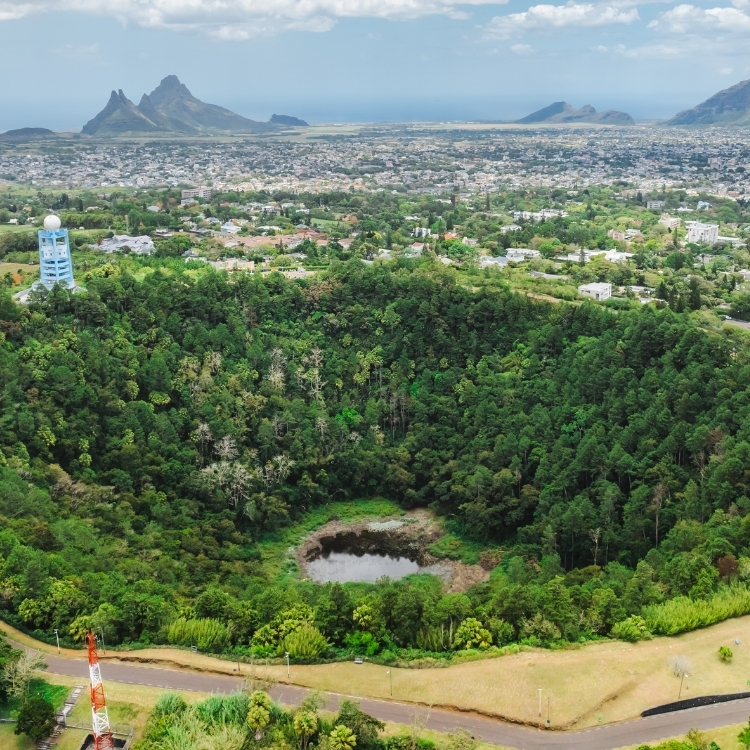
Though dormant today, both islands were formed entirely by volcanic activity and still showcase striking geological features.
Mauritius Highlights
- Trou aux Cerfs Crater
- Chamarel Seven Coloured Earth
- Basalt formations in Black River Gorges
Rodrigues Highlights
- Caverne Patate lava tube
- Basalt cliffs across the island
- Island-wide volcanic landforms
Read About Bloom Trails: Best Spring Destinations in India 2026 | Travel Rethink Ways
Comoros Islands | Massive Caldera
 Plan your holiday
Status: Active
Location: Grande Comore
Mount Karthala is one of the largest active volcanoes in the Indian Ocean. Its vast caldera and periodic eruptions attract both trekkers and researchers.
Highlights
- Vast summit caldera
- Periodic lava and ash activity
- Popular trekking routes
Read About Golden Season: Where to Travel in India this Autumn 2026 | Travel Rethink Ways
Madagascar | Volcanic Regions

Status: Extinct
Type: Volcanic Fields
Madagascar features multiple volcanic fields, including the Ankaratra and Itasy regions, known for crater lakes, volcanic vents, and ancient lava flows.
Highlights
- Crater lakes and geothermal vents
- Ancient lava fields
- Fertile volcanic landscapes
Read About Love in Every Glow: India’s Best Candlelight Dining Spots 2026 | Travel Rethink Ways
Why These Volcanoes Matter
The story of Volcanoes in India and the Indian Ocean region reveals how geological forces shape:
- soil fertility
- biodiversity
- coastlines and islands
- local tourism and adventure travel
- scientific understanding of Earth’s evolution
These volcanic formations continue to influence ecosystems and landscapes even today.
Travel & Safety Tips
If you plan to visit volcanic sites related to Volcanoes in India or the Indian Ocean:
- Check volcanic activity alerts
- Travel with licensed operator
- Maintain safe distance from craters and vents
- Respect protected and restricted zones
- Wear appropriate footwear and carry essentials
The story of Volcanoes in India and the surrounding Indian Ocean region is a journey through ancient eruptions, active fire mountains, and stunning basalt landscapes. From the live eruptions of Barren Island to the vast Deccan Traps and the active peaks of Réunion and Comoros, these volcanoes illustrate the immense geological power shaping our part of the world. Whether explored from a boat, on foot, or through scientific study, these volcanic landmarks reveal a side of India and the Indian Ocean that is dynamic, powerful, and endlessly fascinating.
Next Stop
Best Places in India to Visit in March 2025 for Vacations | Travel.RethinkWays
Want Expert Travel Advice?