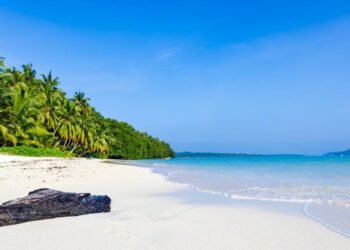












Bali is not just a destination, it is an experience shaped by volcanoes, sacred temples, emerald rice fields, dramatic cliffs, jungle waterfalls, and island escapes surrounded by turquoise waters. Known as the “Island of the Gods,” Bali blends spirituality, natural beauty, and cultural depth in a way few places in the world can. Every Bali attractions tells a different story.
In Ubud, you’ll find ancient temples hidden in rainforest valleys. In South Bali, cliffside shrines overlook crashing waves. In East Bali, royal water palaces reflect centuries of history. And just offshore, the Nusa Islands reveal some of Indonesia’s most dramatic coastal landscapes.
This detailed guide covers 30 of the most iconic Bali attractions, organized by region to help you plan efficiently and explore deeply.
 Plan your holiday
- Sacred Monkey Forest Sanctuary
- Tegalalang Rice Terrace
- Campuhan Ridge Walk
- Tegenungan Waterfalls
- Kanto Lampo Waterfall
- Tirta Empul Temple
- Goa Gajah (Elephant Caves)
- Ubud Palace
- Saraswati Temple
- Sekumpul Waterfall
- Mount Batur
- Lake Batur
- Lempuyang Temple
- Tirta Gangga
- Ujung Water Palace
- Besakih Temple
- Uluwatu Temple
- Melasti Beach
- Padang Padang Beach
- Pandawa Beach
- Jimbaran Bay
- Nusa Dua Beach
- Tanah Lot Temple
- Ulun Danu Beratan Temple
- Banyumala Twin Waterfalls
- Wanagiri Hidden Hills
- Kelingking Beach
- Diamond Beach
- Angel’s Billabong
- Nusa Lembongan
Ubud & Central Bali – The Cultural Heart of Bali Attraction
Ubud is known as Bali’s artistic and spiritual center. Surrounded by rainforest valleys, rivers, temples, and terraced rice fields, this region provides a slower and more meaningful travel experience.
1. Sacred Monkey Forest Sanctuary
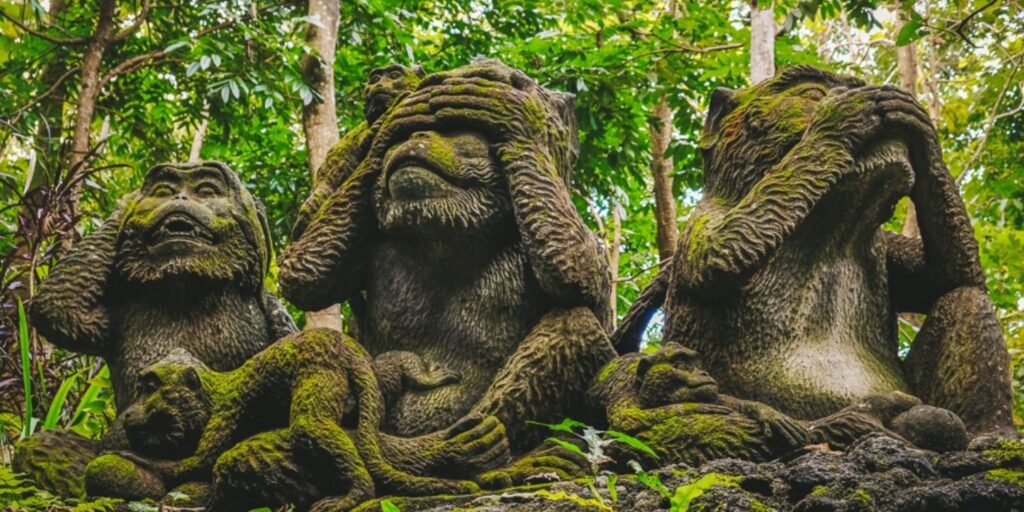
The Sacred Monkey Forest Sanctuary is one of the most visited Bali attractions in Ubud. Home to over 1,000 long-tailed macaques, this lush conservation area is also a sacred temple complex.
Moss-covered statues, towering banyan trees, and ancient shrines create a mystical atmosphere. But beyond wildlife encounters, this site plays an important role in local religious life. Ceremonies and temple rituals still take place here. Many travelers explore this site as part of a guided Ubud Highlights Private Day Tour, which conveniently combines Monkey Forest with nearby temples and rice terraces, making route planning easier for first-time visitors.
Best Time to Visit
- Early morning (8:30–10:00 AM) to avoid crowds
- Dry season (April–October) for easier walking
Rules & Restrictions
- Do NOT feed the monkeys
- Avoid direct eye contact
- Secure sunglasses, phones, and loose items
- Do not enter temple areas unless properly dressed
Travel Tip
Wear crossbody bags and avoid carrying plastic items. Monkeys are curious and surprisingly quick.
This attraction beautifully demonstrates how nature and spirituality coexist in Bali.
Recommeded Read: The Warm Side of Winter: Coastal Escapes to Dream | Travel Rethink Ways
2. Tegalalang Rice Terrace
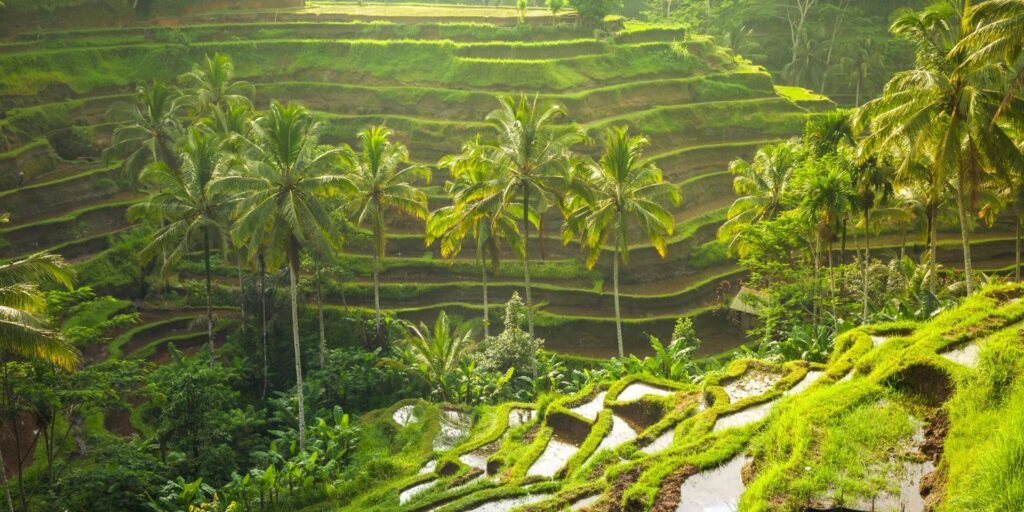
Tegalalang Rice Terrace is one of the most photographed Bali attractions. Its layered green fields follow the ancient Subak irrigation system, a UNESCO-recognized agricultural tradition that reflects Bali’s deep spiritual relationship with nature.Visitors can walk through narrow pathways between terraces and interact with local farmers. Those interested in capturing iconic Bali landscapes often include Tegalalang in a curated Bali Instagram Tour with a local photographer, especially during sunrise when lighting is at its best.
Best Time to Visit
- Sunrise (6:00–8:00 AM) for soft light and fewer tourists
- Avoid midday heat
Rules & Restrictions
- Small entrance donation required
- Respect private farming areas
- Avoid stepping on planted rice
Travel Tip
Wear non-slip shoes. After rain, paths become muddy and slippery
3. Campuhan Ridge Walk
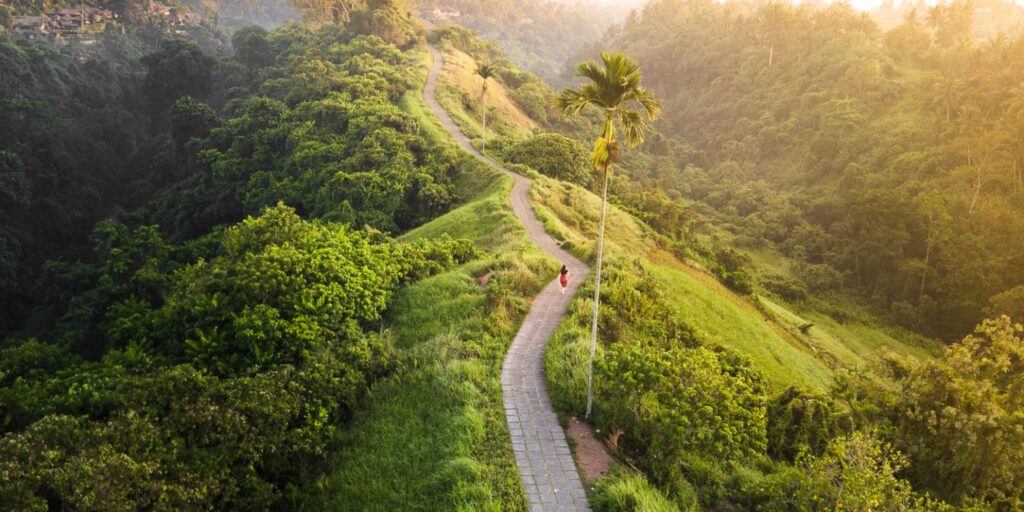
If you’re seeking tranquility, Campuhan Ridge Walk is a peaceful Bali attraction ideal for nature lovers. The paved trail stretches across rolling hills with wide valley views and open sky landscapes.
Early mornings provide cooler temperatures and golden light, making it ideal for photography or meditation walks. Unlike temple complexes, this Bali attraction is purely natural and tranquil.
It’s free to enter and offers a refreshing break from Ubud’s busy center.
Best Time to Visit
- Sunrise for golden lighting
- Late afternoon before sunset
Rules & Restrictions
- No official entry fee
- Stay on designated paths
- Bring water (limited vendors along the trail)
Travel Tip
This trail has minimal shade. Wear sunscreen and a hat if visiting after 9 AM.
Recommeded Read: The Warm Side of Winter: Coastal Escapes to Dream | Travel Rethink Ways
4. Tegenungan Waterfall
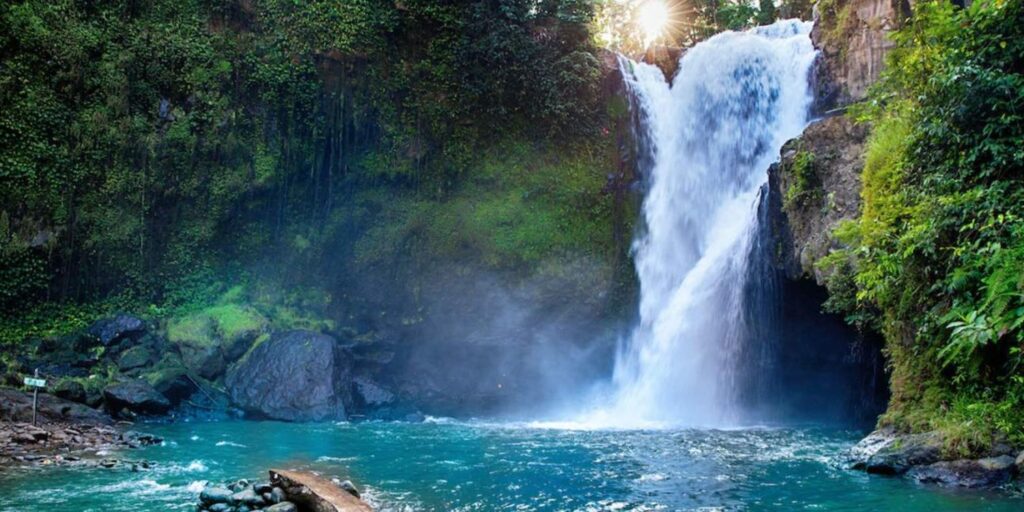
Tegenungan Waterfall is one of the most accessible waterfall Bali attractions near Ubud. Unlike northern waterfalls that require long jungle treks, this one is easy to reach and well developed.
The powerful cascade drops into a wide swimming pool surrounded by lush greenery. Since it’s located along popular sightseeing routes, visitors often include it in a Bali Full-Day Customized Private Tour, which allows flexible timing depending on waterfall conditions and crowd levels.
Best Time to Visit
- Morning before 10 AM
- Rainy season (November–March) for stronger flow
Rules & Restrictions
- Entrance fee required
- Be cautious during heavy rain
- Swimming not advised during extreme water flow
Travel Tip
Expect many stairs. Comfortable footwear is essential.
5. Kanto Lampo Waterfall
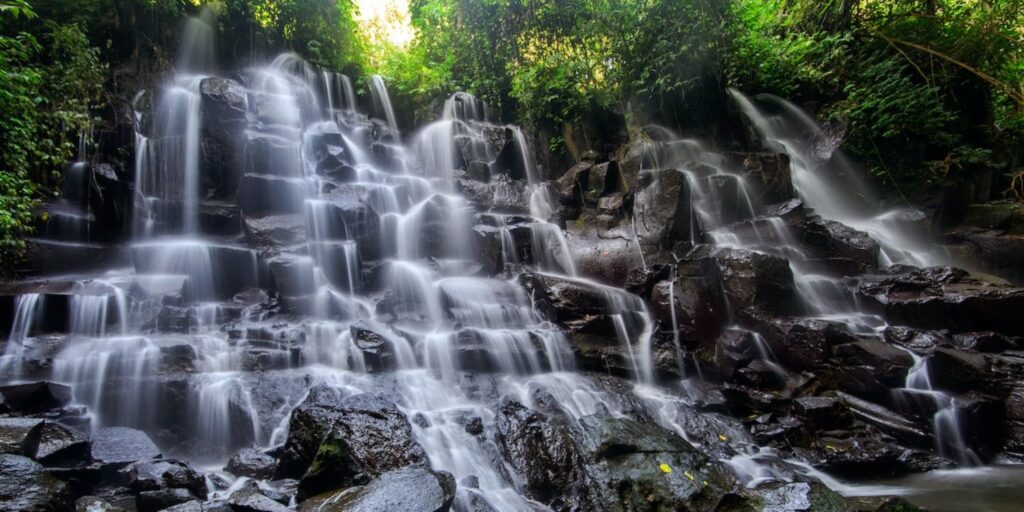
Kanto Lampo is famous for its stepped rock formation where water gently flows over volcanic stones, creating a curtain-like effect. It’s one of the most Instagram-worthy Bali attractions for photography lovers.
The waterfall is smaller than Tegenungan but more visually symmetrical.
Best Time to Visit
- Early morning (before tour groups arrive)
- Dry season for clearer water
Rules & Restrictions
- Short staircase descent required
- Water can be slippery — hold handrail
- Respect queue systems for photography
Travel Tip
Bring waterproof footwear. Rocks are smooth and extremely slippery.
6. Tirta Empul Temple
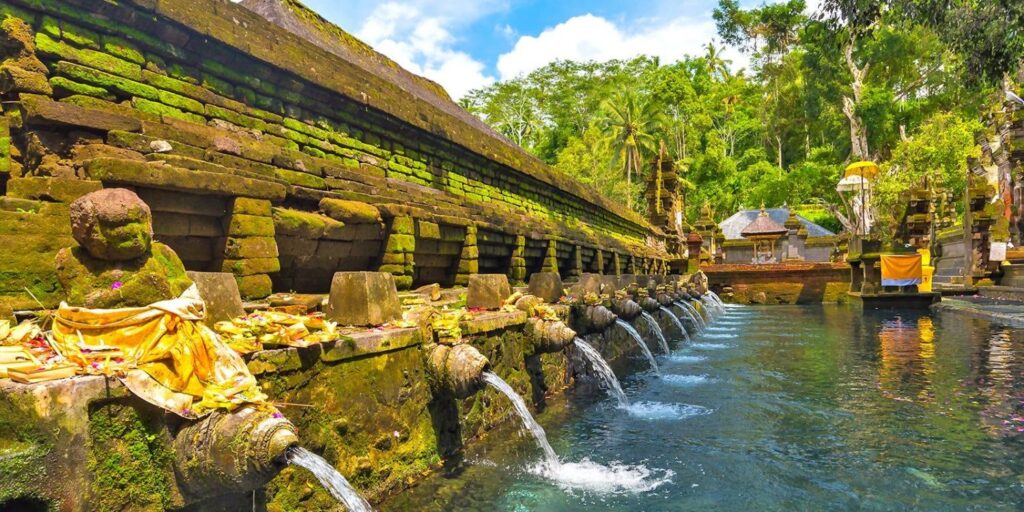
Tirta Empul Temple is one of the most spiritually significant Bali attractions in Central Bali. Built around a sacred spring that dates back to the 10th century, this temple is famous for its purification ritual. Locals and visitors enter holy bathing pools to cleanse the body and spirit under flowing water fountains. Visitors participating in purification rituals often include this temple as part of a guided Ubud Temples and Nature Private Tour, which ensures correct ritual sequence guidance and proper cultural understanding.
The temple complex includes courtyards, shrines, and ceremonial spaces that remain actively used by the Balinese Hindu community. Visiting Tirta Empul is not just sightseeing, it is a cultural and spiritual experience.
Best Time to Visit
- Early morning (8:00–9:30 AM) to avoid tour groups
- Weekdays are less crowded than weekends
- Dry season (April–October) for more comfortable conditions
Rules and Restrictions
- Sarong and sash are mandatory (available for rent on-site)
- Women during menstruation are not allowed to enter temple grounds
- Follow the correct purification fountain sequence
- Do not disturb worshippers during prayer
Entry Information
- Entrance fee required
- Additional small fee for locker rental if participating in ritual
Travel Tip
If you plan to participate in the purification ritual, bring a change of clothes and a towel. Respectful behavior is essential, as this is an active place of worship.
7. Goa Gajah (Elephant Cave)
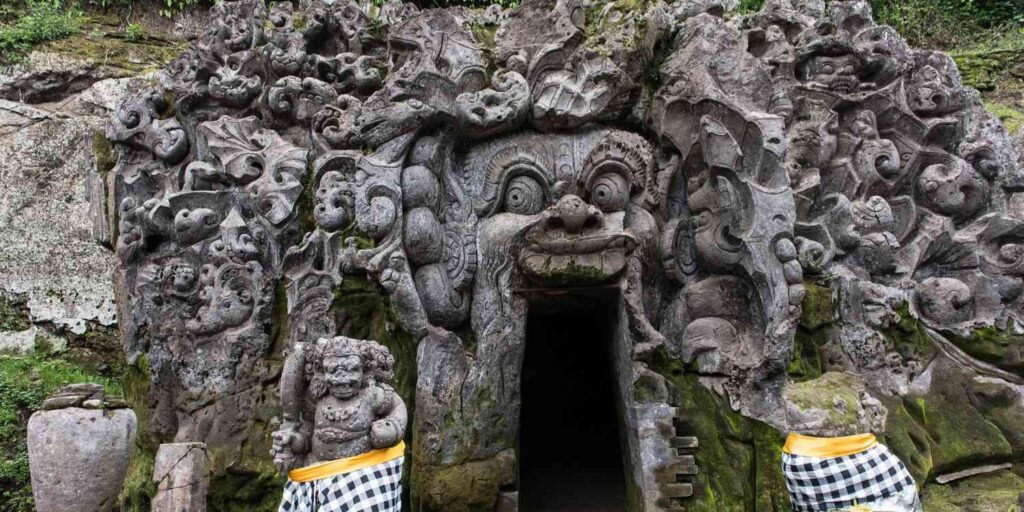
Goa Gajah, also known as the Elephant Cave, is an archaeological Bali attraction dating back to the 9th century. The cave entrance is carved with intricate stone figures and mythological faces designed to ward off evil spirits.
Inside, you’ll find meditation chambers once used by Hindu and Buddhist monks. Outside the cave, ancient bathing pools and fountains reflect the island’s religious diversity and historical depth.Since it is located close to Tirta Empul and Ubud’s cultural core, many travelers explore it within a structured Ubud cultural heritage day tour, making temple visits more efficient and culturally guided. This site offers insight into Bali’s early spiritual development.
Best Time to Visit
- Morning before 10:00 AM
- Dry season for easier exploration of surrounding gardens
Rules and Restrictions
- Sarong required to enter temple grounds
- Avoid touching ancient carvings
- Climbing on structures is prohibited
Entry Information
- Modest entrance fee
- Parking fee may apply
Travel Tip
Combine Goa Gajah with nearby Ubud attractions to maximize time efficiency. Allocate at least 45–60 minutes for exploration.
Recommeded Read: Greece in Autumn: Where Ancient Beauty Meets Golden Light | Travel Rethink Ways
8. Ubud Palace
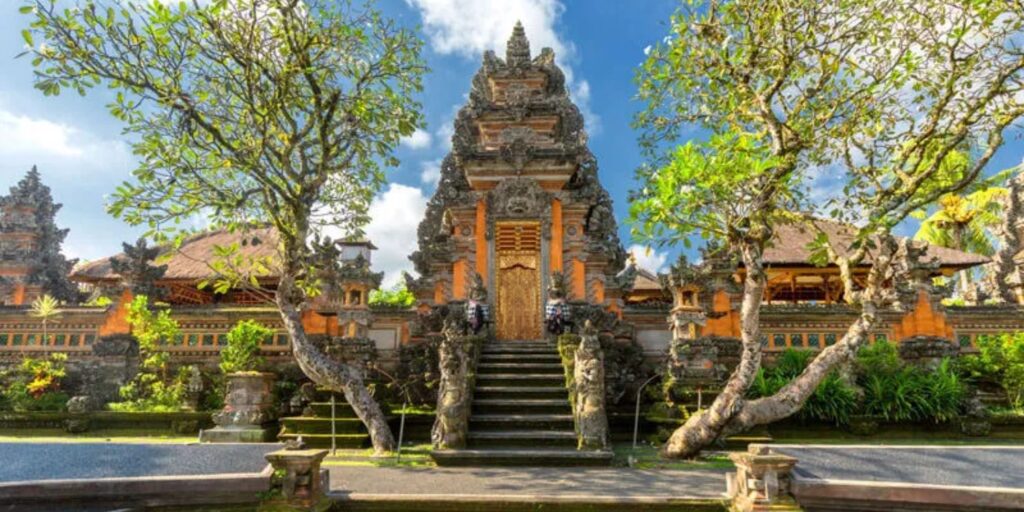
Located in the heart of Ubud, Ubud Palace remains the official residence of the local royal family. It is one of the most accessible cultural Bali attractions, offering a glimpse into traditional Balinese royal architecture.
Intricately carved stone gates, courtyards, and ceremonial pavilions highlight centuries of craftsmanship. In the evenings, the palace hosts traditional Balinese dance performances that bring ancient legends to life.
Best Time to Visit
- Late afternoon for architecture photography
- Evening (around 7:30 PM) for dance performances
Rules and Restrictions
- Modest dress recommended
- Respect restricted residential areas
- No drone photography allowed
Entry Information
- Free entry during daytime
- Ticket required for evening dance shows
Travel Tip
Arrive at least 30 minutes before evening performances to secure good seating. Tickets are usually available at the entrance.
9. Saraswati Temple
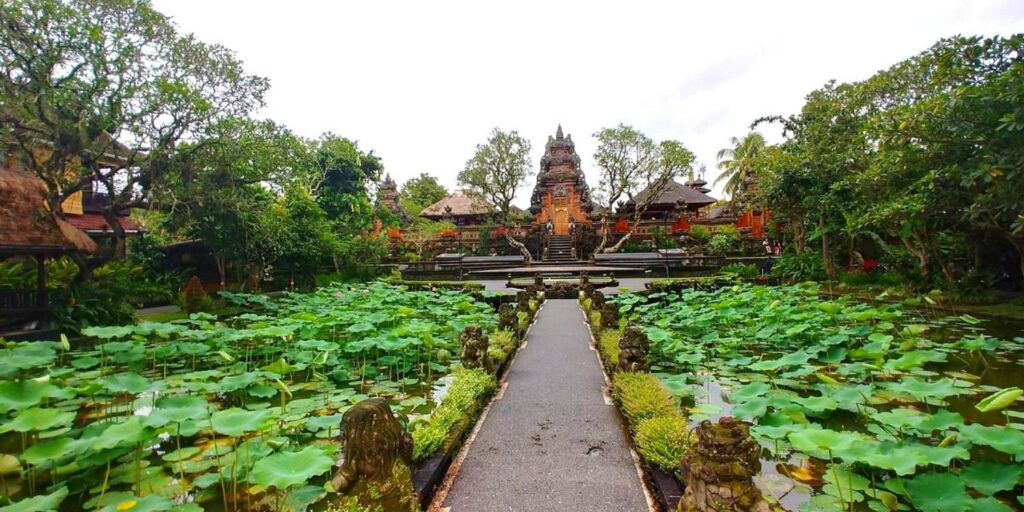
Saraswati Temple is dedicated to Dewi Saraswati, the goddess of knowledge and arts. This elegant Bali attraction is known for its stunning lotus pond and symmetrical stone carvings.
The temple’s walkway lined with pink lotus flowers creates one of the most picturesque scenes in Ubud. Although smaller than other temples, its refined design makes it memorable.
Best Time to Visit
- Early morning for fewer crowds
- Late afternoon for softer lighting
Rules and Restrictions
- Sarong required for inner temple access
- Photography allowed in outer courtyard
- Maintain quiet behavior
Entry Information
- Donation-based entry
- Special events may limit access
Travel Tip
Visit the nearby Ubud Art Market afterward for local crafts and souvenirs, making it a convenient cultural stop.
10. Sekumpul Waterfall
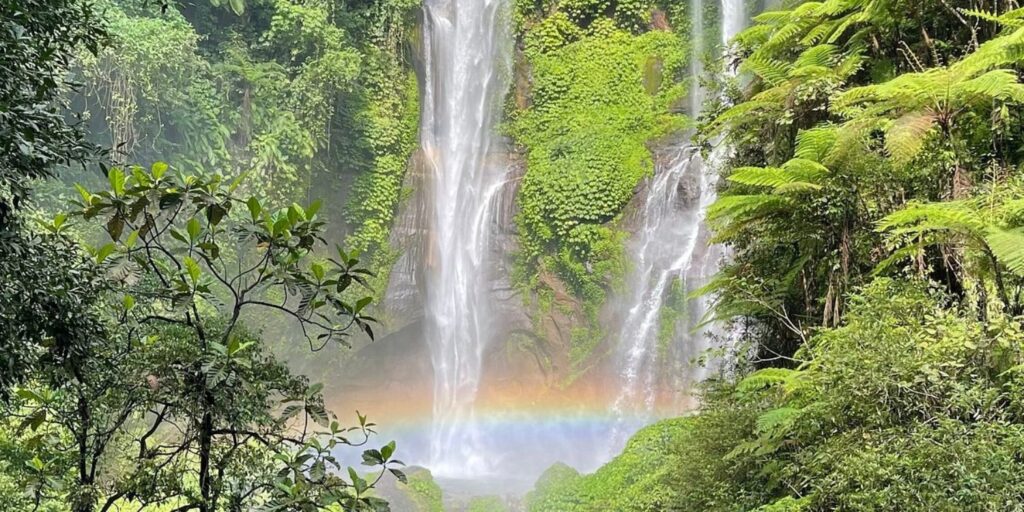
Often considered the most spectacular waterfall in Bali, Sekumpul Waterfall is actually a cluster of multiple cascades surrounded by lush jungle cliffs in North Bali. This Bali attraction is less commercialized and requires a moderate trek through village paths, river crossings, and steep stairs.Because of its remote location in North Bali, many visitors join organized North Bali waterfall tours, which include transport, local guidance, and safe trekking assistance through steep terrain.
Best Time to Visit
- Morning for better lighting and cooler temperatures
- Dry season (April–October) for safer trekking conditions
Rules and Restrictions
- Local guide sometimes required depending on access route
- Wear proper hiking shoes
- Swimming caution advised during rainy season
Entry Information
- Entrance fee required
- Guide fee may apply
Travel Tip
Prepare for a physically demanding walk. Bring water, wear sturdy footwear, and allow at least 2–3 hours for the full experience.
Kintamani & East Bali – Volcanoes, Sacred Peaks, and Royal Water Palaces
East Bali offers dramatic landscapes shaped by volcanic activity and royal history. Compared to South Bali, this region feels quieter and more authentic. Mountains dominate the skyline, ancient temples sit on sacred slopes, and elegant water palaces reflect centuries of Balinese heritage.
11. Mount Batur
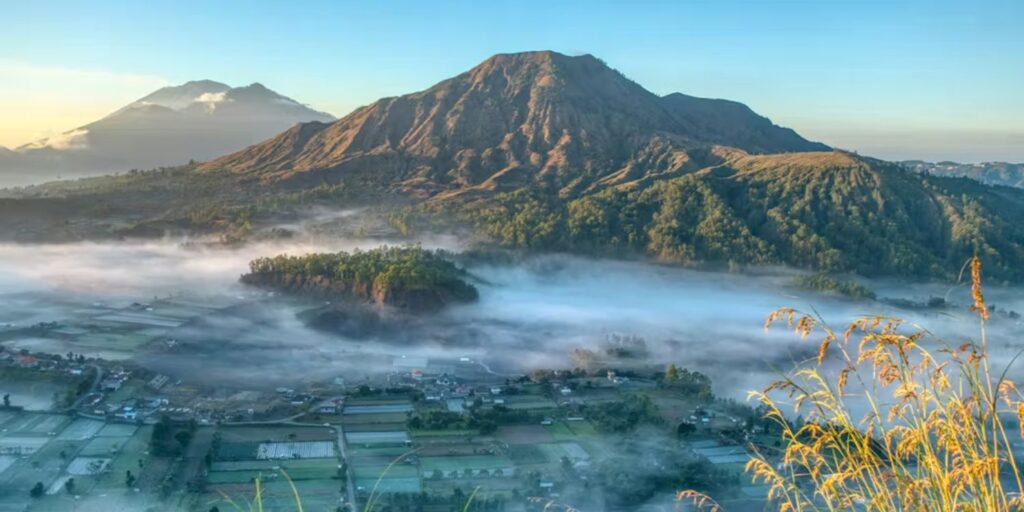
Mount Batur is one of the most famous adventure-based Bali attractions. This active volcano stands at 1,717 meters above sea level and is best known for its sunrise trekking experience.
Most hikes begin around 2:00–3:00 AM, allowing hikers to reach the summit before sunrise. As daylight breaks, panoramic views reveal Lake Batur, surrounding mountains, and distant Mount Agung. Most travelers book a Mount Batur Sunrise Trekking or Jeep Tour, which includes hotel pickup, licensed guide services, breakfast at the summit, and optional hot spring visits afterward.
Best Time to Visit
- Dry season (April–October) for safer hiking conditions
- Weekdays to avoid heavy trekking groups
Rules and Restrictions
- Hiring a licensed local guide is mandatory for summit trekking
- Follow designated hiking trails only
- Do not litter or remove volcanic rocks
Entry Information
- Trekking fee includes guide services
- Jeep sunrise tours available for non-hikers
Travel Tip
Wear layered clothing. Temperatures at the summit can be cold before sunrise, even during dry season.
Recommeded Read: Winter Wonders: Cultural Festivals to Experience in India | Travel Rethink Ways
12. Lake Batur (Danau Batur)
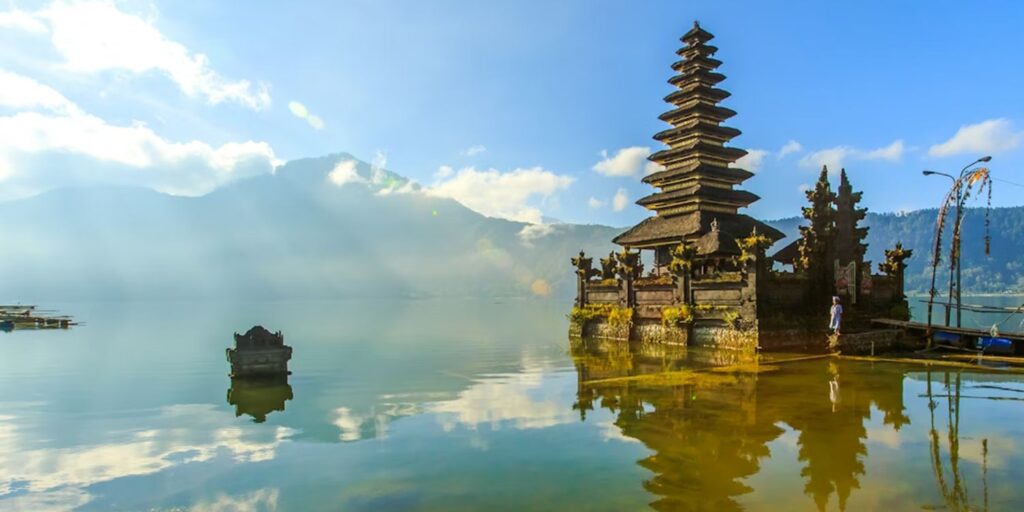
Lake Batur sits at the foot of Mount Batur and is the largest crater lake in Bali. Formed by volcanic activity thousands of years ago, the crescent-shaped lake creates a striking contrast against the rugged volcanic terrain.
This peaceful Bali attraction is ideal for relaxing after trekking. Nearby hot springs offer mineral-rich bathing experiences with lake views.
Best Time to Visit
- Morning for clearer views
- Dry season for outdoor activities
Rules and Restrictions
- Swimming only in designated areas
- Respect local fishing communities
- Avoid restricted geothermal zones
Entry Information
- Some viewpoints require small entrance or parking fees
- Hot springs charge separate admission
Travel Tip
Combine Mount Batur sunrise trek with a mid-morning hot spring visit for a balanced adventure and relaxation day.
13. Lempuyang Temple (Gates of Heaven)
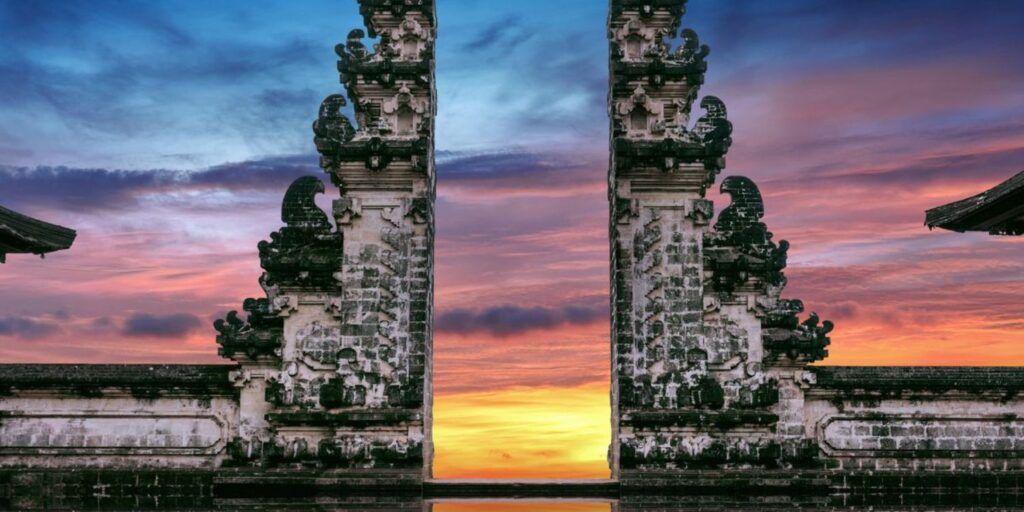
Lempuyang Temple is one of the most photographed Bali attractions worldwide. Known for its “Gates of Heaven,” the temple’s split gate frames Mount Agung in the distance.
However, Lempuyang is not just a photo spot. It is one of Bali’s oldest and most sacred temple complexes, consisting of multiple temples spread across a mountainside.Due to long wait times and remote location, many travelers join structured East Bali Instagram tours, which include early departure, shuttle coordination, and assistance with the famous gate photography sequence.
Best Time to Visit
- Very early morning (before 7:00 AM)
- Clear weather days for Mount Agung visibility
Rules and Restrictions
- Sarong and sash required
- Dress modestly (covered shoulders and knees)
- Women during menstruation are not permitted to enter
- Expect waiting times for photography
Entry Information
- Donation-based entry system
- Shuttle service required to reach upper temple levels
Travel Tip
Prepare for long queues for the famous gate photo. The iconic reflection effect is created using a mirror by staff photographers, not natural water.
14. Tirta Gangga Water Palace
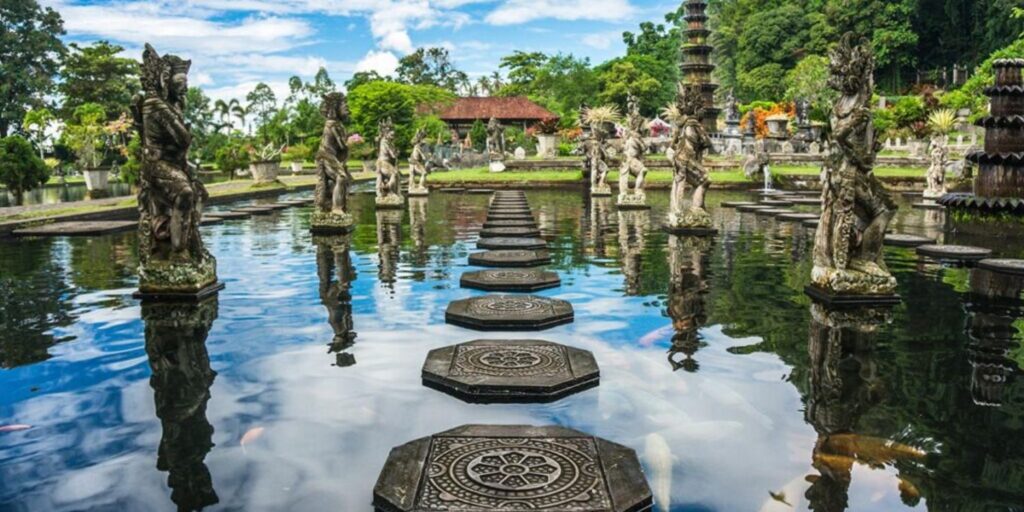
Tirta Gangga is a former royal water palace built in 1946 by the Karangasem royal family. This elegant Bali attraction features koi ponds, stepping stones, fountains, and symmetrical gardens.
Visitors can walk across stone paths floating above water filled with colorful fish. The palace blends Balinese architecture with European influences, reflecting Bali’s colonial-era interactions.
Best Time to Visit
- Early morning for peaceful exploration
- Dry season for clearer pond reflections
Rules and Restrictions
- Swimming allowed only in designated pools
- Do not step outside marked stone pathways
- Feeding fish may require purchased food from vendors
Entry Information
- Entrance fee required
- Locker rental available for swimming areas
Travel Tip
Bring small cash if you want to buy fish food. The koi fish gather dramatically when fed, creating beautiful photo opportunities.
15. Ujung Water Palace
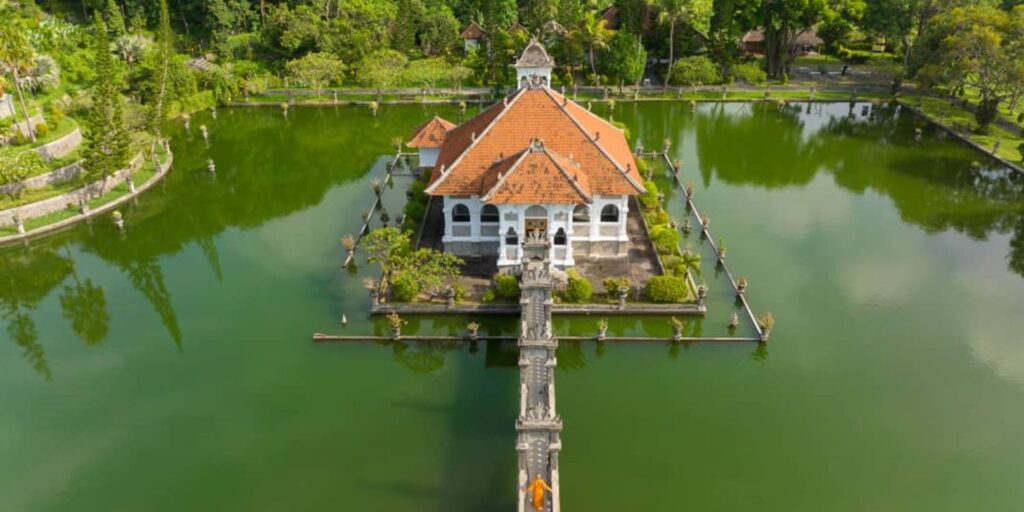
Ujung Water Palace, also known as Taman Soekasada Ujung, is another royal heritage Bali attraction located near the coast of East Bali. Built in the early 20th century, this palace combines Balinese, Dutch, and Chinese architectural influences.
The complex features large reflecting pools, arched bridges, and elevated viewpoints overlooking the ocean.
Unlike Tirta Gangga, Ujung is more spacious and less crowded, offering a calm atmosphere.
Best Time to Visit
- Morning for cooler temperatures
- Late afternoon for soft coastal lighting
Rules and Restrictions
- Avoid climbing on decorative structures
- Drone usage may require special permission
- Respect restoration areas
Entry Information
- Entrance fee required
- Parking fee may apply
Travel Tip
Climb to the highest pavilion viewpoint for panoramic views of the coastline and Mount Agung in the distance.
South Bali – Sacred Temples, Cliff Views, and Iconic Beaches
South Bali is where dramatic limestone cliffs meet the Indian Ocean. This region blends cultural landmarks with some of the island’s most famous beaches. It is also one of the most accessible areas for first-time visitors exploring major Bali attractions.
16. Besakih Temple (Mother Temple of Bali)
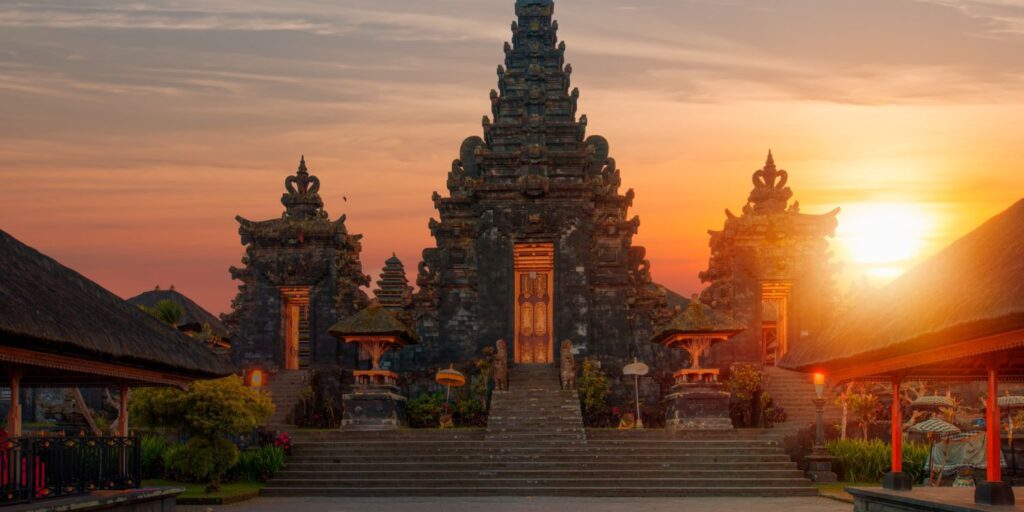
Besakih Temple is the largest and most important Hindu temple complex on the island. Located on the slopes of Mount Agung, this sacred site consists of over 80 individual temples spread across terraced levels.
Often referred to as Bali’s “Mother Temple,” Besakih is the spiritual center for Balinese Hindus. Major religious ceremonies are held here throughout the year, attracting thousands of worshippers dressed in traditional attire. Due to its size and ceremonial importance, visitors often hire licensed local guides or join structured Besakih Temple day tours to understand the complex’s spiritual hierarchy and avoid unofficial guidance.
Best Time to Visit
- Morning before 10:00 AM for clearer mountain views
- Dry season (April–October) for safer road conditions
- Avoid major religious festival days unless attending respectfully
Rules and Restrictions
- Sarong and sash required
- Proper temple dress mandatory (covered shoulders and knees)
- Women during menstruation are not permitted to enter
- Visitors must respect active prayer areas
Entry Information
- Entrance fee required
- Licensed local guides available at entrance
Travel Tip
Hire an official guide if you want deeper insight into the temple’s history and structure. Politely decline unofficial guides if not needed.
17. Uluwatu Temple
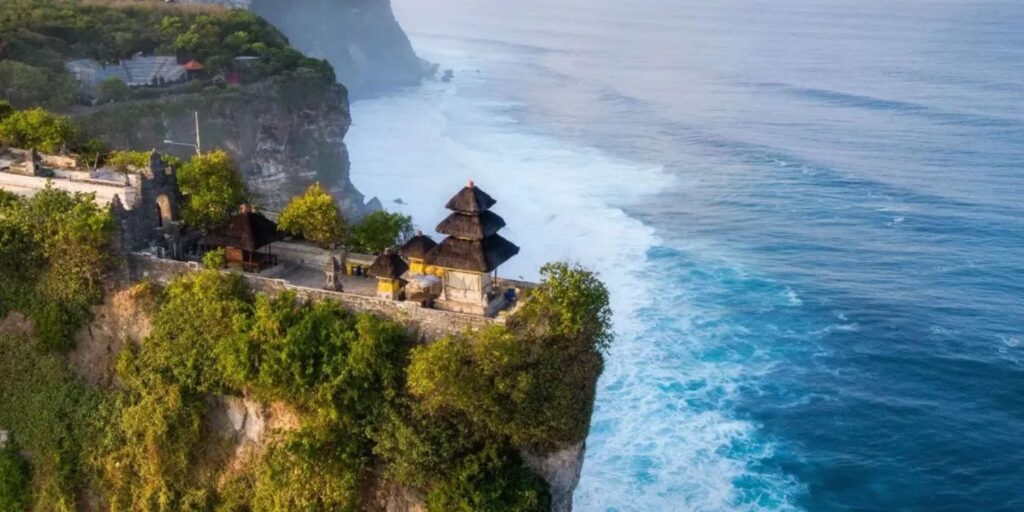
Uluwatu Temple sits dramatically on a 70-meter cliff overlooking the Indian Ocean. It is one of the most iconic coastal Bali attractions, known for both its spiritual importance and stunning sunset views.
Built in the 11th century, the temple is dedicated to sea spirits. In the evening, the famous Kecak Fire Dance performance takes place against a glowing sunset backdrop, creating one of Bali’s most memorable cultural experiences. Many travelers book the Uluwatu Sunset and Kecak Fire Dance Experience, which includes entrance tickets and guaranteed performance seating during peak sunset hours.
Best Time to Visit
- Late afternoon (4:30–6:30 PM) for sunset
- Arrive early if attending Kecak Dance
Rules and Restrictions
- Sarong required
- Beware of monkeys (secure belongings)
- Do not approach cliff edges
- Photography allowed but no drone without permit
Entry Information
- Entrance ticket required
- Separate ticket for Kecak Dance performance
Travel Tip
Position yourself on the western side of the temple complex for the best sunset angles.
18. Melasti Beach
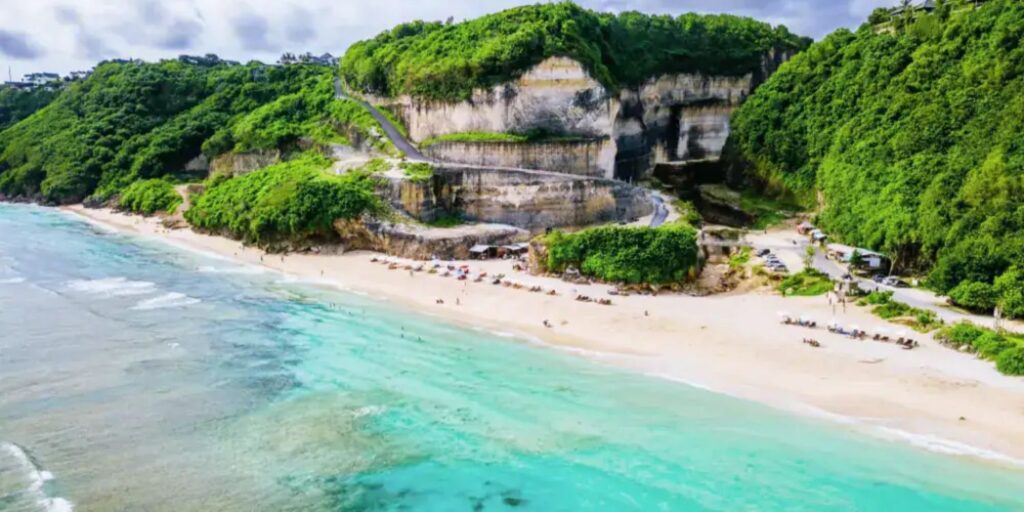
Melasti Beach is known for its towering limestone cliffs and turquoise waters. Unlike older beach access roads in Bali, Melasti features a dramatic winding road carved through white cliffs, making the approach itself a visual highlight.
The beach is clean, well maintained, and less crowded than other southern beaches.
Best Time to Visit
- Morning for calmer waters
- Dry season for clearer water conditions
Rules and Restrictions
- Follow lifeguard instructions
- Avoid swimming during strong current warnings
- Respect local ceremonies occasionally held on the beach
Entry Information
- Entrance and parking fee required
Travel Tip
The elevated cliff viewpoints above the beach provide excellent photography opportunities before descending to the shore.
19. Padang Padang Beach
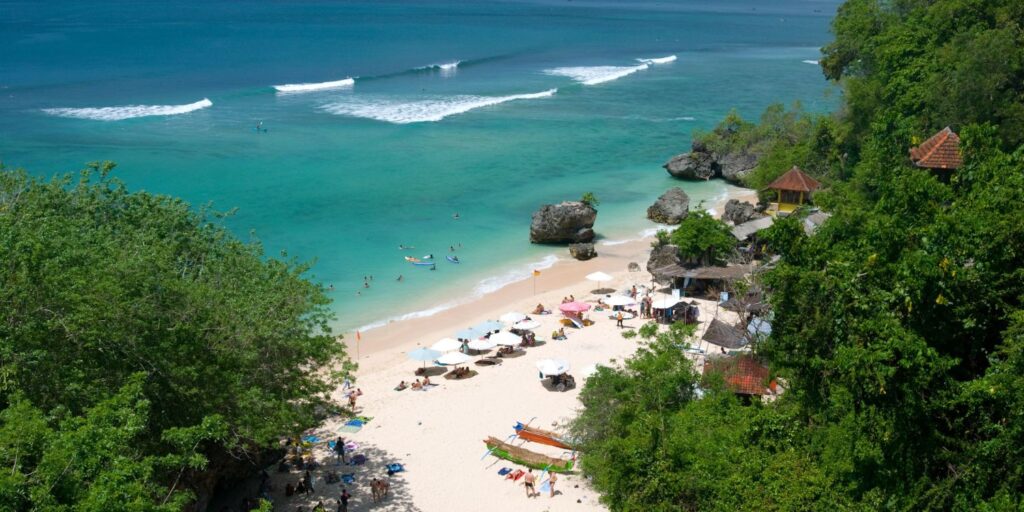
Padang Padang Beach is a small cove hidden between large rock formations. Access requires walking through a narrow rock passage and descending steep stairs.
This Bali attraction is popular among surfers due to its consistent waves. However, the beach area itself is also suitable for relaxing and swimming during calmer conditions. Those interested in surf culture sometimes book beginner Bali surfing lessons in South Bali, which provide equipment, instructors, and safe practice areas near this coastline.
Best Time to Visit
- Morning for fewer visitors
- Dry season for better surf and water clarity
Rules and Restrictions
- Entrance fee required
- Watch for strong currents
- Keep belongings secure
Entry Information
- Small entrance fee collected at stair access
Travel Tip
The staircase can be steep and crowded. Wear sturdy sandals and move carefully during peak hours.
20. Pandawa Beach
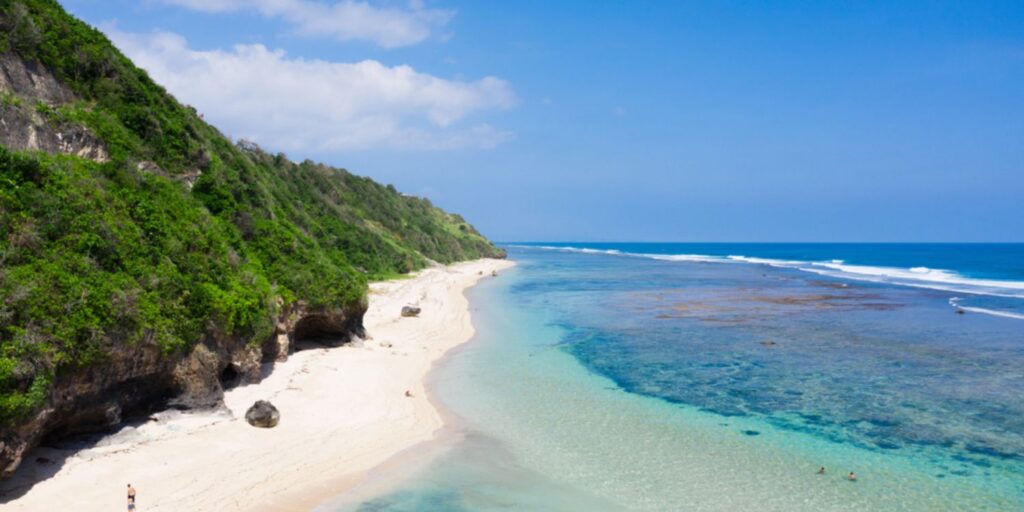
Pandawa Beach is a wide, sandy beach framed by limestone cliffs. Large carved statues of the Pandawa heroes from Hindu mythology line the access road, giving the beach a unique cultural touch.
Compared to more compact beaches like Padang Padang, Pandawa offers more open space, making it ideal for families and group travelers.
Best Time to Visit
- Morning or late afternoon
- Weekdays for fewer crowds
Rules and Restrictions
- Swimming only in designated safe zones
- Water sports available through licensed vendors
- No littering
Entry Information
- Entrance and parking fee required
Travel Tip
The elevated parking area provides a scenic viewpoint before walking down to the beach.
Coastal Sunsets and Highland Wonders
This section moves from romantic beachfront dining spots to iconic sea temples and cool mountain landscapes in North and West Bali. These destinations add variety to your Bali Attraction itinerary, balancing culture, nature, and relaxation.
21. Jimbaran Bay
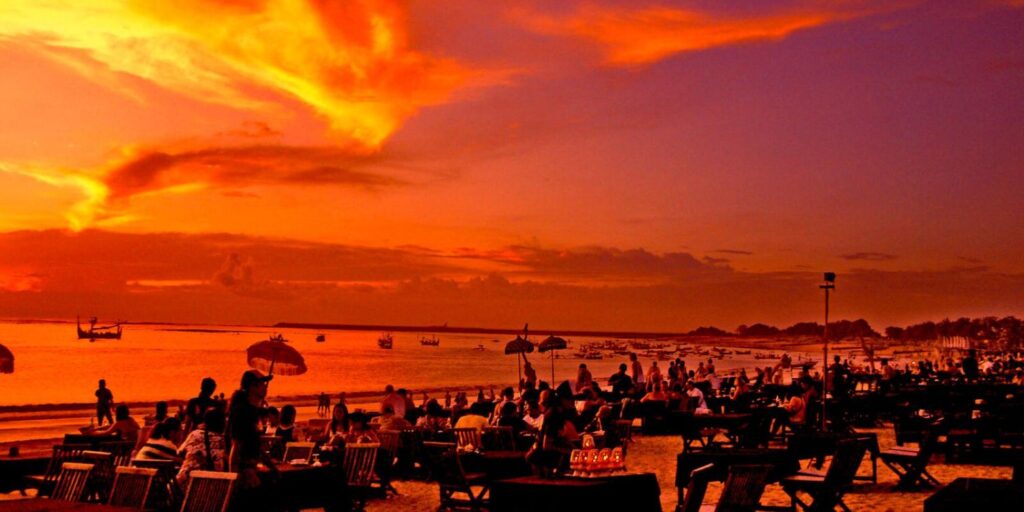
Jimbaran Bay is famous for its calm waters and beachfront seafood dining. Unlike surf-heavy beaches in Uluwatu, Jimbaran offers a more peaceful coastal setting, making it ideal for swimming and sunset strolls.
In the evening, beachfront restaurants set up tables directly on the sand. Freshly grilled seafood is served under candlelight as the sun sets over the Indian Ocean.
Some travelers enhance the experience with a Bali Sunset Dinner Cruise, offering coastal views from the water instead of from shore.
Best Time to Visit
- Late afternoon for sunset views
- Dry season for clearer skies
- Early evening (5:30–7:30 PM) for seafood dinners
Rules and Restrictions
- Swimming is safest during calm tide conditions
- Respect local fishing boats and equipment
- Reservations recommended for beachfront dining
Entry Information
- No entrance fee
- Dining prices vary by restaurant
Travel Tip
Ask for seafood to be weighed before cooking to avoid misunderstandings about pricing.
Explore also: Mughal Marvels: Timeless Wonders of India’s Glorious Past | Travel Rethink Ways
22. Nusa Dua Beach
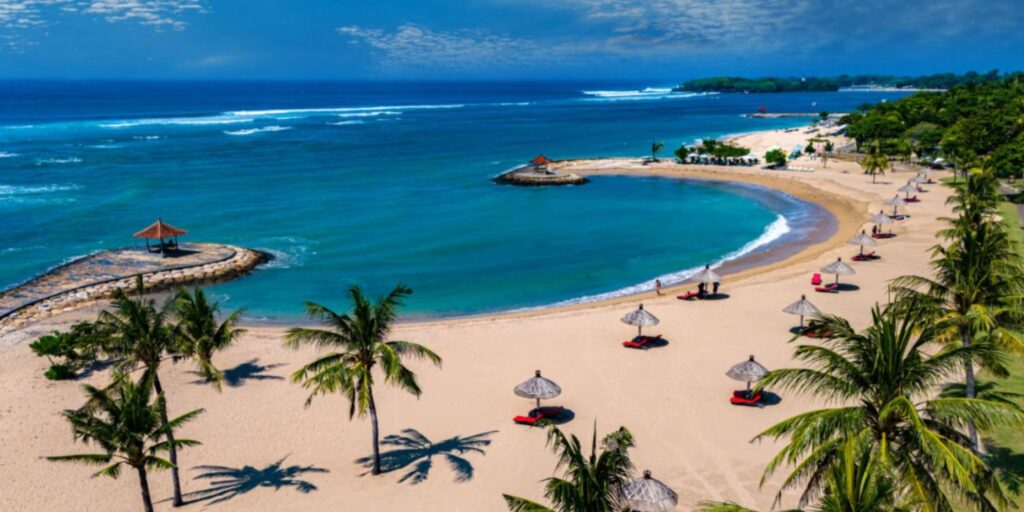
Nusa Dua Beach is known for its clean shoreline, calm waters, and well-maintained resort environment. This area is often considered one of the most family-friendly Bali attractions for beach relaxation.
The coral reef barrier offshore reduces wave strength, making swimming safer compared to other southern beaches.
Best Time to Visit
- Morning for low tide beach walks
- Dry season for optimal water clarity
Rules and Restrictions
- Some sections are private for resort guests
- Follow lifeguard safety guidelines
- Avoid stepping on coral areas
Entry Information
- Public access areas available
- Parking fee may apply
Travel Tip
Visit Geger Beach within Nusa Dua for a slightly quieter alternative.
23. Tanah Lot Temple
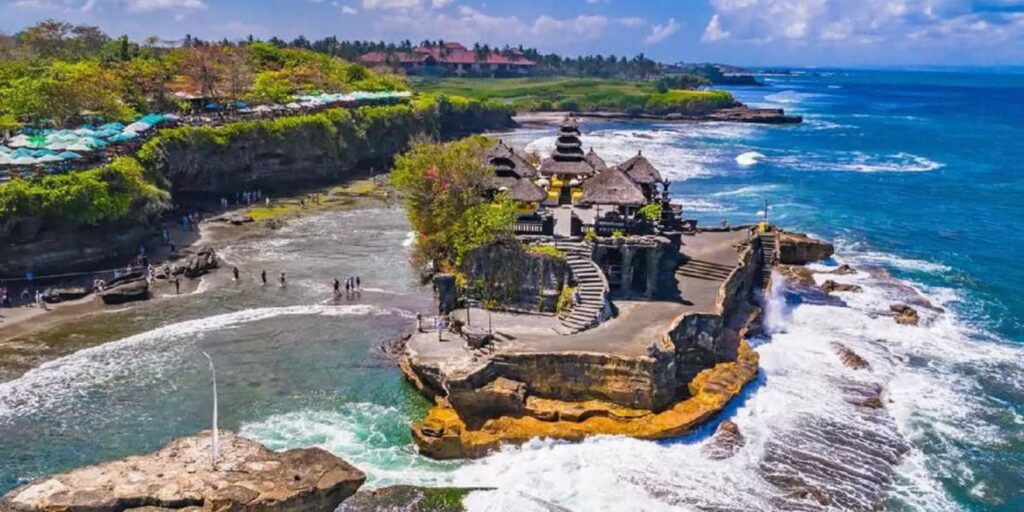
Tanah Lot Temple is one of the most photographed Bali attractions. Perched on a rock formation in the sea, the temple appears to float during high tide.
Built in the 16th century, Tanah Lot is dedicated to sea spirits and plays an important role in Balinese spiritual life. While non-worshippers cannot enter the inner temple, the surrounding coastal views are spectacular.
Best Time to Visit
- Sunset for dramatic ocean views
- Late afternoon (arrive before 5:00 PM to avoid peak crowds)
Rules and Restrictions
- Visitors cannot enter the main temple structure
- Respect prayer ceremonies
- Beware of slippery rocks during low tide
Entry Information
- Entrance fee required
- Large parking area available
Travel Tip
Explore nearby cliff viewpoints instead of staying directly in the main crowd area for better sunset angles.
24. Ulun Danu Beratan Temple
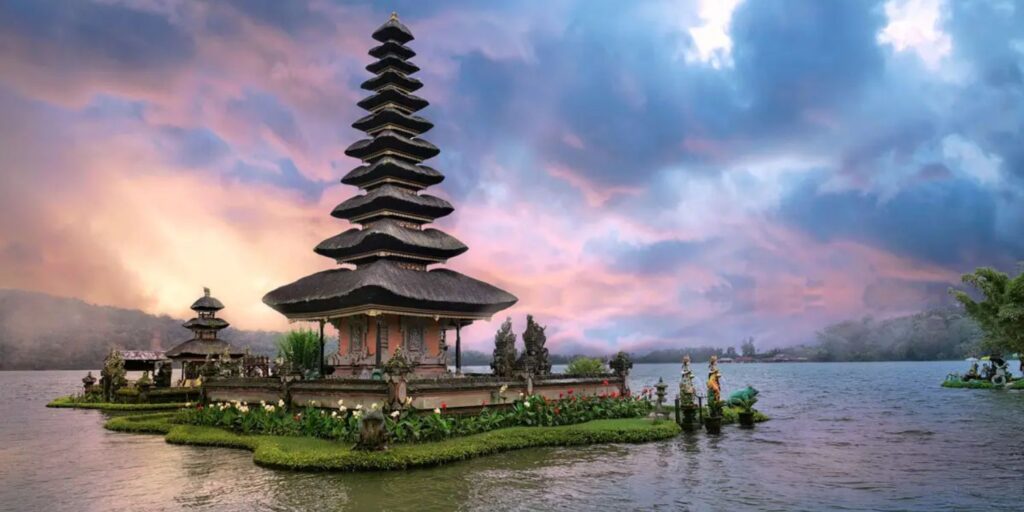
Located in the cool highlands of Bedugul, Ulun Danu Beratan Temple sits on the shores of Lake Beratan. When the water level rises, the temple appears to float, creating one of the most iconic Bali Attraction images.
Dedicated to Dewi Danu, the goddess of lakes and rivers, the temple plays a crucial role in Bali’s water irrigation system. Due to distance from Ubud and South Bali, many travelers include it within North Bali day tours, which also cover waterfalls and scenic viewpoints in Bedugul.
Best Time to Visit
- Early morning for misty lake views
- Weekdays for fewer visitors
- Dry season for clearer skies
Rules and Restrictions
- Sarong required for inner temple access
- Stay within designated pathways
- Drone use may require permission
Entry Information
- Entrance fee required
- Parking fee may apply
Travel Tip
Temperatures are cooler in Bedugul. Bring a light jacket, especially in the morning.
25. Banyumala Twin Waterfalls
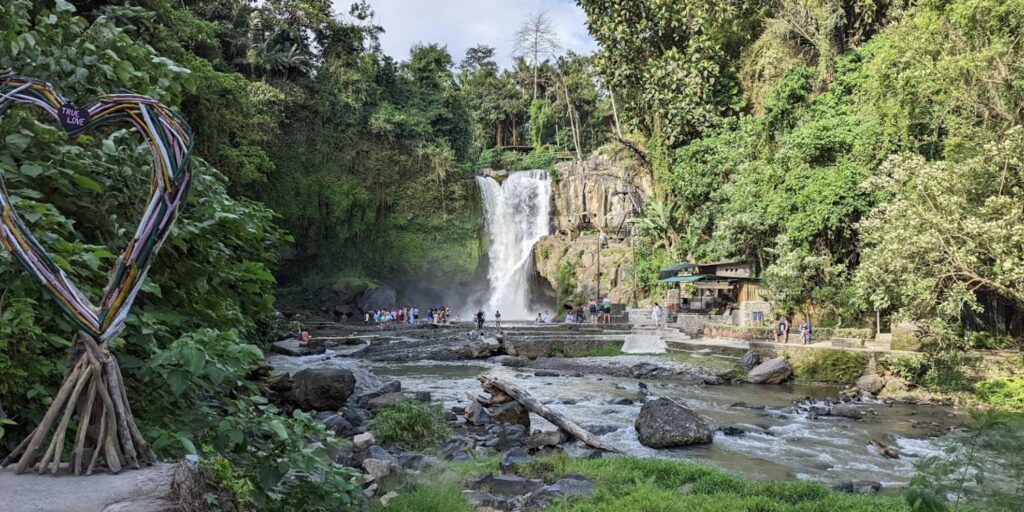
Hidden in the northern highlands, Banyumala Twin Waterfalls offer a peaceful escape from busier tourist areas. Unlike Tegenungan, this Bali attraction feels more natural and less commercialized.
Two parallel waterfalls flow into a calm, swimmable pool surrounded by dense jungle.Because of the longer travel time, visitors often join North Bali waterfall-focused tours, which include safe navigation along mountain roads.
Best Time to Visit
- Morning for soft lighting
- Dry season for safer trail conditions
Rules and Restrictions
- Moderate trek required
- Wear proper footwear
- Swimming at your own risk
Entry Information
- Entrance fee required
- Parking fee collected at top
Travel Tip
Allow extra time for the uphill return walk. Bring water and move carefully, especially after rainfall.
Nusa Islands & Northern Viewpoints – The Most Dramatic Bali Attraction Landscapes
Just offshore from mainland Bali lie the Nusa Islands, Nusa Penida, Nusa Lembongan, and Nusa Ceningan. These islands are known for rugged cliffs, turquoise waters, and dramatic coastal formations. Combined with northern highland viewpoints, this final section completes your full Bali Attraction journey.
26. Wanagiri Hidden Hills
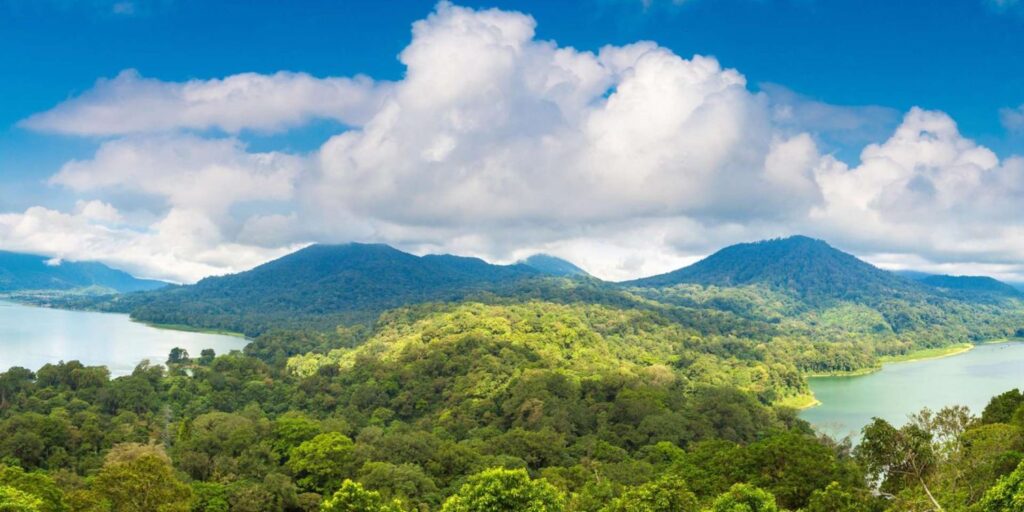
Wanagiri Hidden Hills is located in North Bali near the twin lakes of Buyan and Tamblingan. This viewpoint-based Bali attraction became popular for its scenic platforms overlooking crater lakes surrounded by forested hills.
You’ll find wooden decks, swings, and viewing nests built specifically for photography.
Best Time to Visit
- Early morning for clear lake views
- Dry season for better road conditions
- Before 9:00 AM to avoid tour buses
Rules and Restrictions
- Small photography platform fee required
- Follow safety instructions on viewing structures
- No leaning beyond safety barriers
Entry Information
- Entrance and photo spot fee charged per platform
Travel Tip
Clouds can quickly cover the lakes. Check weather forecasts before heading to this highland location.
27. Kelingking Beach (Nusa Penida)
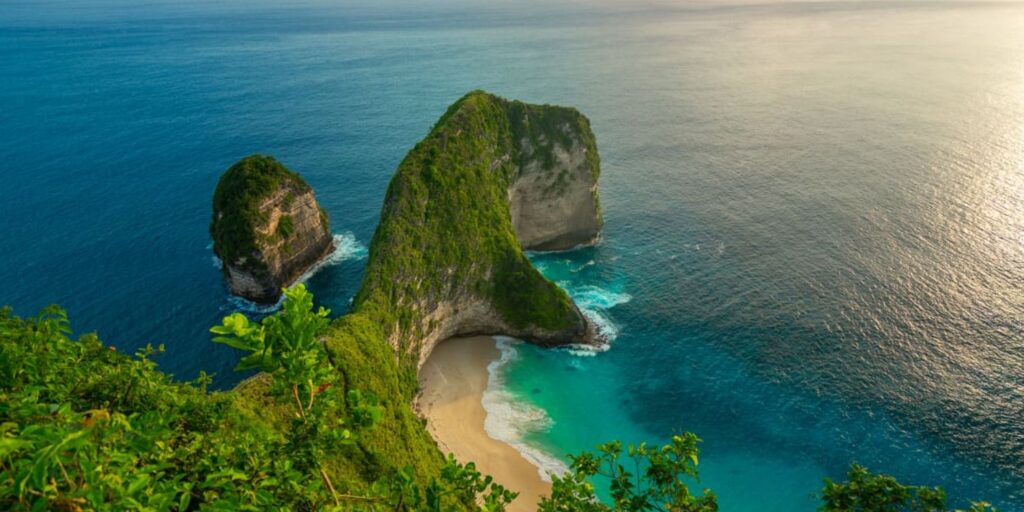
Kelingking Beach is arguably the most iconic Bali attraction outside the mainland. The cliff formation resembles a T-Rex shape, creating one of Indonesia’s most recognizable coastal landscapes.
From the cliff viewpoint, the turquoise water contrasts sharply with white sand below. A steep and challenging trail leads down to the beach itself.Most travelers reach it via organized Nusa Penida Full-Day Tours from Bali, which include fast boat transfers, island transport, and coordinated stops at major viewpoints.
Best Time to Visit
- Early morning (before 8:00 AM)
- Dry season for safer cliff hiking
- Weekdays for fewer visitors
Rules and Restrictions
- Stay behind safety barriers at viewpoints
- The descent to the beach is steep and risky
- Swimming not recommended due to strong currents
Entry Information
- Nusa Penida island entrance fee required
- Separate parking fees may apply
Travel Tip
The hike down is physically demanding and can take 30–45 minutes each way. Wear proper shoes and assess your fitness level before attempting it.
28. Diamond Beach (Nusa Penida)

Diamond Beach is known for its white limestone cliffs and crystal-clear water. Access is via a carved staircase along the cliff face, offering spectacular panoramic views during the descent.
This Bali attraction feels more secluded compared to mainland beaches, but waves can be powerful. It is usually included within East Nusa Penida day tours, which efficiently combine multiple cliff attractions in one itinerary.
Best Time to Visit
- Morning for softer lighting
- Dry season for safer stair access
Rules and Restrictions
- Hold onto railings during descent
- Swimming caution due to strong waves
- No climbing on unstable rock formations
Entry Information
- Nusa Penida entrance fee applies
- Parking fee required
Bring water and sun protection. Shade is limited on the beach.
29. Angel’s Billabong (Nusa Penida)
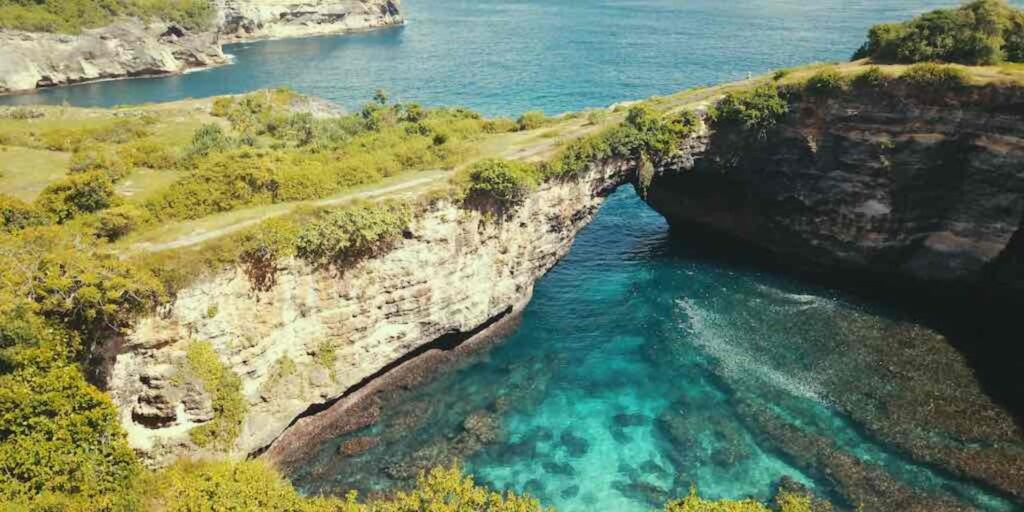
Angel’s Billabong is a natural infinity pool formed by ocean-carved rock formations. During low tide, the rock basin fills with clear water, creating a unique swimming spot.
However, this Bali attraction can be dangerous during high tide due to sudden large waves.
Best Time to Visit
- Only during low tide
- Dry season for clearer water visibility
Rules and Restrictions
- Strictly avoid visiting during high tide
- Follow local safety advice
- Do not stand near cliff edges
Entry Information
- Included within Nusa Penida access fee
- Parking fee may apply
Travel Tip
Always check tide schedules before visiting. Safety conditions can change quickly.
30. Nusa Lembongan
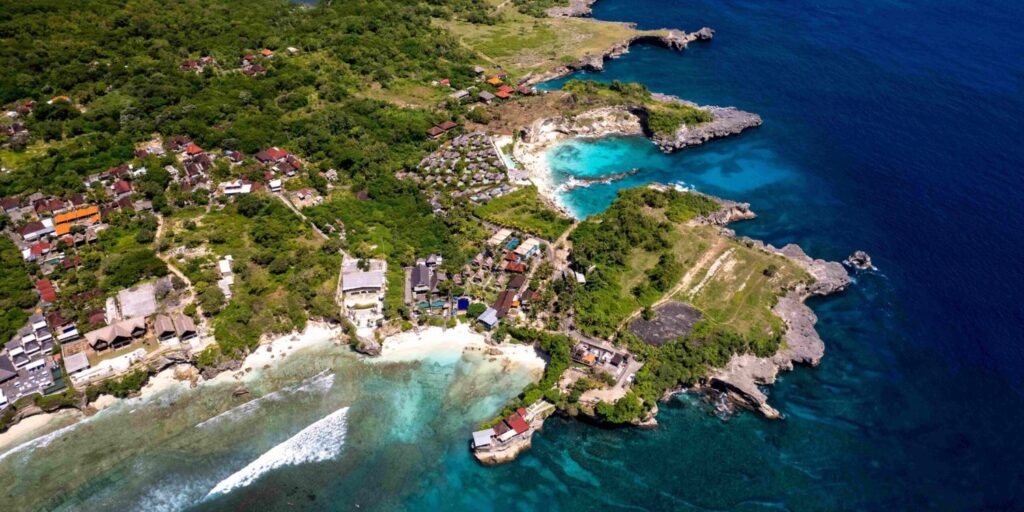
Nusa Lembongan offers a quieter island atmosphere compared to Nusa Penida. This Bali attraction is ideal for snorkeling, diving, and relaxed coastal exploration.The island features mangrove forests, calm beaches, and scenic viewpoints.
Travelers reach it via fast boat transfers from Sanur, often booking round-trip tickets in advance to secure preferred departure times during high season.
Best Time to Visit
- Dry season for clear snorkeling conditions
- Morning for water activities
Rules and Restrictions
- Use licensed boat operators
- Follow marine conservation guidelines
- Avoid stepping on coral reefs
Entry Information
- No major island entrance fee
- Boat transfer cost required
Travel Tip
Spend at least one night on the island to experience sunset and early morning calm without day-trip crowds.
Unique Stays of Bali | Where Accommodation Becomes Part of the Experience
One of the most special parts of exploring a Bali attraction is where you stay. In Bali, accommodation is not just about comfort, it becomes part of the journey.
Travelers can choose from:
- Jungle villas in Ubud overlooking rice fields
- Cliffside resorts in Uluwatu with ocean sunsets
- Eco-friendly bamboo houses surrounded by nature
- Beachfront bungalows in Nusa Lembongan
Many properties feature private pools, open-air bathrooms, and traditional Balinese architecture. Staying in these unique accommodations enhances your overall Bali experience, blending relaxation with cultural immersion.
Best time to book: Reserve early during dry season (May–September), as premium stays fill quickly.
Cultural & Adventure Activities in Bali
Beyond visiting each Bali attraction, the island offers meaningful cultural and exciting adventure experiences.
Cultural Experiences
- Traditional Kecak and Legong dance performances
- Balinese cooking classes with market visits
- Temple ceremony observation (with proper attire)
These activities provide deeper insight into Balinese traditions and daily life.
Adventure Activities
- Sunrise trekking at Mount Batur
- White water rafting on the Ayung River
- Surfing in Uluwatu
- Snorkeling and diving in Nusa Penida
For safety, always use licensed operators and follow local guidelines.
Frequently Asked Questions About Bali Attraction
1. What is the best time to visit Bali attractions?
The best time to visit Bali attraction is during the dry season from April to October. During this period, you can expect sunny days, lower humidity, and safer conditions for hiking, beach activities, and waterfall visits. July and August are peak months, so booking early is recommended.
2. How many days are enough to see the main Bali attractions?
To explore the top Bali attractions comfortably, 7–10 days is ideal. This allows you to divide your itinerary by region:
- Ubud & Central Bali (2–3 days)
- East Bali & Mount Batur (1–2 days)
- South Bali beaches & temples (2–3 days)
- Nusa Islands (1–2 days)
Shorter trips require prioritizing by interest.
3. Are Bali attractions safe for families?
Yes, most Bali attractions are family-friendly. Beaches like Nusa Dua and Pandawa are safer for children due to calmer waters. However, cliff viewpoints such as Kelingking Beach and waterfall treks require extra caution. Always follow safety guidelines and local advice.
4. Do I need to follow a dress code at temples?
Yes. When visiting temple Bali attractions, visitors must:
- Wear a sarong and sash
- Cover shoulders and knees
- Respect prayer areas
Women during menstruation are traditionally not allowed to enter temple grounds.
5. Is it better to rent a scooter or hire a driver?
For short distances, scooters are convenient if you are experienced and licensed. However, for full-day Bali attraction exploration across regions, hiring a private driver is more comfortable and efficient. It also reduces stress caused by traffic and navigation.
6. Are entrance fees expensive at Bali attractions?
Most Bali attractions have affordable entrance fees ranging from small donations to moderate ticket prices. Additional costs may include:
- Parking fees
- Guide services
- Photography platform access
- Boat transfers to Nusa Islands
Overall, Bali remains budget-friendly compared to many global destinations.
7. Which Bali attraction is best for first-time visitors?
First-time visitors often prioritize:
- Uluwatu Temple for sunset views
- Tegalalang Rice Terrace for iconic landscapes
- Mount Batur for adventure
- Tanah Lot for coastal temple scenery
The best Bali attraction ultimately depends on whether you prefer culture, nature, or adventure.
Planning the Perfect Bali Attraction Journey
Exploring each Bali attraction reveals a different side of the island from sacred mountain temples and royal water palaces to dramatic cliffs, jungle waterfalls, and serene island escapes.
What makes Bali truly special is its balance. You can start your morning trekking a volcano, spend the afternoon swimming at a turquoise beach, and end the day watching a traditional dance performance at sunset.
To make the most of your trip:
- Plan by region to reduce travel time
- Start early to avoid crowds
- Respect local customs and temple etiquette
- Prioritize safety at cliffs and during ocean activities
- Book accommodations and tours in advance during peak season
Bali is not just a place to visit, it is a place to experience. With thoughtful planning and cultural respect, your Bali journey can become one of the most memorable travel experiences of your life.
Curious About Our Latest Travel Deals?