

The Mughal Empire left behind not just tales of conquest and grandeur, but also a living legacy of art, architecture, and refinement. From marble mausoleums that shimmer at sunrise to sandstone forts that once housed emperors, every Mughal monument is a poem carved in stone.
Each masterpiece captures the empire’s love for balance, beauty, and geometry a meeting of Persian aesthetics and Indian soul.
Here’s a journey through the most spectacular Mughal marvels that continue to define India’s cultural landscape.
 Plan your holiday
The Taj Mahal | Symbol of Love
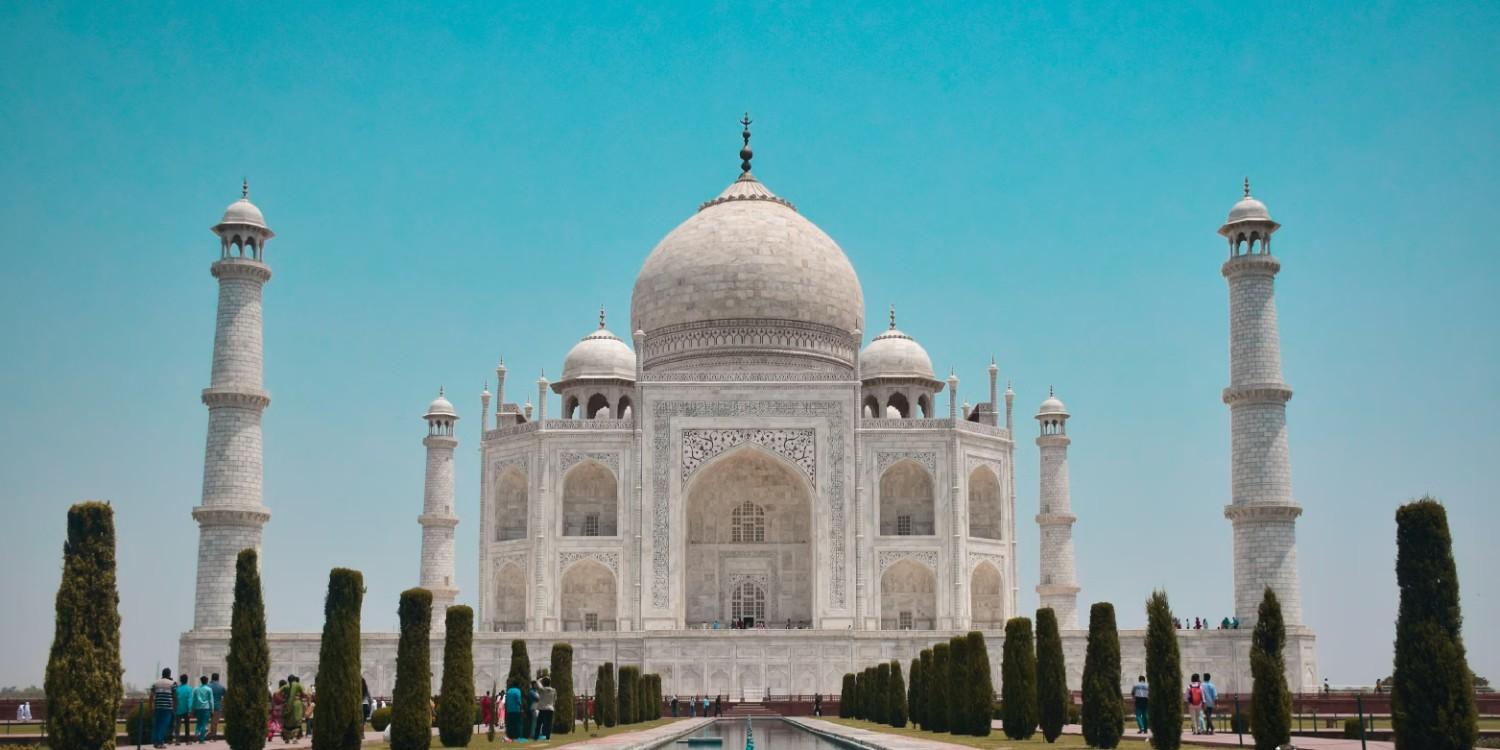
Crowned as one of the Seven Wonders of the World, the Taj Mahal is more than architecture — it’s emotion immortalized. Built by Emperor Shah Jahan in memory of his beloved wife Mumtaz Mahal, this 17th century mausoleum is poetry in white marble.
Its flawless symmetry, calligraphy, and pietra dura inlay work leave travelers spellbound. Watch the Taj change hues with daylight — soft pink at dawn, glowing white by noon, and golden under the moonlight.
Recommended Read: The Spice Route: Discovering India’s Culinary Heritage | Travel Rethink Ways
Agra Fort | The Red Citadel of Power
 Plan your holiday
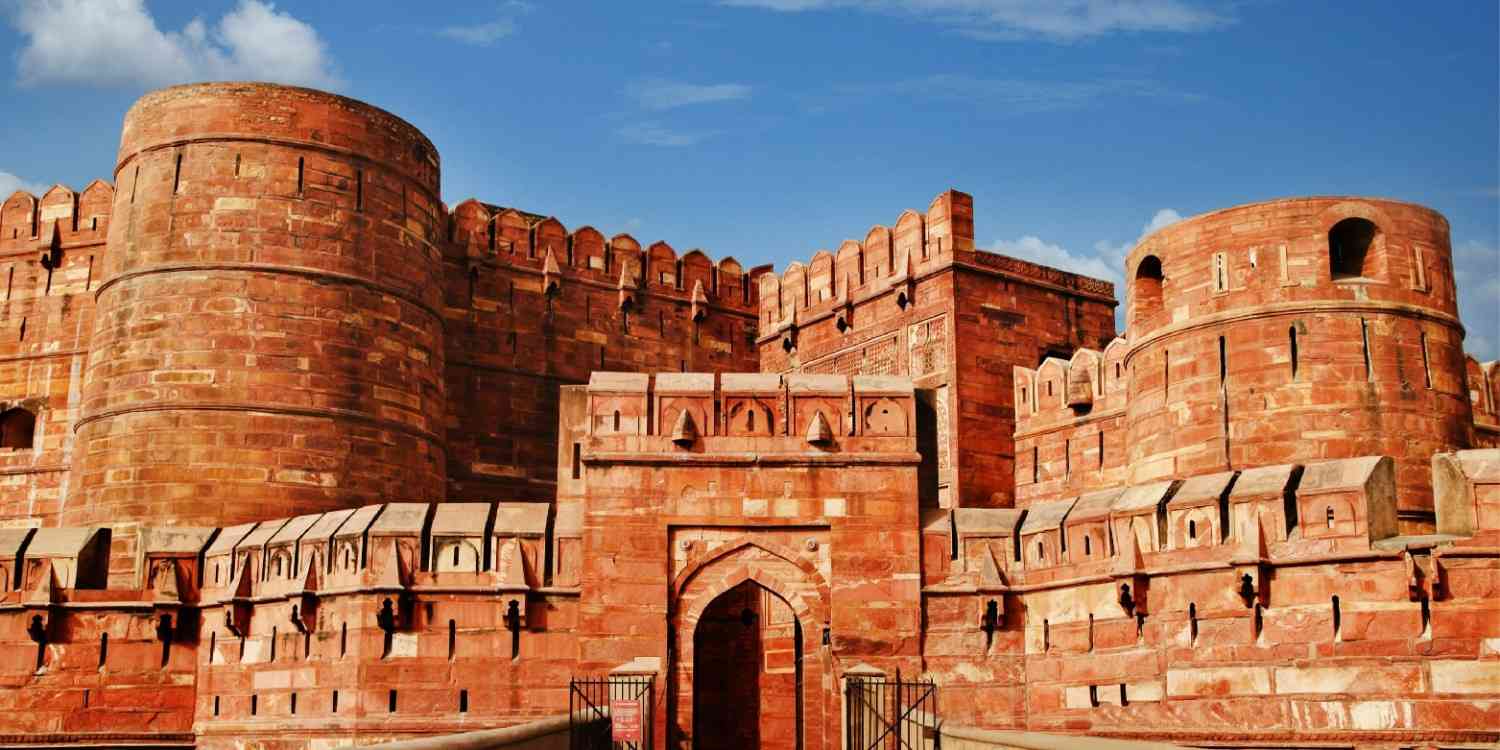
Just a few kilometers from the Taj lies Agra Fort, a fortress of red sandstone and marble where Mughal emperors once ruled.
Built by Emperor Akbar and later embellished by Shah Jahan, it served as both military stronghold and royal residence. Walk through the Diwan i Am, Diwan i Khas, and Moti Masjid — each hall narrating stories of ambition, strategy, and opulence.
Explore also: 10 Boutique Hotels in Tamil Nadu for Heritage, Hills & Serenity | Travel Rethink Ways
Fatehpur Sikri | The Ghost City of Dreams
 Plan your holiday
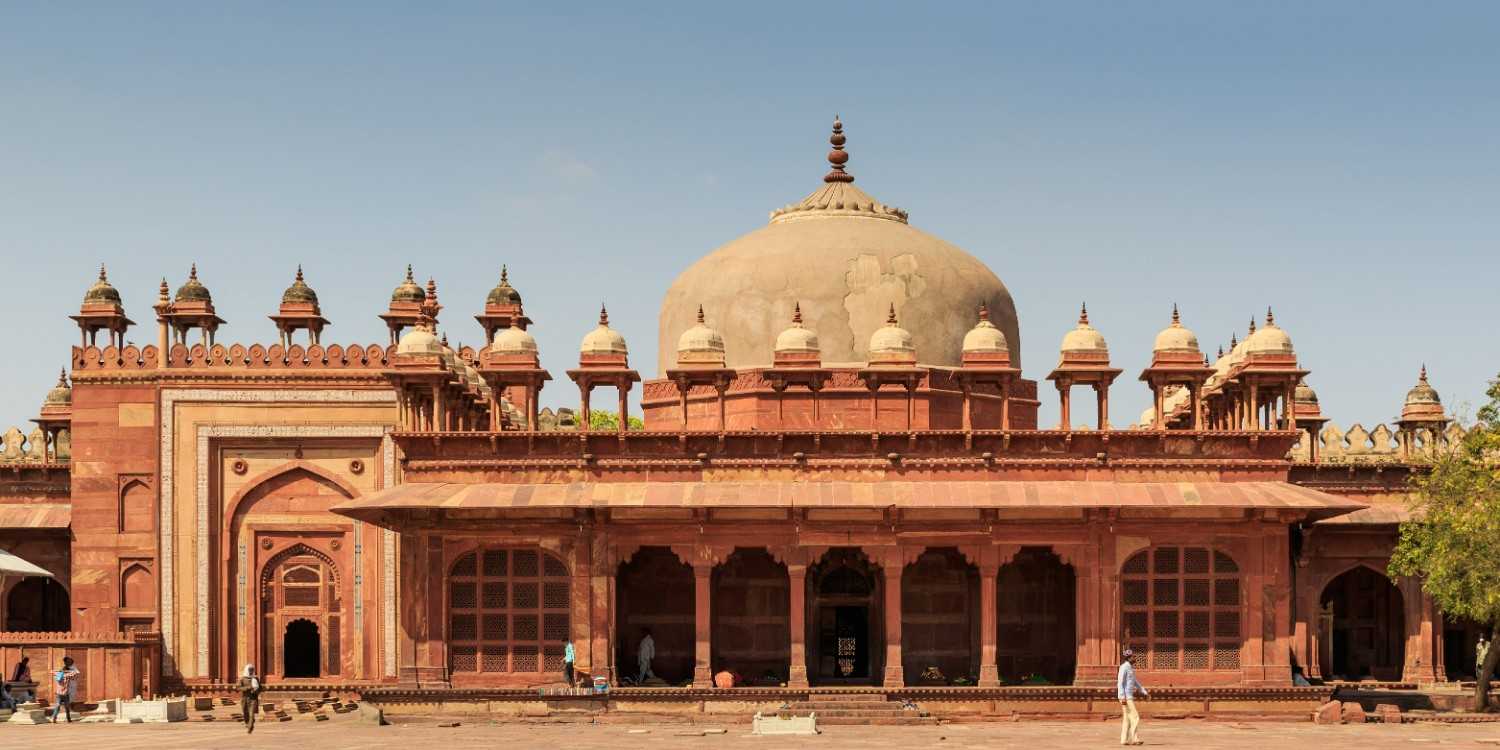
Once the Mughal capital under Akbar, Fatehpur Sikri stands frozen in time — an architectural masterpiece abandoned due to water scarcity.
From the grand Buland Darwaza (the Gate of Victory) to the serene Jama Masjid and Diwan i Khas, the city reflects Akbar’s vision of cultural harmony. Its intricate red sandstone work glows beautifully in the afternoon sun.
Recommended Read: Winter Wonders: Cultural Festivals to Experience in India | Travel Rethink Ways
Humayun’s Tomb | Inspiration for Taj
 Plan your holiday
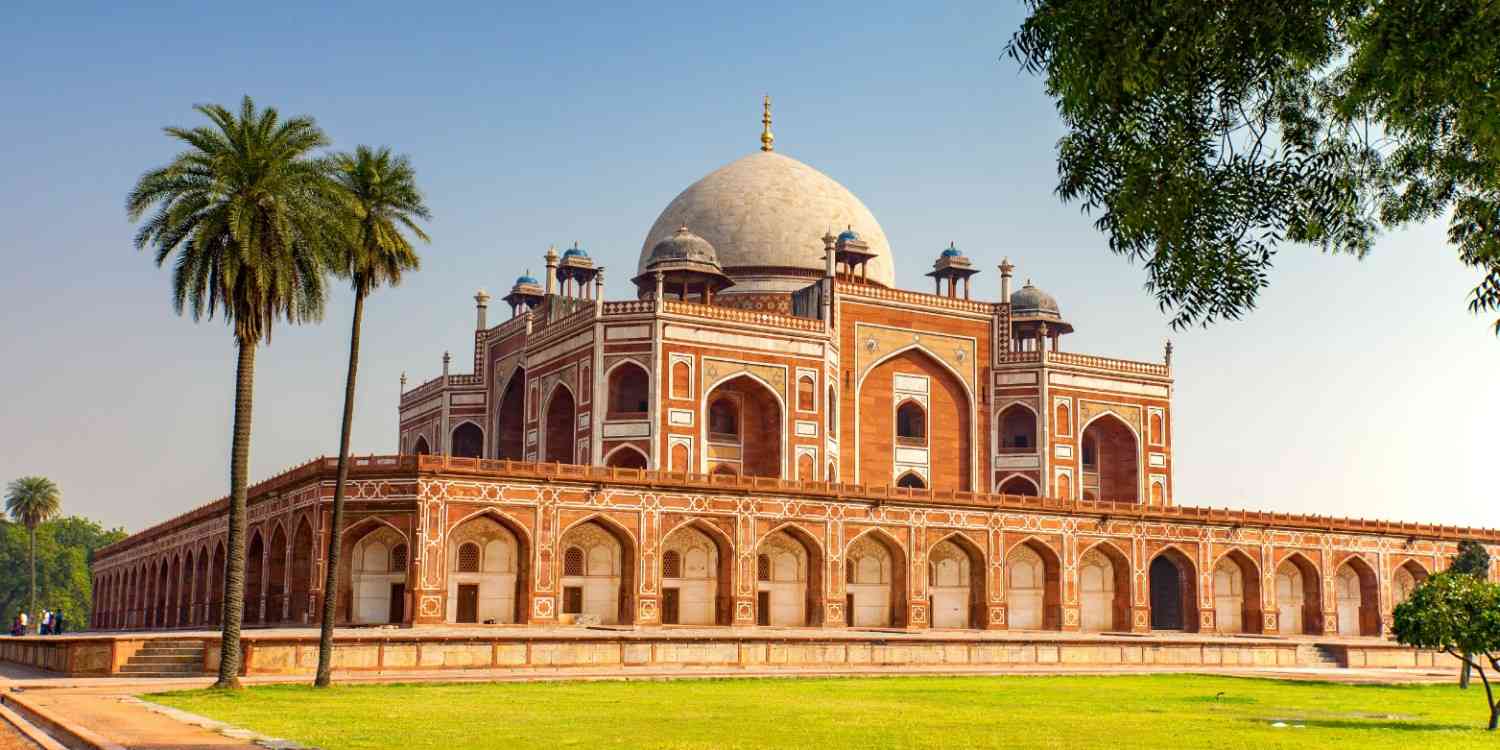
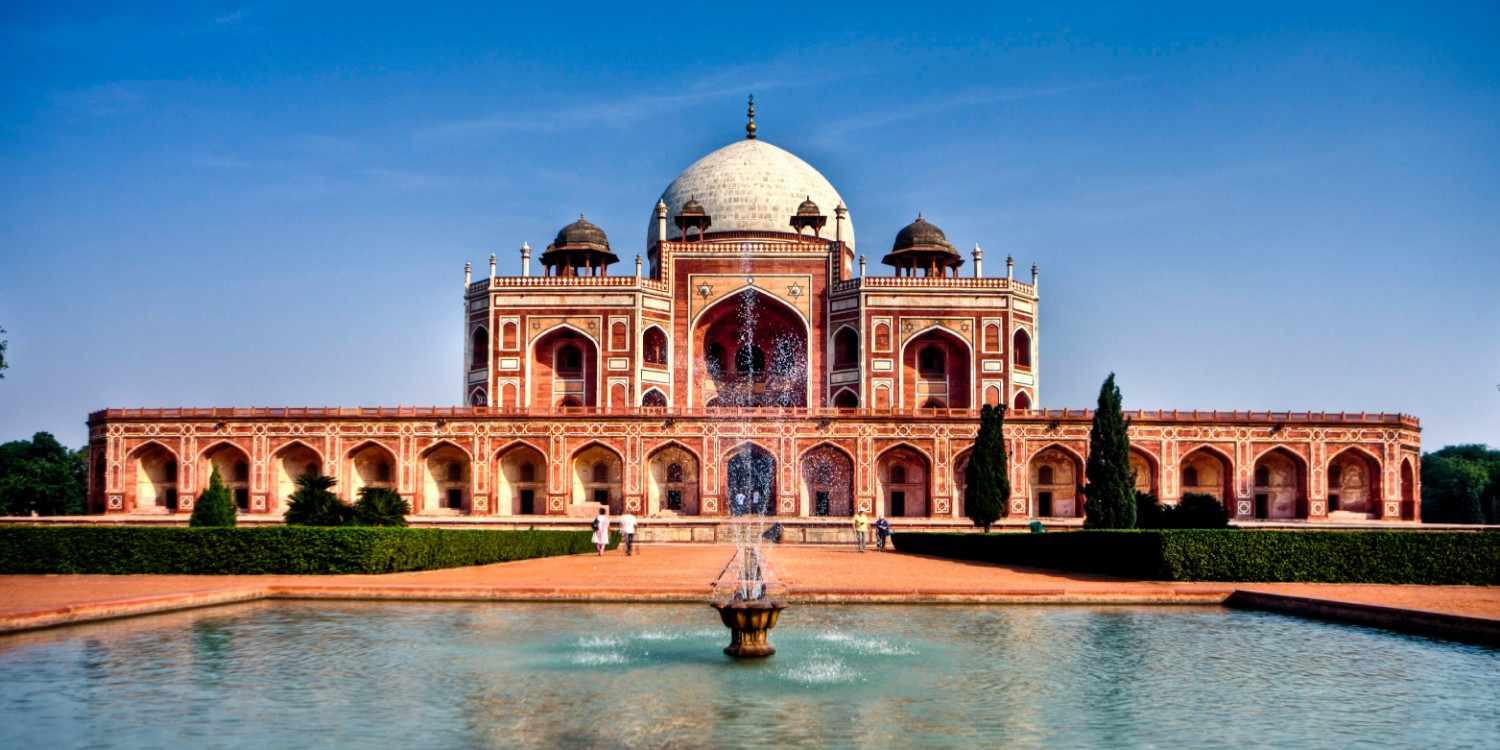
A precursor to the Taj Mahal, Humayun’s Tomb was the first garden tomb in India a masterpiece of Persian design introduced by the Mughals.
Commissioned by Empress Haji Begum in 1570, this UNESCO World Heritage site is known for its charbagh (four part garden), marble lattice windows, and perfect symmetry. The gentle echo of history lingers in every archway.
Love history and culture? Explore Delhi’s iconic historical sites in our Web Story.
Red Fort | The Seat of Power
 Plan your holiday
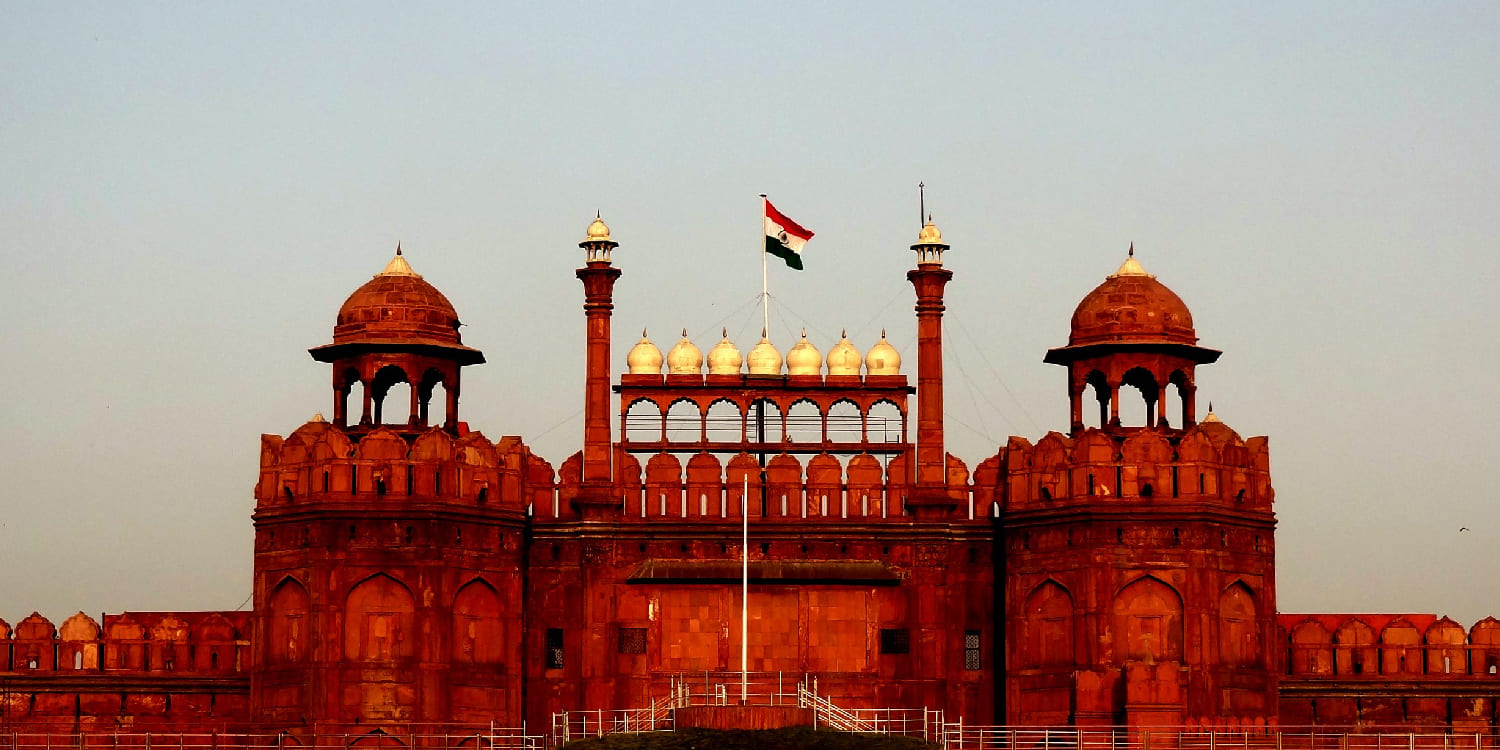
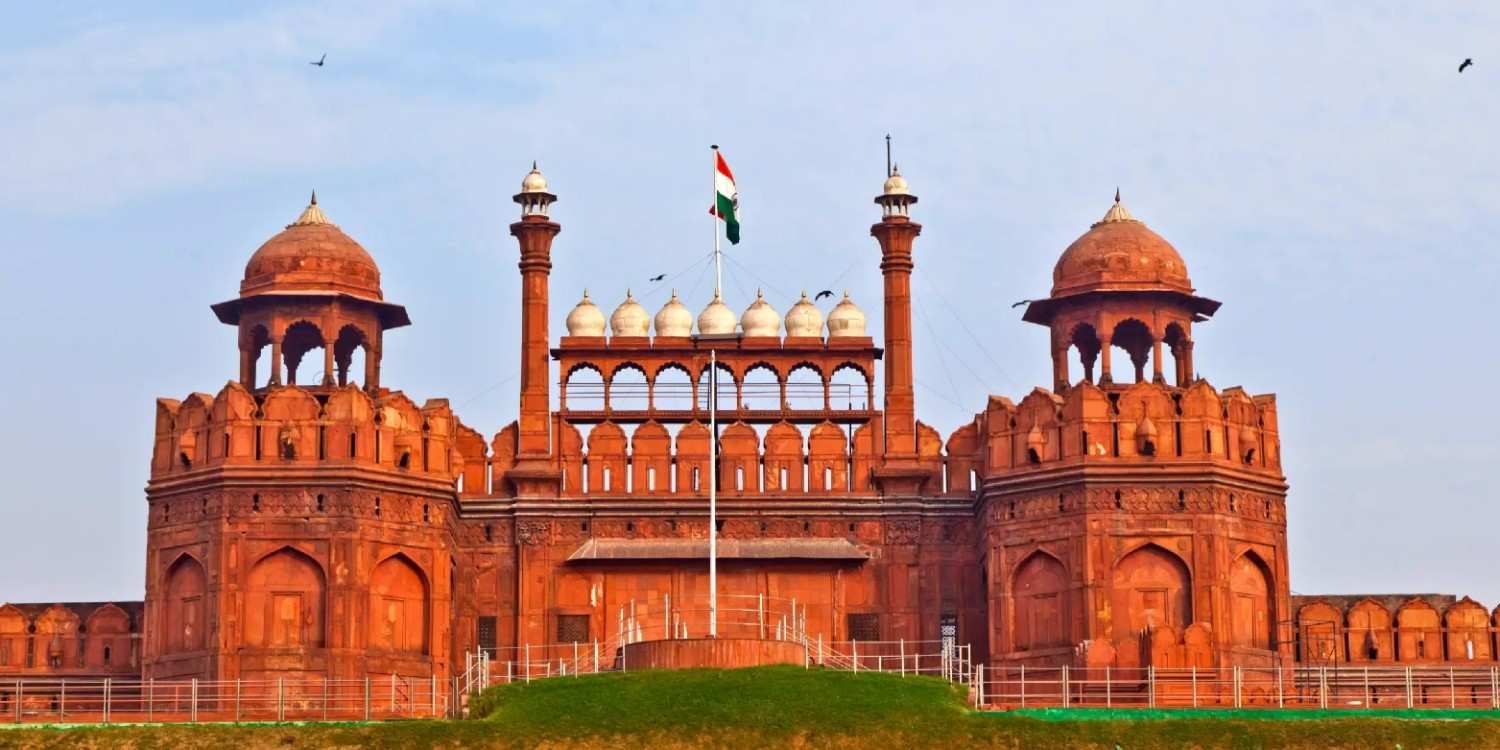
Every year, India’s Independence Day unfolds from the ramparts of the Red Fort, but centuries before that, it was the grand palace of Shah Jahan.
Built in 1648, this imposing structure of red sandstone once held the famous Peacock Throne and glittered with jewels. Inside, explore Diwan i Khas, Rang Mahal, and Lahori Gate reminders of the empire’s unmatched luxury.
Recommended Read: 30 Best Places to Visit in India in December 2026 Winter Magic | Travel Rethink Ways
Jama Masjid | Timeless Devotion
 Plan your holiday
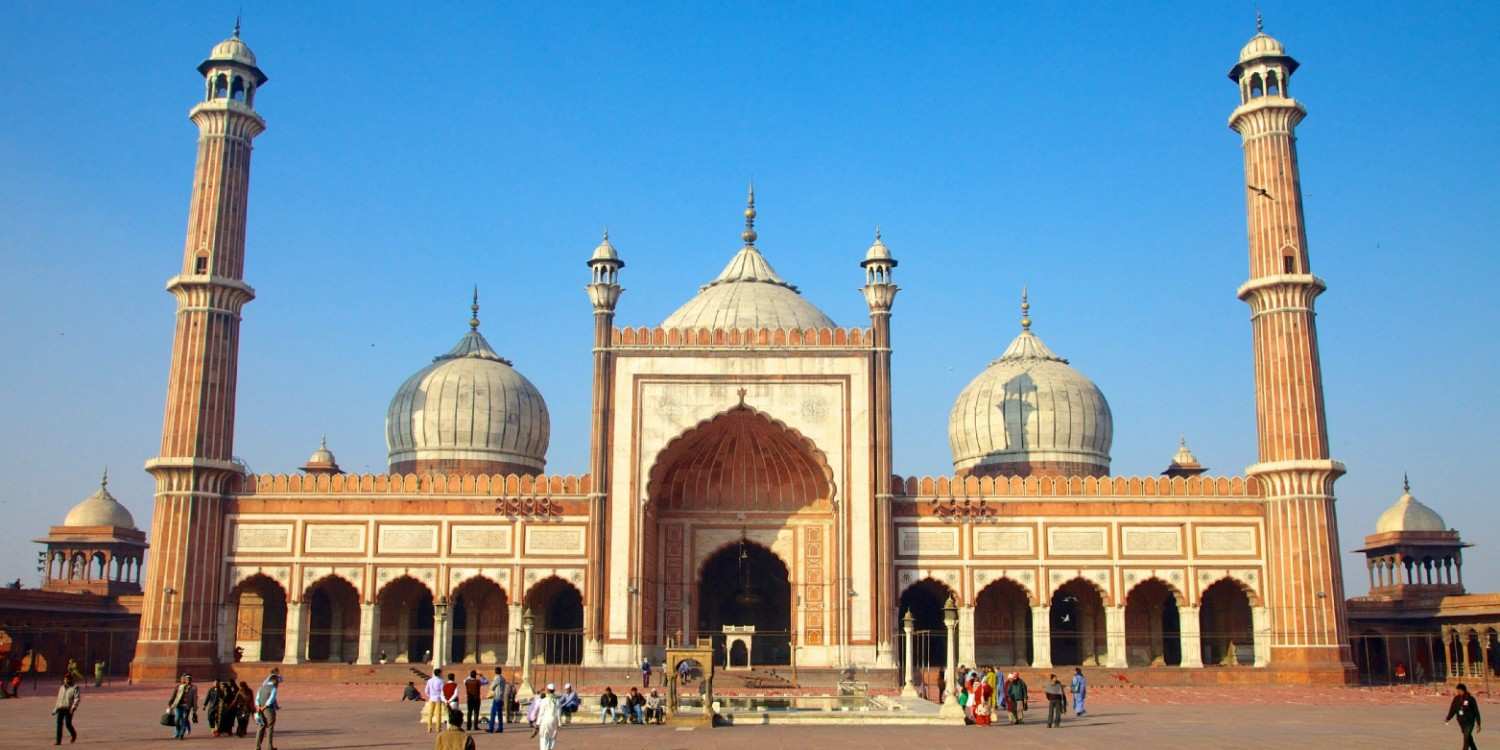
One of the largest mosques in India, Jama Masjid is Shah Jahan’s final architectural masterpiece. Completed in 1656, it can accommodate over 25,000 worshippers at once.
Climb its 121 step minaret for a breathtaking view of Old Delhi’s chaos and charm. The courtyard, lined with domes and arches, feels both grand and grounding a reflection of faith through symmetry.
Explore also: Popular Historical Forts in India – Reliving the Glory of the Past | Travel Rethink Ways
Itimad ud Daulah’s Tomb | The Baby Taj
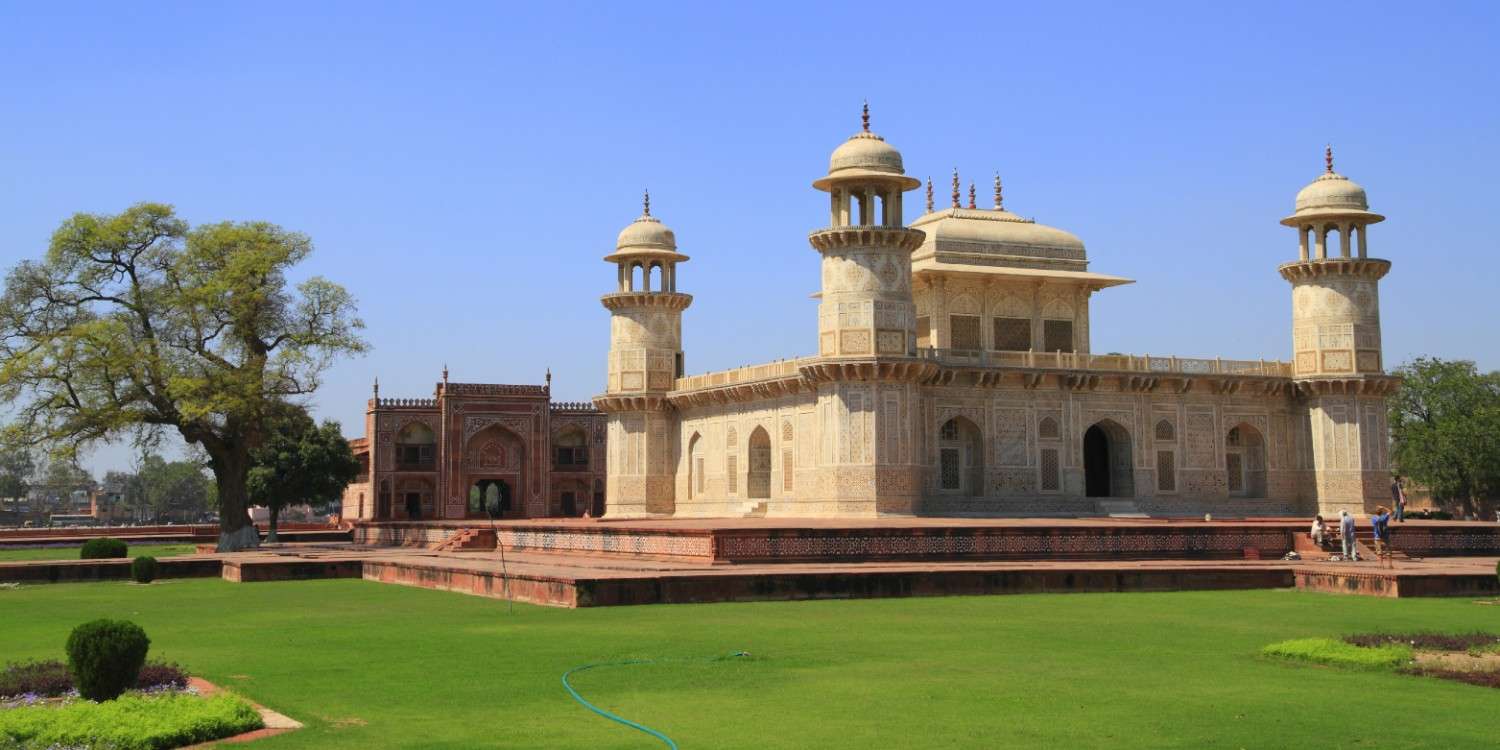
Often overshadowed by the Taj Mahal, this smaller yet exquisite tomb is a hidden gem. Built by Nur Jahan for her father, Itimad ud Daulah, it was the first Mughal structure made entirely of white marble.
Delicate carvings, lattice windows, and floral motifs make it a fine example of Mughal refinement and feminine grace.
Recommended Read: For The Creative Soul: Destinations That Spark Inspiration | Travel Rethink Ways
Akbar’s Tomb | Eternal Sovereign
 Plan your holiday
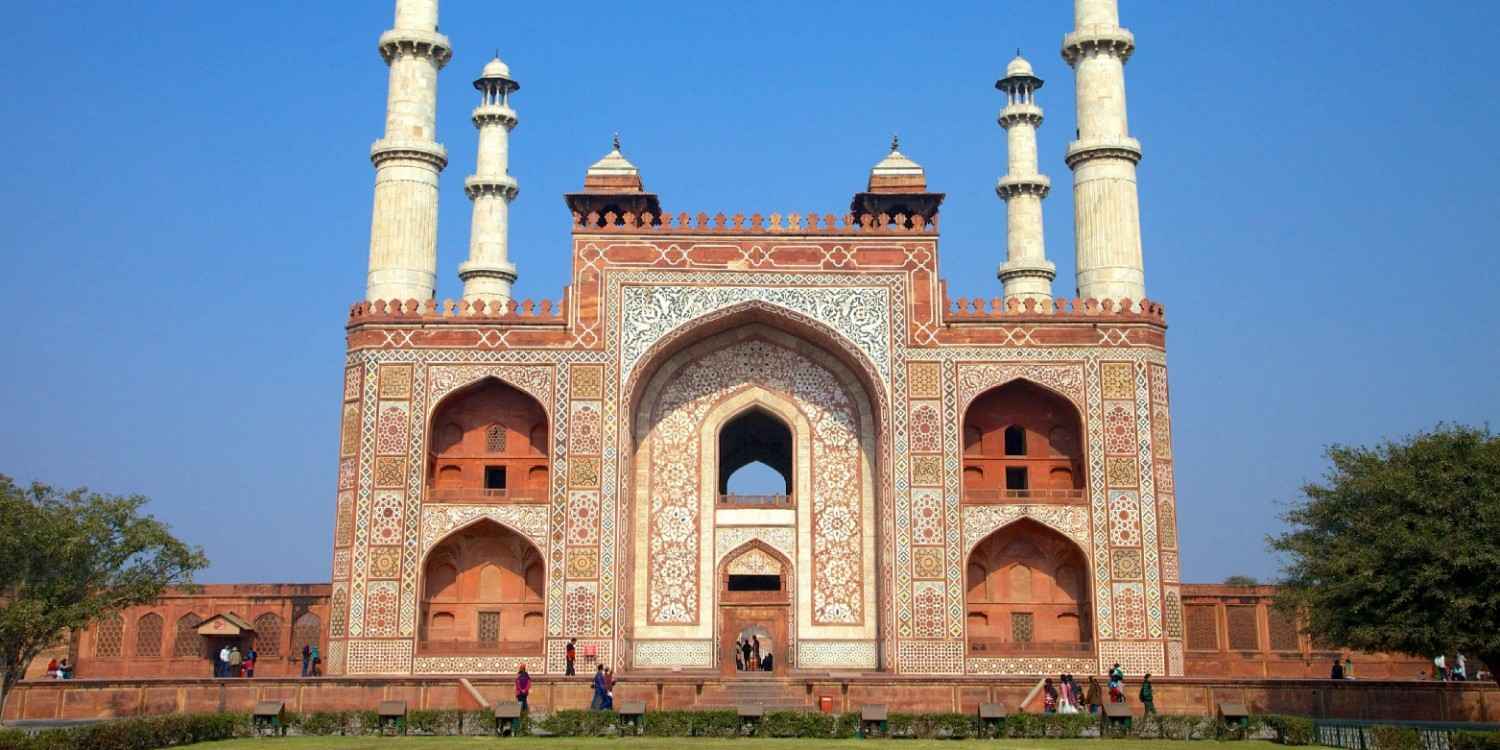
At Sikandra, just outside Agra, lies the grand mausoleum of Emperor Akbar. Unlike others, Akbar designed his own tomb a striking fusion of red sandstone and marble.
Its blend of Hindu, Islamic, and Persian motifs reflects the emperor’s open minded philosophy. The entrance, adorned with geometric patterns and Quranic inscriptions, leads to a peaceful garden where history rests in silence.
Explore also: Serene Escapes: India’s Hidden Gems Before Spring Blooms 2026 | Travel Rethink Ways
Shalimar Bagh | The Garden of Delight
 Plan your holiday
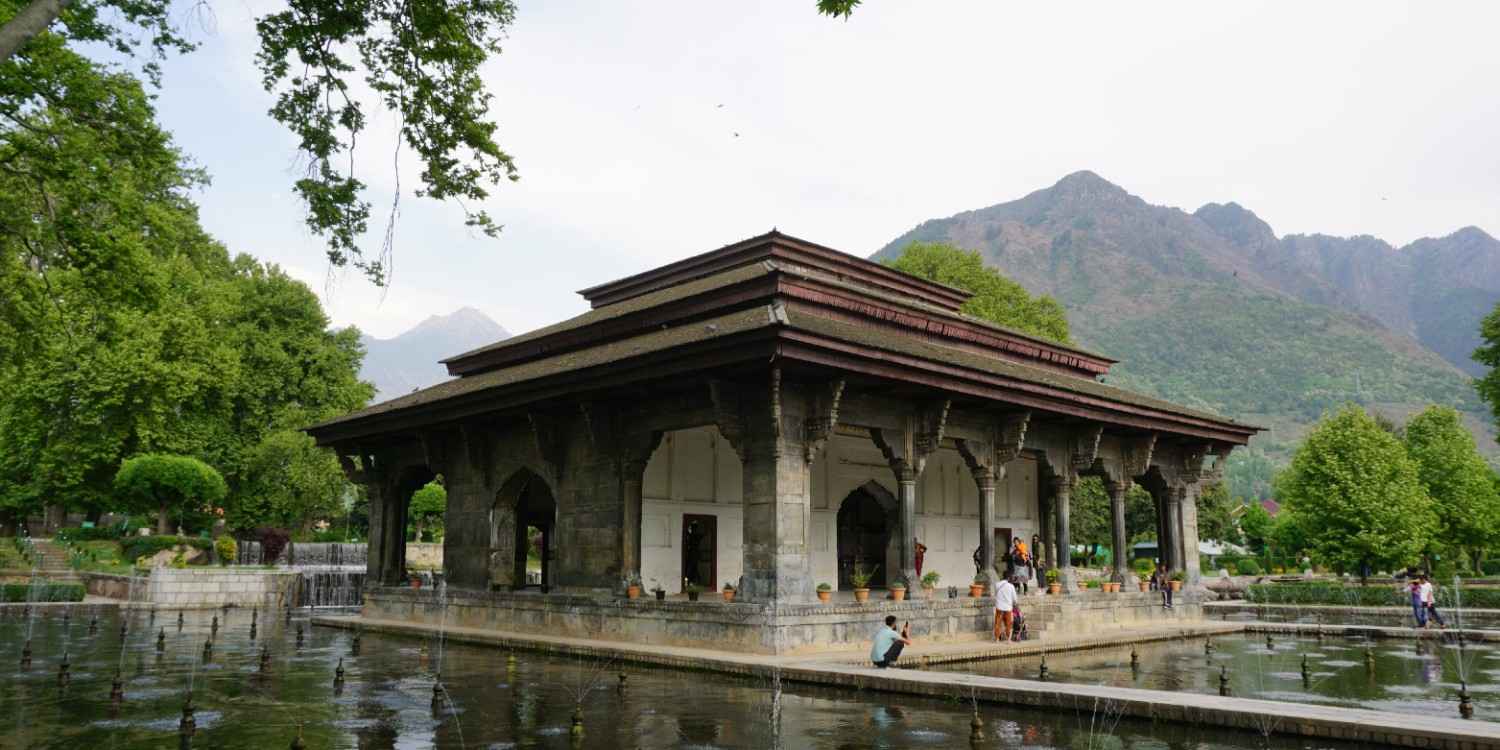
Far from the dusty plains of Agra and Delhi, the Mughals created heaven on earth in Kashmir. Shalimar Bagh, built by Jahangir for Nur Jahan, is the finest of the Mughal gardens.
Terraced lawns, flowing fountains, and chinar trees frame views of Dal Lake an embodiment of paradise imagined by poets and emperors alike.
Recommended Read: Top 7 Things to Do in Vietnam: Unforgettable Experiences for Every Traveler | Travel Rethink Ways
Safdarjung Tomb | Last Monument
 Plan your holiday
Built in 1754, Safdarjung’s Tomb represents the twilight of the Mughal era a final echo of their once great architectural legacy.
Its onion shaped dome, ornate arches, and peaceful gardens still capture the poetic decay of a fading empire. A lesser known gem, yet profoundly beautiful at sunset.
Explore also: The Spirit of Africa: Photographic Journeys Through the Continent | Travel Rethink Ways
The Art of Mughal Architecture
Mughal architecture was never about size alone it was about soul.
Every monument is a dialogue between light and shadow, geometry and grace.
Symmetry, domes, jalis (lattice screens), and lush gardens weren’t just designs they reflected a spiritual pursuit of harmony.
From the PersianVinspired charbagh gardens to the intricate marble inlay, the Mughals elevated architecture into an emotion serene, powerful, and timeless.
FAQs about Mughal Marvels in India
1) What are the most famous Mughal monuments in India?
Some of the most famous Mughal monuments include the Taj Mahal, Agra Fort, Red Fort, Humayun’s Tomb, and Fatehpur Sikri, which reflect the grandeur of Mughal architecture.
2) Why do historians call Mughal monuments architectural gems?
Mughal monuments are called architectural gems because of their extraordinary craftsmanship, symmetry, and artistic detail. Structures like the Taj Mahal, Humayun’s Tomb, and Fatehpur Sikri showcase a unique blend of Persian, Islamic, and Indian architectural styles. Intricate marble inlay work, grand domes, ornamental gardens, and finely carved stone screens reflect the Mughal emperors’ vision of harmony, beauty, and timeless design.
3) Which Mughal monument inspired the design of the Taj Mahal?
Humayun’s Tomb is considered a major architectural inspiration for the Taj Mahal, especially in its symmetrical garden layout and Persian design elements.
4) What architectural style did the Mughals introduce in India?
Mughal architecture combined Persian, Islamic, and Indian design elements, featuring domes, arches, marble inlay work, and symmetrical gardens known as charbagh layouts.
5) Which Mughal monument is known as the “Baby Taj”?
Tomb of Itimad ud Daulah is often called the “Baby Taj” because of its delicate marble design and resemblance to the Taj Mahal.
6) Which Mughal monument served as the royal residence of emperors?
The Red Fort in Delhi served as the main palace and political center for Mughal emperors after it was built by Shah Jahan in 1648.
7) Which Mughal city was abandoned and became a historical site?
Fatehpur Sikri was once the capital of the Mughal Empire under Akbar but was later abandoned due to water shortages.
8) Which Mughal garden is famous in Kashmir?
Shalimar Bagh is one of the most famous Mughal gardens, built by Jahangir for his wife Nur Jahan.
9) When is the best time to visit Mughal monuments in India?
The best time to explore Mughal monuments is between October and March, when the weather in cities like Agra, Delhi, and Srinagar is cooler and ideal for sightseeing.
10) How many days are needed to explore major Mughal monuments?
A 5–7 day trip is usually enough to explore major Mughal landmarks across Delhi, Agra, Fatehpur Sikri, and Srinagar along the historic Mughal travel route.
Best Time to Explore Mughal Marvels
The ideal season is October to March, when India’s weather is pleasant.
Agra, Delhi, Fatehpur Sikri, and Srinagar together form a stunning “Mughal Trail” perfect for a weeklong cultural journey.
Hire local guides for deeper stories, and visit early morning or at sunset for the most magical light.
Mughal marvels aren’t relics of the past they’re timeless expressions of India’s artistic soul. Each fort, garden, and tomb stands as a bridge between power and poetry, reminding us that empires may fade, but beauty endures.
Walk their corridors, trace their carvings, and you’ll feel it the whisper of eternity beneath every arch.
Recommended Read: 8 Best Historical Sites You Can’t Miss in Delhi | Travel Rethink Ways