








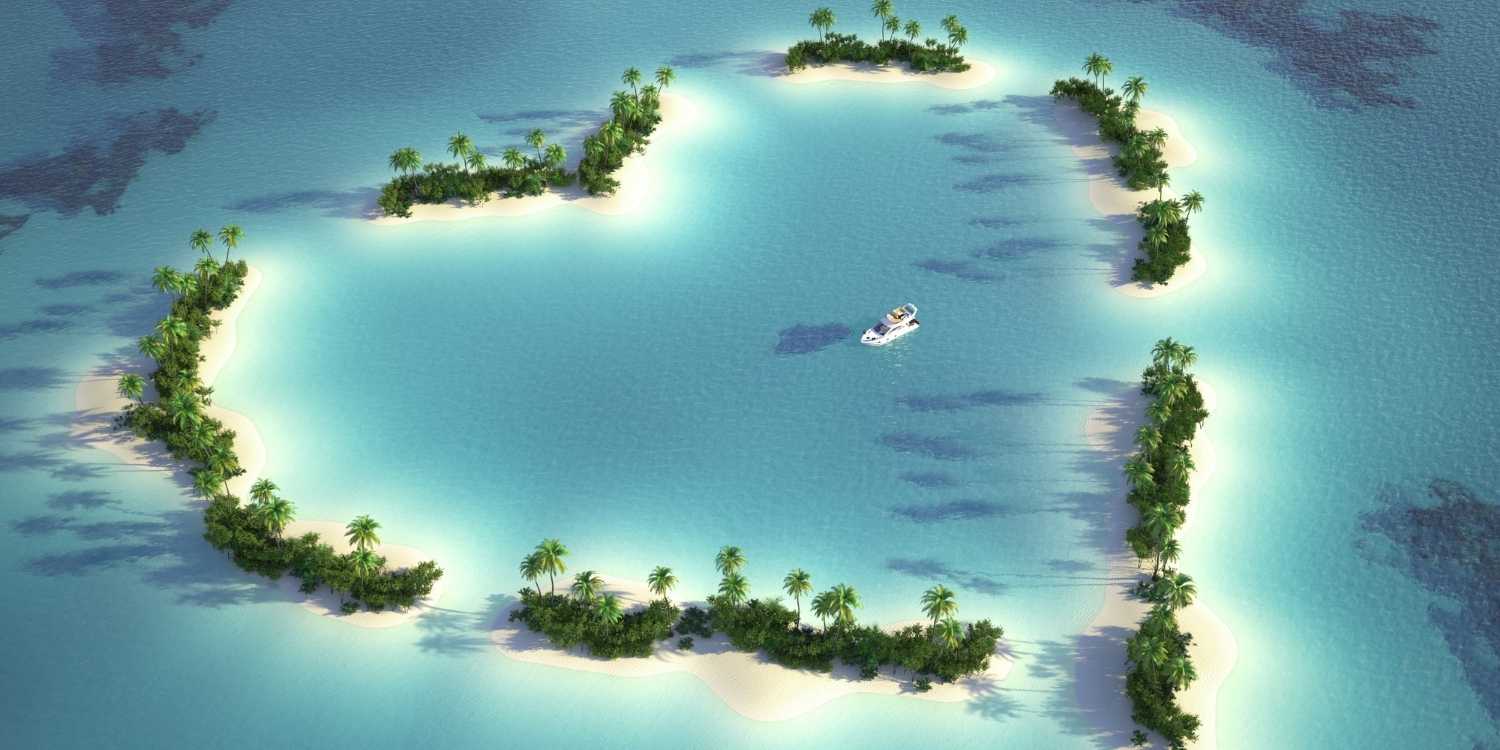
What if the kind of private island escape you dream about turquoise waters, limited crowds, uninterrupted sunsets already exists within India?
Private island destinations in India offer secluded beaches, controlled visitor access, and slow luxury experiences without the need for international travel. While destinations like the Maldives or Seychelles dominate global island conversations, India quietly hosts coral atolls, volcanic islands, riverine landscapes, estuary hideaways, and heritage island settlements that deliver exclusivity in distinctly different ways.
For travellers seeking privacy, refined coastal stays, cultural immersion, and slower, intentional journeys, these Indian island getaways provide compelling alternatives, many of them still underexplored.
This guide explores 10 of the most unique private island destinations in India, covering best time to visit, permit rules, travel logistics, and what makes each one suited for a secluded luxury escape.
 Plan your holiday
- What Makes an Island
“Private” in India? - Agatti Island, Lakshadweep
- Bangaram Island, Lakshadweep
- Havelock Island, Andaman
- Neil Island, Andaman
- Majuli Island, Assam
- Diu Island, Dadra and Nagar
Haveli and Daman and Diu - Divar Island, Goa
- Poovar Island, Kerala
- Barren Island, Andaman
- St. Mary’s Island, Karnataka
- Best Time to Visit Private Island Destinations in India
- Frequently Asked Questions

What Makes an Island “Private” in India?
Unlike international destinations with fully privatized resort islands, private island destinations in India usually fall into one of these categories:
- Controlled entry islands (permit-based access)
- Low tourism density destinations
- Eco sensitive islands with limited infrastructure
- Heritage or rural islands away from commercial beach hubs
- Islands accessible only via boat or ferry
Privacy in India often comes from regulation, geography, or low commercial development rather than exclusive ownership.
1. Agatti Island | Turquoise Serenity
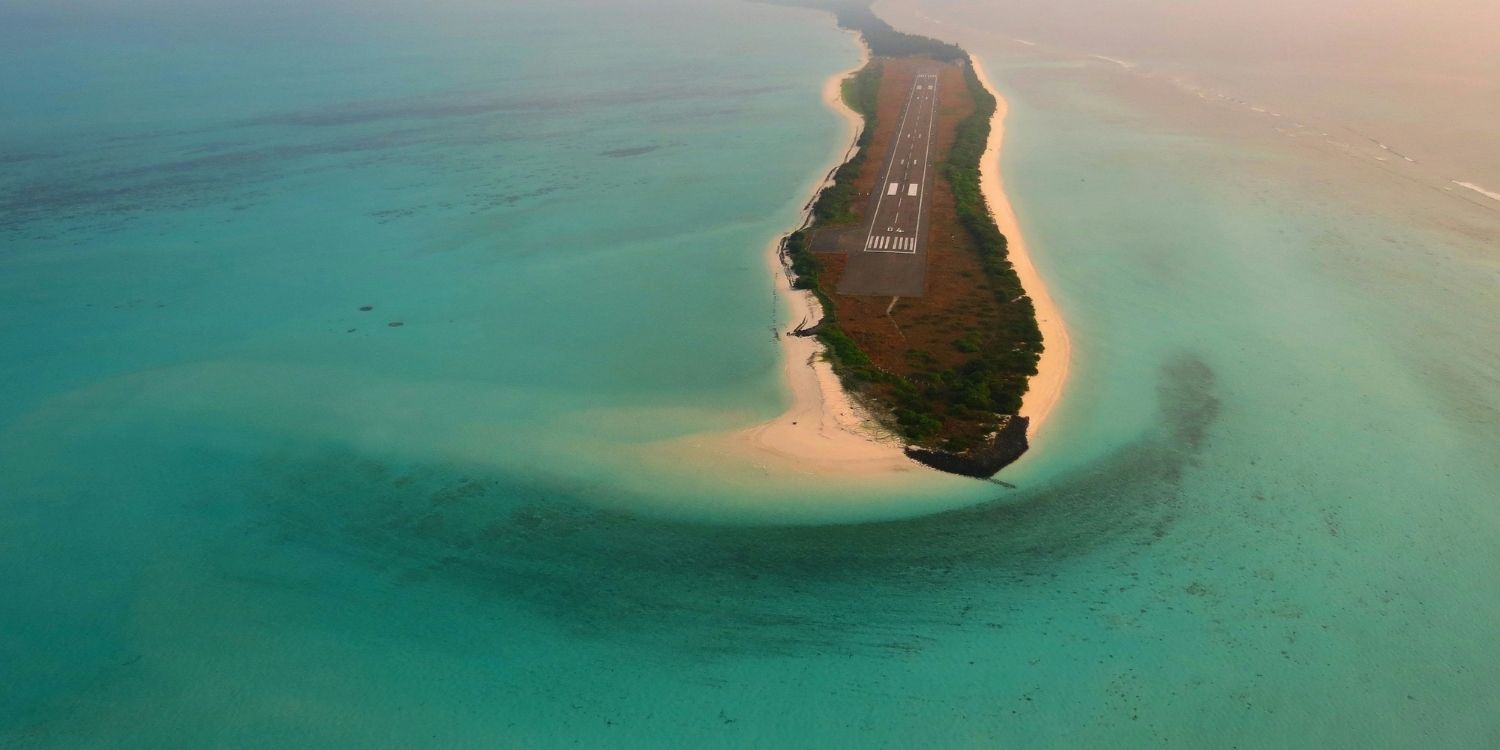
Located in Lakshadweep, Agatti Island is one of India’s most visually stunning coral atolls. Its shallow turquoise lagoons and vibrant reef systems often draw comparisons to the Maldives yet it retains a quieter, more controlled atmosphere.
Why It Feels Exclusive
Lakshadweep operates under a strict entry permit system. Tourist inflow is limited, infrastructure is modest, and large-scale commercialization is restricted. This ensures beaches remain uncrowded and marine ecosystems relatively undisturbed.
Best Time to Visit
- October to March: Ideal sea conditions and clear visibility
- April–May: Warm but manageable
- June–September: Monsoon; limited transfers
Ideal For
- Honeymooners
- Snorkelling and diving enthusiasts
- Slow luxury seekers
- Nature focused travellers
Budget Range
- ₹35,000–₹75,000+ for 3N/4D packages
Agatti is less about opulence and more about uninterrupted ocean immersion.
Couples planning a romantic escape can explore our detailed Lakshadweep honeymoon guide for curated stay options and travel insights.
2. Bangaram Island | Barefoot Exclusivity
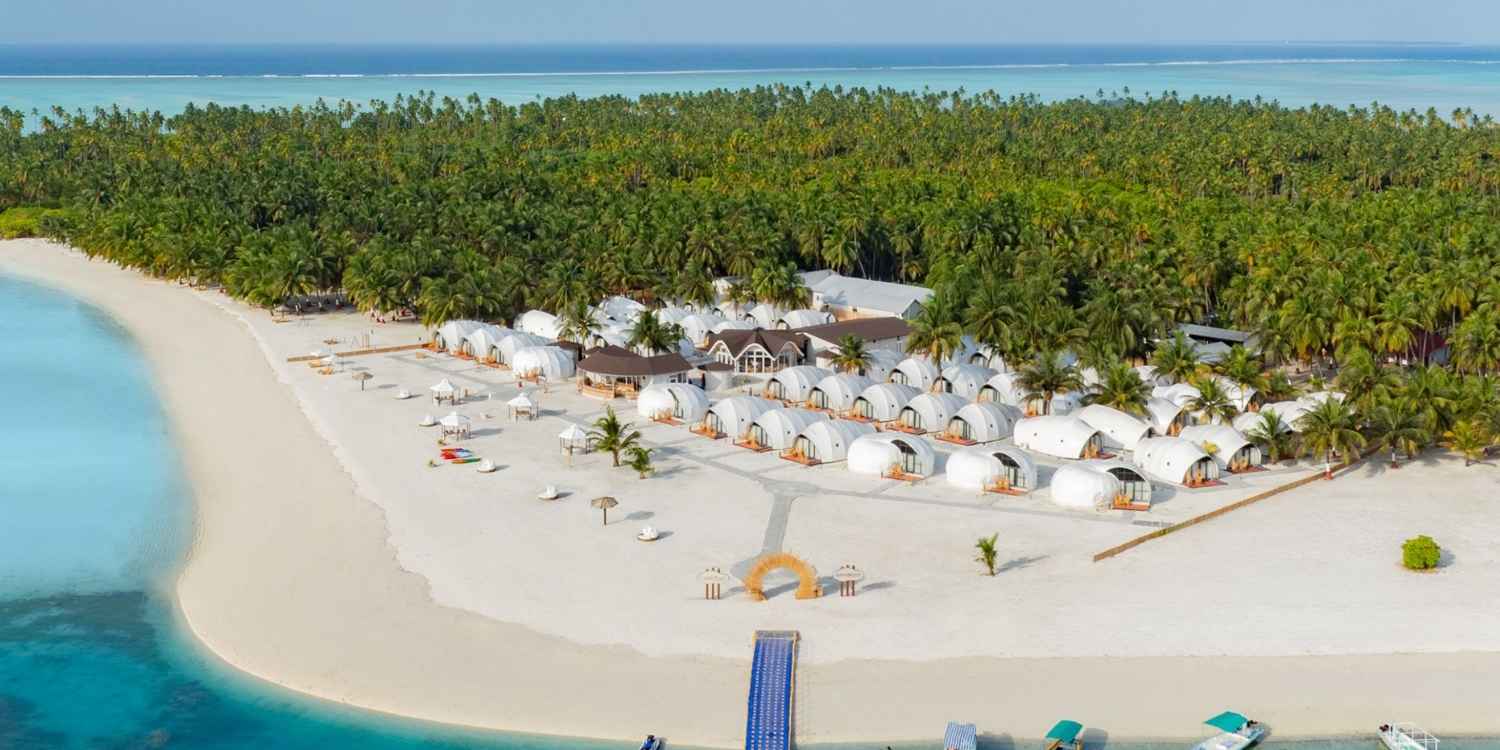
Located in the archipelago of Lakshadweep, Bangaram Island is widely regarded as one of the most secluded private island destinations in India. Unlike more accessible coastal destinations, Bangaram maintains an atmosphere of rare stillness due to controlled tourism and limited infrastructure.
Why Bangaram Feels Exclusive
- Limited accommodation capacity
- Permit-based entry
- No commercial nightlife
- Expansive reef systems surrounding the island
The absence of urban distractions allows travellers to experience uninterrupted lagoon views and immersive marine life encounters.
Experiences on the Island
- Scuba diving and snorkelling in coral rich waters
- Sunset beach walks with minimal crowd presence
- Kayaking across shallow turquoise lagoons
- Stargazing due to low light pollution
Bangaram is not about entertainment, it is about immersion in nature.
Best Time to Visit
- November to March: Calm seas, ideal diving conditions
- Avoid June to September: Monsoon affects transfers
Ideal For
- Honeymooners seeking barefoot luxury
- Slow travellers prioritising privacy
- Marine enthusiasts
- Travellers looking for controlled entry exclusivity
Budget Overview
3N/4D curated packages typically range between ₹45,000 – ₹85,000+ per person depending on stay category.
Many of these islands also feature among the top honeymoon destinations in 2026, thanks to their privacy and scenic settings.
3. Havelock Island | Tropical Refinement
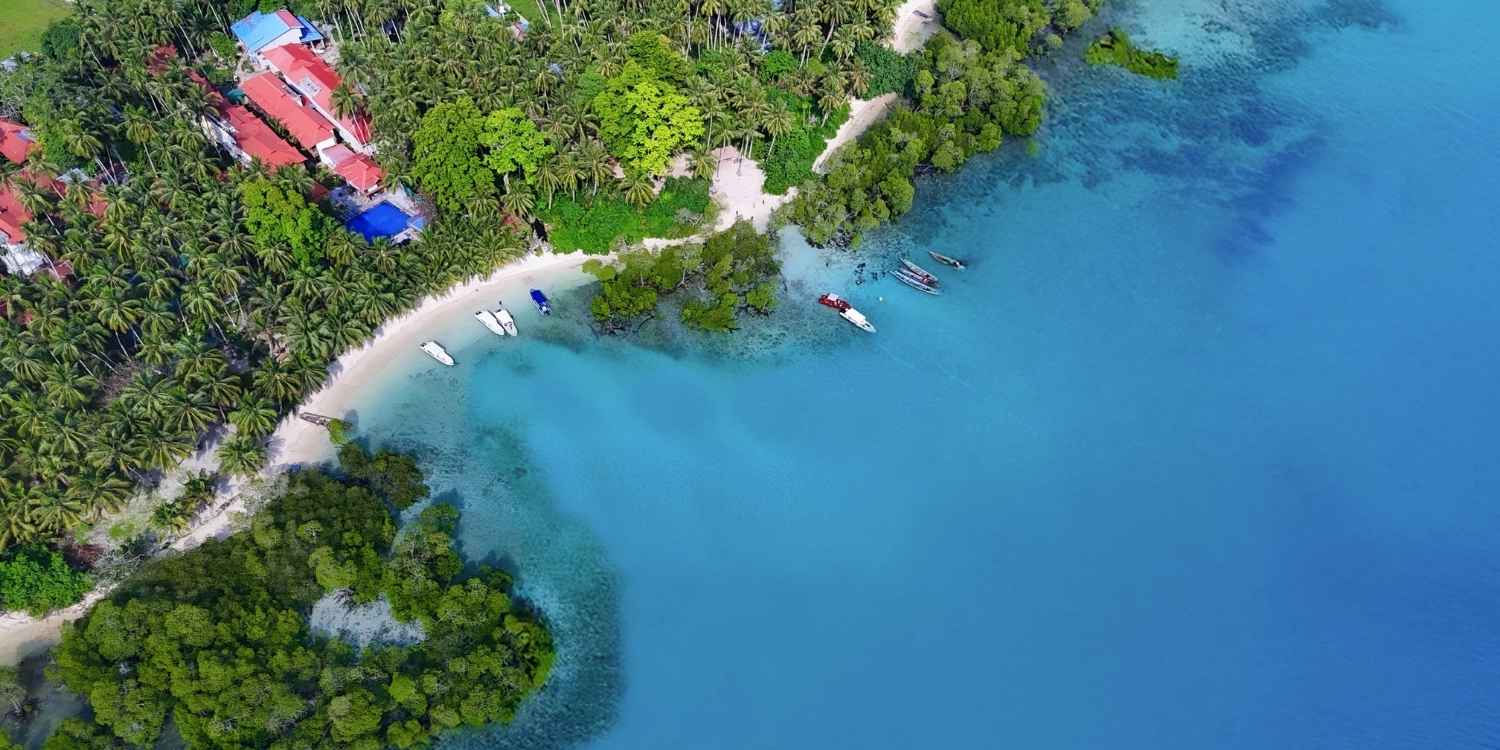
Part of the Andaman and Nicobar Islands, Havelock Island officially renamed Swaraj Dweep balances accessibility with tropical exclusivity.
While more developed than Lakshadweep, it remains one of the strongest private island style destinations in India when you choose boutique or eco luxury stays.
What Makes Havelock Special
- Radhanagar Beach (often ranked among Asia’s top beaches)
- Premium eco resorts tucked into forested coastlines
- Advanced diving infrastructure
- Wide shoreline stretches beyond main tourist zones
Privacy here depends on accommodation choice and season.
Key Experiences
- Scuba diving and certification courses
- Sunset walks at Radhanagar Beach
- Sea kayaking through mangroves
- Beachfront candlelight dinners
Best Time to Visit
- October to May: Ideal beach conditions
- December–February: Peak season
- June–September: Heavy rainfall
Ideal For
- Luxury beach travellers
- Honeymoon couples
- Diving enthusiasts
- International style tropical experiences within India
Budget Range
- Mid range stays: ₹6,000–₹12,000 per night
- Premium eco resorts: ₹18,000–₹35,000+ per night
4. Neil Island | Lagoon Calm
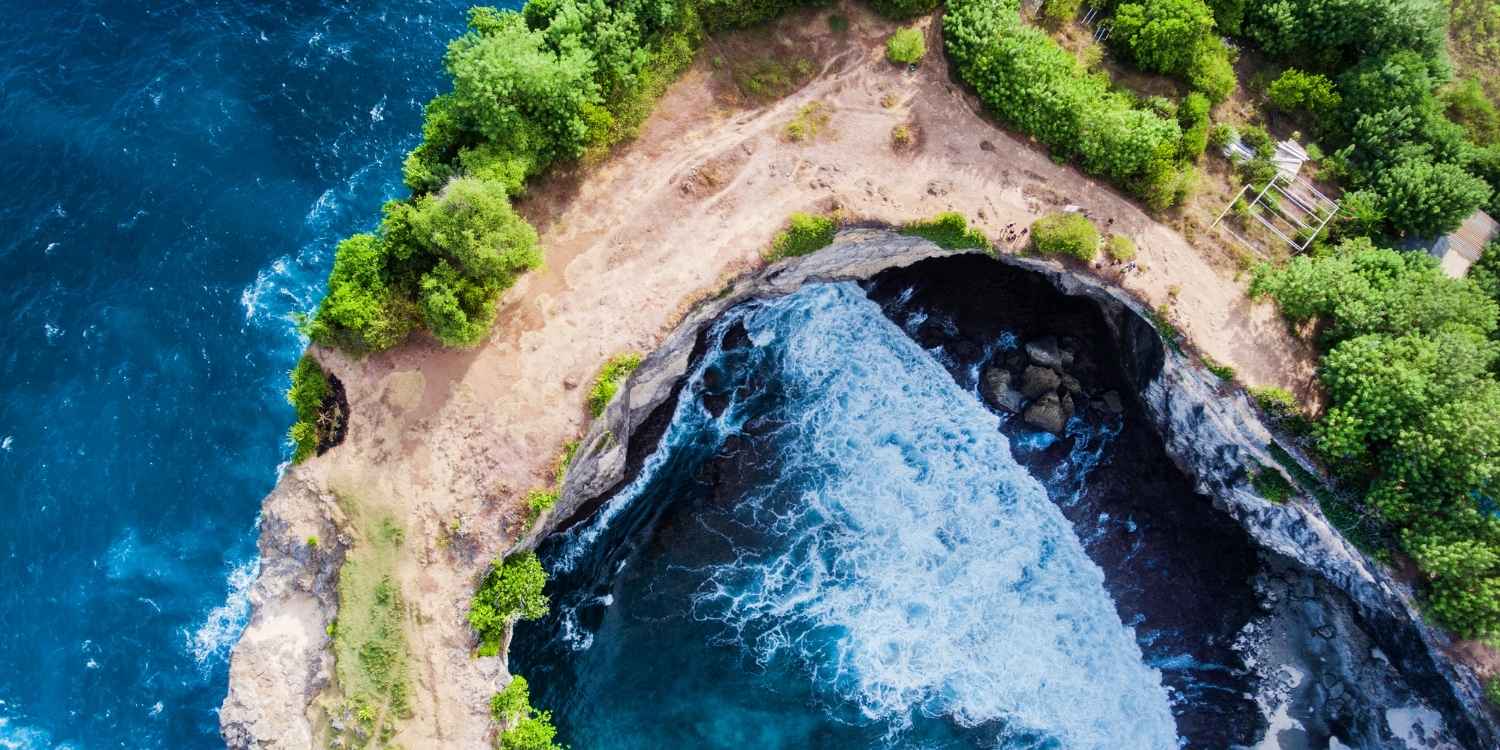
Part of the Andaman and Nicobar Islands, Neil Island officially known as Shaheed Dweep is smaller, quieter, and less commercial than Havelock.
With a compact landscape, limited vehicle traffic, and low density accommodation, Neil Island offers a slower and more intimate coastal experience. It is one of the most peaceful private island destinations in India for travellers who prefer serenity over activity.
Why It Feels Exclusive
- Fewer resorts compared to Havelock
- Wide, uncrowded beaches
- Minimal nightlife
- Limited infrastructure
Privacy here comes from simplicity and scale.
Key Experiences
- Bharatpur Beach lagoon swims
- Natural rock bridge (Howrah Bridge) exploration
- Cycling across quiet coastal roads
- Sunrise photography along empty shorelines
Best Time to Visit
- October to April: Calm seas and clear skies
- Avoid peak monsoon months
Ideal For
- Couples seeking quiet beach escapes
- Slow travellers
- Nature photographers
- Introverted luxury travellers
Budget Overview
- Mid range stays: ₹5,000–₹10,000 per night
- Premium boutique stays: ₹15,000–₹25,000 per night
5. Majuli Island | River Heritage
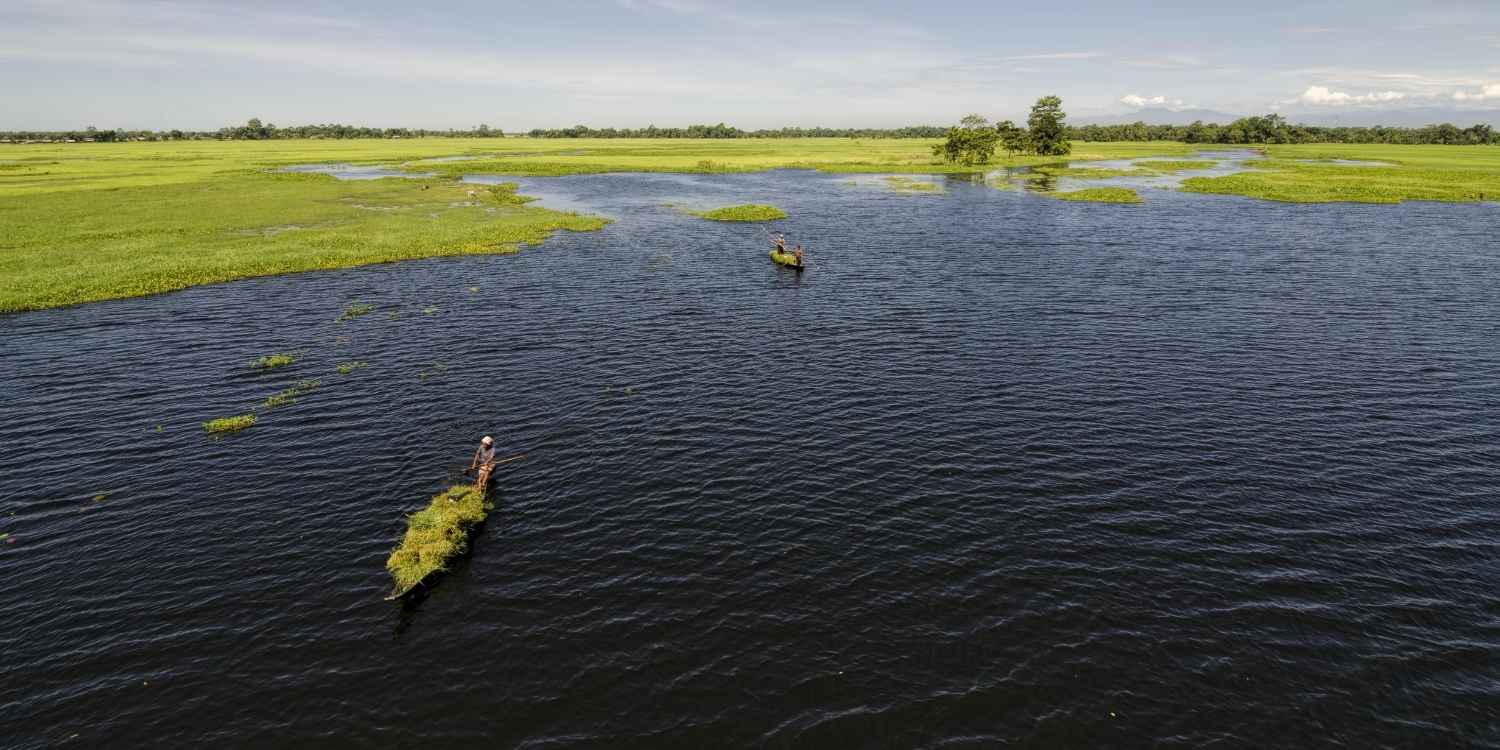
Located on the Brahmaputra River in Assam, Majuli is one of the world’s largest inhabited river islands. It represents a completely different form of private island experience in India cultural and contemplative rather than coastal.
Why Majuli Feels Exclusive
- Remote river access via ferry
- Limited commercial hospitality
- Strong cultural preservation
- Minimal urban development
Privacy here comes from geographic isolation and community led tourism.
Unique Experiences
- Visiting Vaishnavite satras (monastic institutions)
- Experiencing traditional Assamese mask making art
- Riverfront sunset viewing
- Rural homestay immersion
Majuli appeals to experiential luxury travellers those who value authenticity over resort opulence.
Best Time to Visit
- October to March: Dry season and ferry reliability
- Avoid peak monsoon (June–September)
Ideal For
- Cultural travellers
- Slow travel enthusiasts
- Photographers
- Heritage focused explorers
Budget Range
- Homestays: ₹2,000–₹5,000 per night
- Premium curated stays: ₹8,000–₹15,000 per night
6. Diu Island | Coastal Character
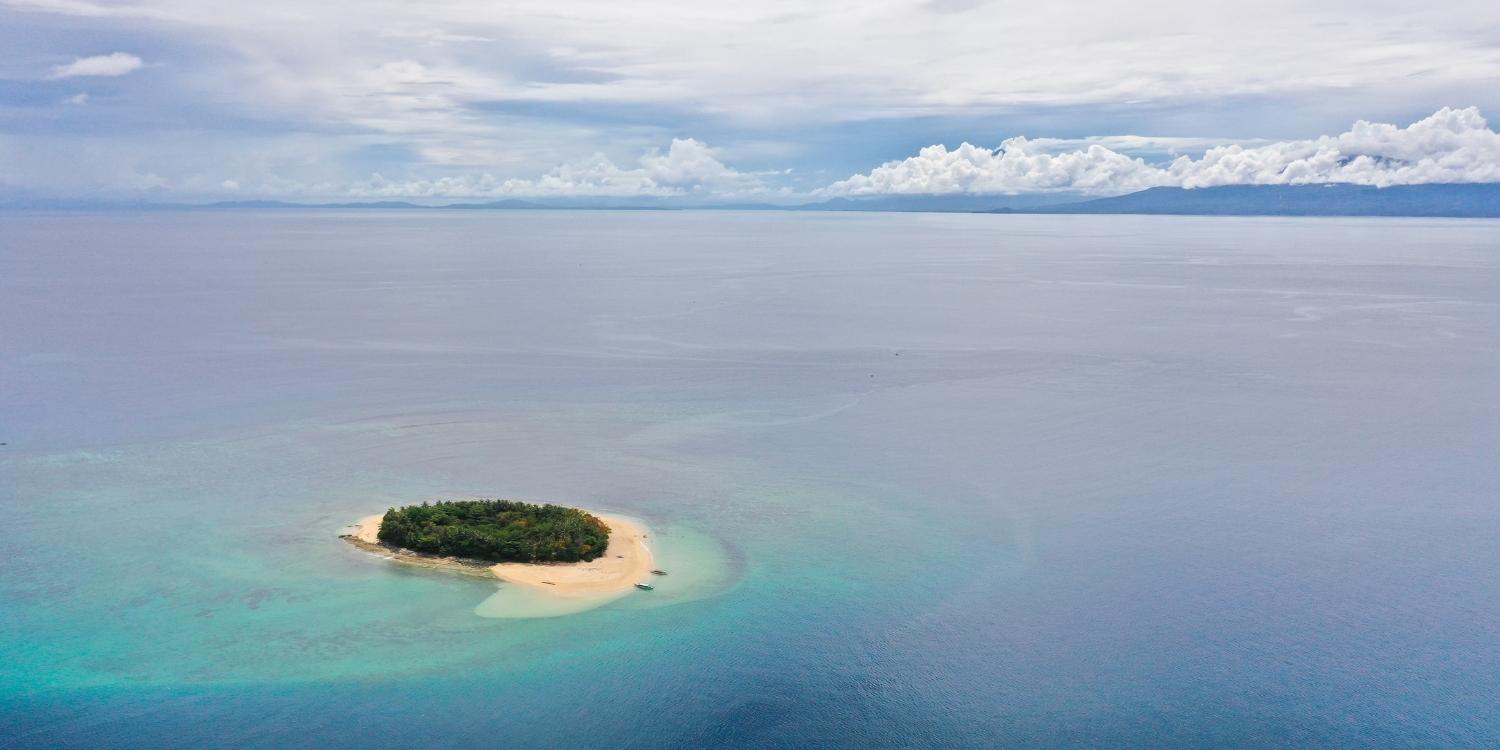
Located off the coast of Gujarat, Diu blends coastal scenery with Portuguese colonial heritage.
Unlike tropical lagoon islands, Diu offers a cultural coastal experience. It is ideal for travellers seeking character driven luxury and architectural charm rather than remote isolation.
Why It Feels Exclusive
- Lower tourist density compared to Goa
- Heritage style boutique accommodations
- Cliffside viewpoints overlooking the Arabian Sea
- Balanced tourism infrastructure
Key Experiences
- Exploring Diu Fort overlooking the sea
- Visiting Portuguese churches
- Sunset views at Nagoa Beach
- Cycling along coastal promenades
Best Time to Visit
- November to February: Pleasant temperatures
- March–May: Warm but manageable
Ideal For
- Heritage travellers
- Coastal explorers
- Offbeat beach seekers
- Weekend slow luxury escapes
Budget Overview
- Boutique stays: ₹4,000–₹12,000 per night
- Premium properties: ₹15,000–₹25,000 per night
7. Divar Island | Countryside Charm
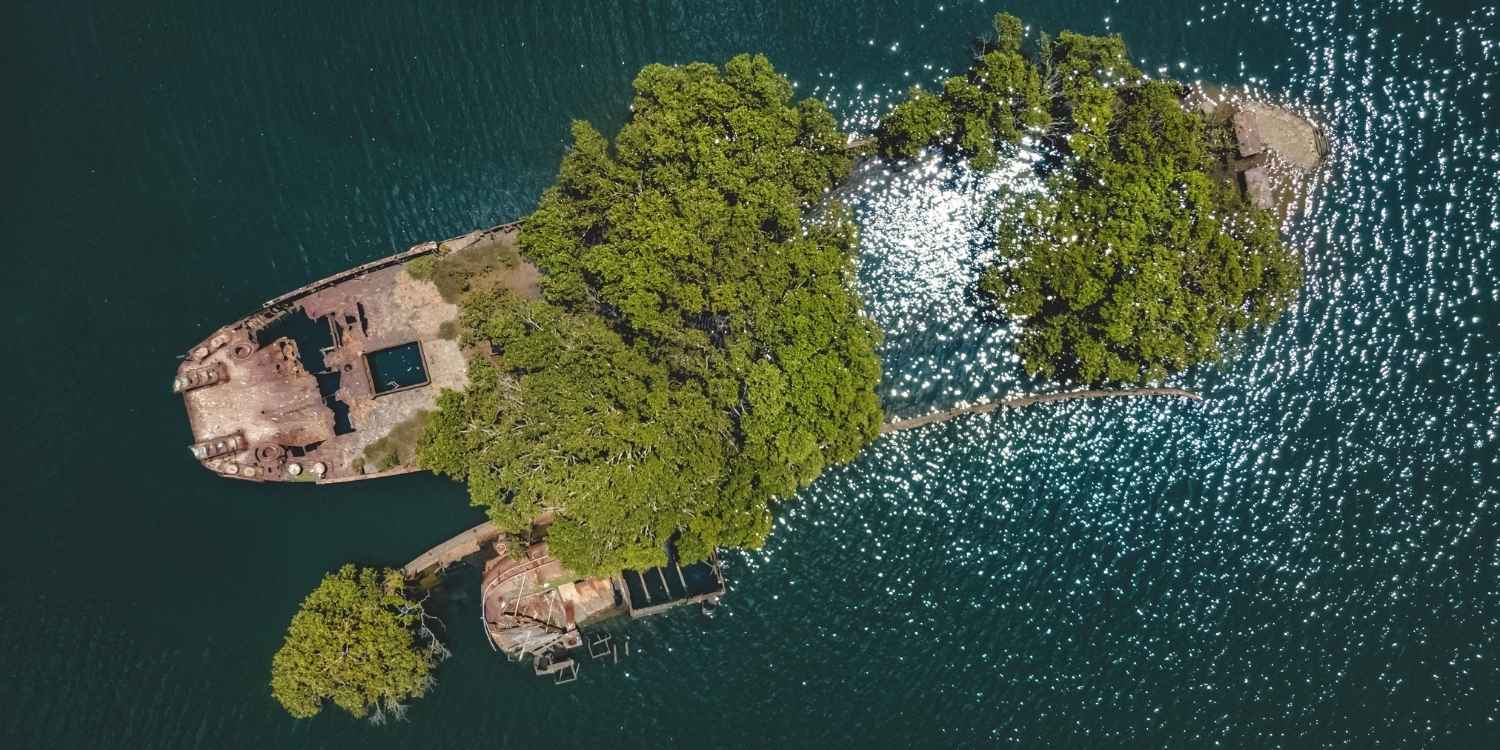
Accessible via a short ferry ride from Panaji in Goa, Divar Island feels removed from Goa’s commercial beach culture.
Divar represents countryside exclusivity river facing villas, agricultural fields, and colonial era homes define the landscape.
Why It Feels Exclusive
- No major commercial beach activity
- Quiet village atmosphere
- Limited accommodation inventory
- Riverfront calmness
Key Experiences
- Ferry crossings across the Mandovi River
- Staying in restored Portuguese villas
- Cycling through rural lanes
- Experiencing local village festivals
Best Time to Visit
- October to March: Pleasant and dry
- Monsoon offers greenery but ferry schedules vary
Ideal For
- Writers and creatives
- Couples seeking countryside romance
- Travellers avoiding Goa crowds
Budget Overview
- Heritage homestays: ₹4,000–₹8,000 per night
- Luxury villa stays: ₹12,000–₹30,000+ per night
8. Poovar Island | Estuary Escape
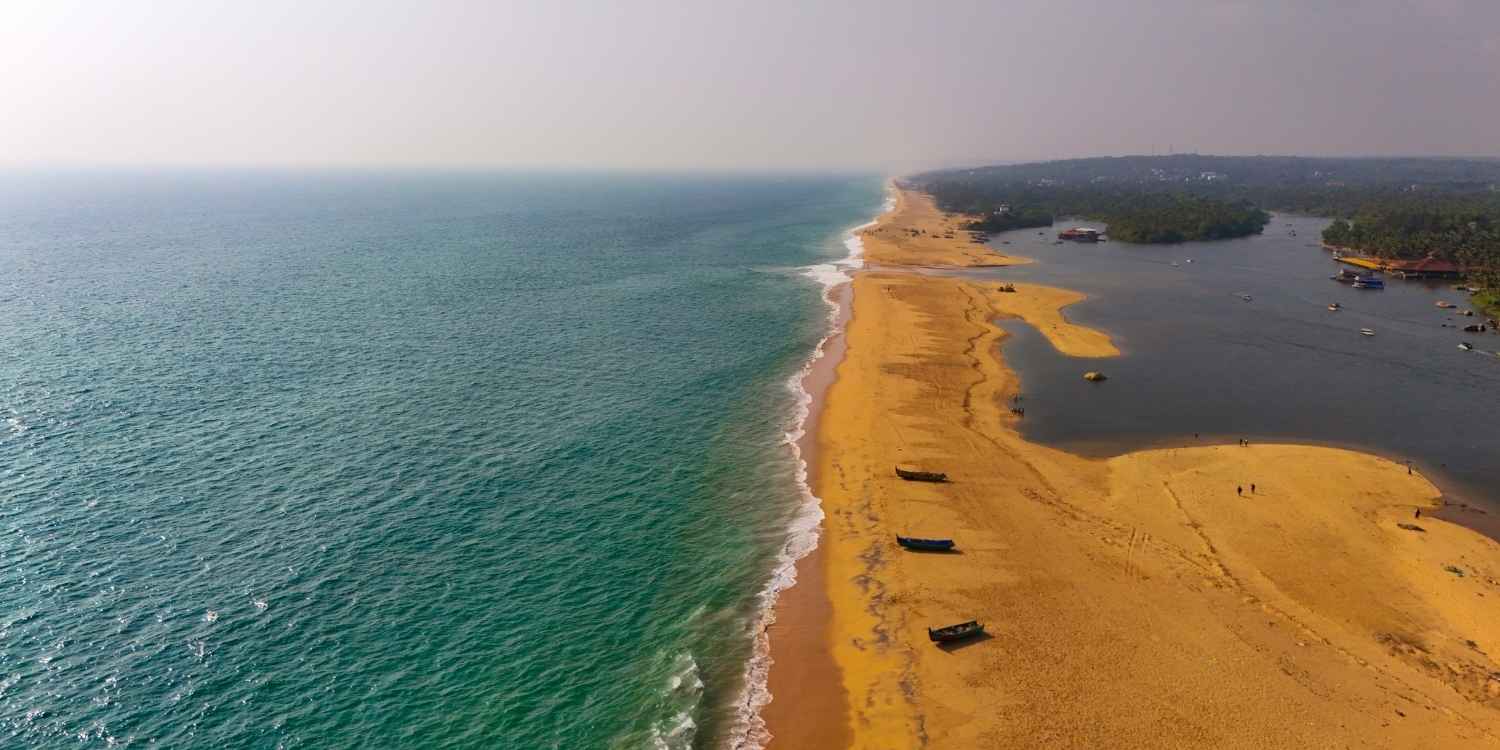
Located in southern Kerala, Poovar is where the backwaters meet the Arabian Sea.
Poovar offers a rare estuary setting, with floating cottages and river meets ocean scenery. It provides privacy through water based isolation.
Why It Feels Exclusive
- Access primarily by boat
- Floating villa accommodations
- Quiet estuary setting
- Minimal nightlife
Key Experiences
- Backwater boat rides
- Floating cottage stays
- Sunset over the estuary
- Ayurvedic wellness sessions
Best Time to Visit
- September to March: Ideal weather
- Avoid heavy monsoon periods
Ideal For
- Romantic escapes
- Wellness travellers
- Couples seeking calm luxury
Budget Overview
- Floating cottages: ₹8,000–₹18,000 per night
- Premium resorts: ₹20,000–₹40,000+ per night
9. Barren Island | Volcanic Wilderness
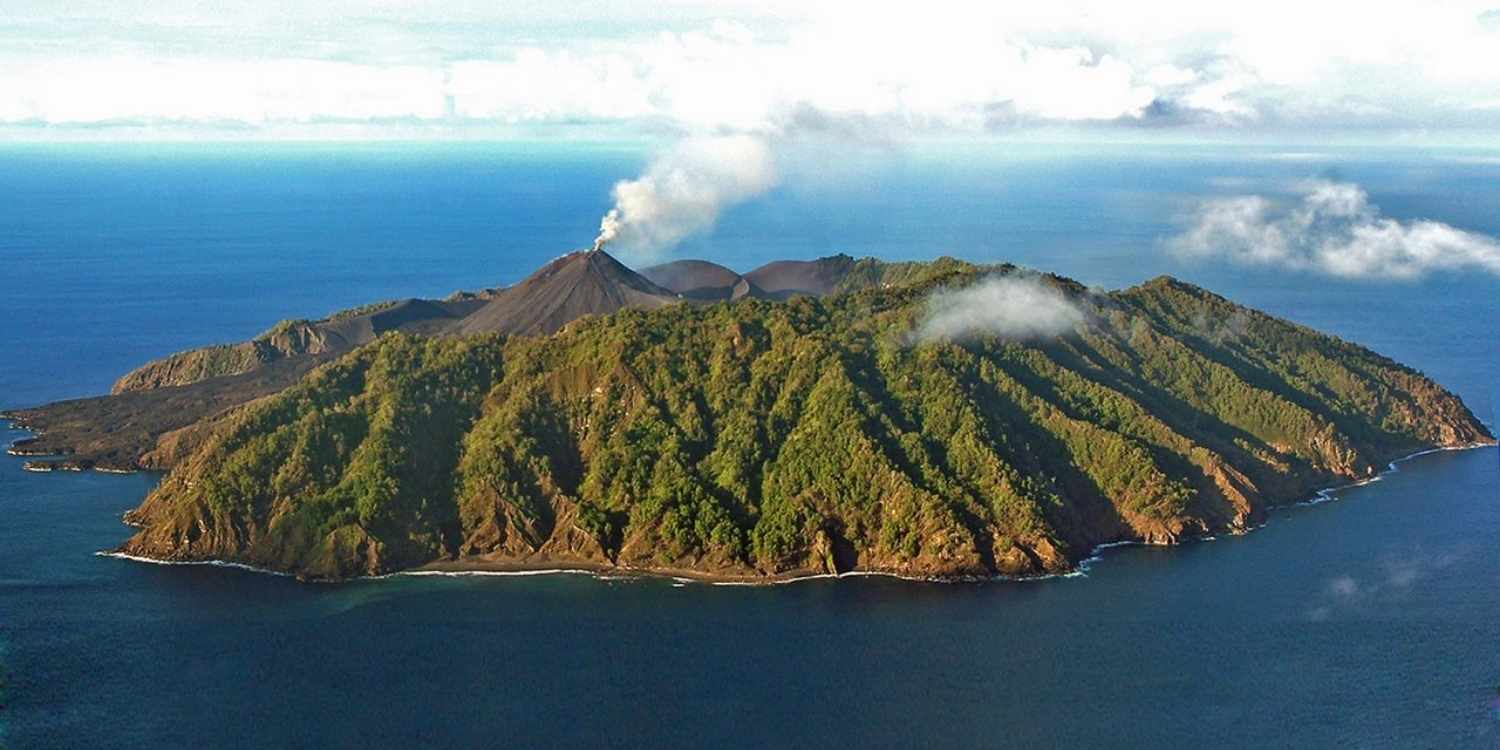
Part of the Andaman and Nicobar Islands, Barren Island is India’s only active volcano.
Unlike traditional beach islands, Barren Island offers geological exclusivity. Visitors cannot stay overnight, but authorised boat tours allow close viewing.
Why It Feels Exclusive
- Restricted entry
- No commercial infrastructure
- Rare volcanic landscape
- Open ocean isolation
Key Experiences
- Volcano sightseeing boat tours
- Marine life spotting
- Underwater diving expeditions (restricted zones)
Best Time to Visit
- November to April: Safer sea conditions
Ideal For
- Adventure travellers
- Geology enthusiasts
- Expedition style explorers
Budget Overview
- Boat tour experiences range from ₹10,000–₹25,000 per person depending on duration.
10. St. Mary’s Island | Geological Wonder
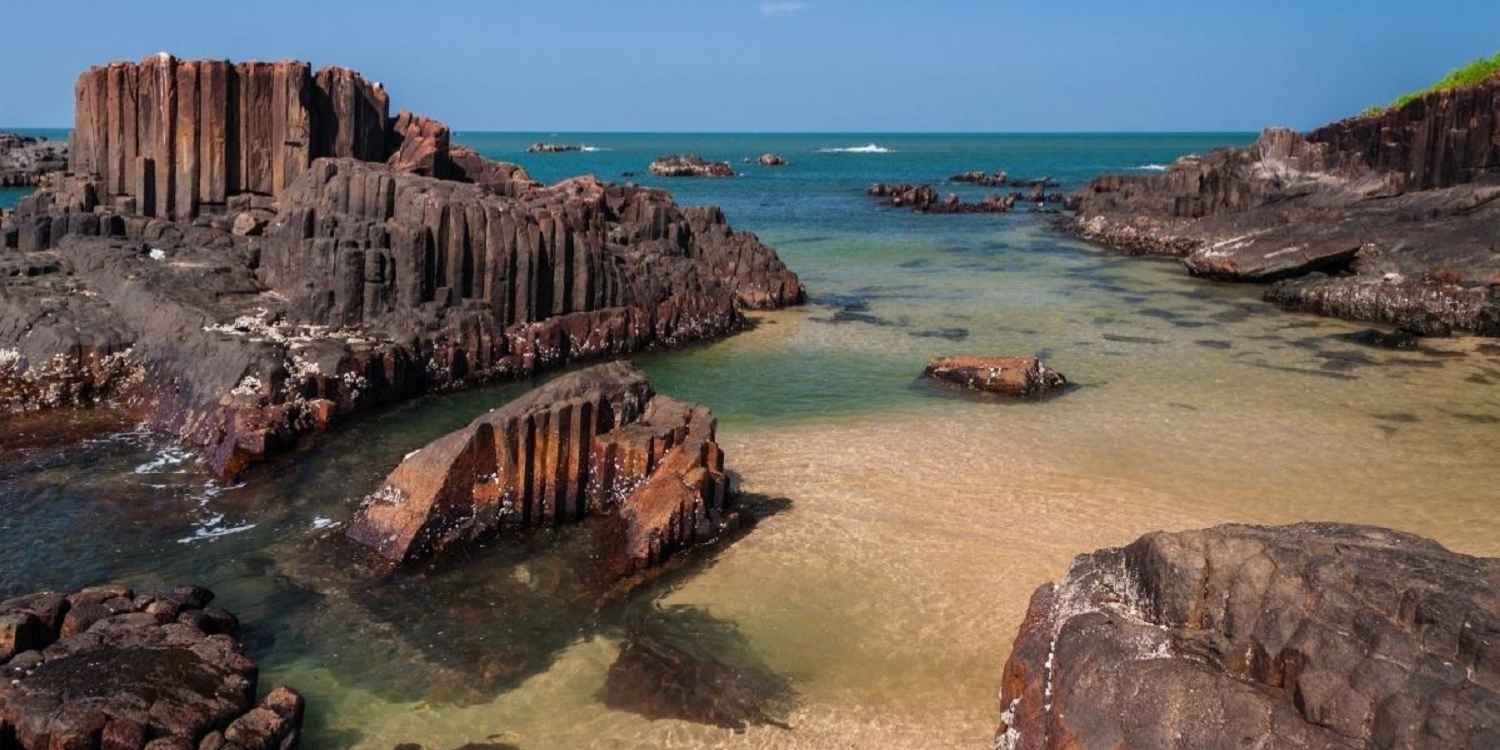
Located near Udupi in Karnataka, St. Mary’s Island is known for its hexagonal basalt rock formations.
This island offers geological uniqueness rather than resort style privacy. Access is limited to daytime boat trips, keeping crowds regulated.
Why It Feels Exclusive
- Boat only access
- Limited facilities
- Protected geological landscape
Key Experiences
- Exploring basalt column formations
- Coastal photography
- Short guided island walks
Best Time to Visit
- October to February: Pleasant coastal weather
Ideal For
- Nature photographers
- Geology enthusiasts
- Offbeat coastal travellers
Budget Overview
- Boat tickets and entry combined: ₹300–₹800 per person
- Premium stays available in nearby Udupi.
While visiting, consider exploring nearby highlights from our guide to top attractions in Karnataka.
Best Time to Visit Private Island Destinations in India
Most Indian island destinations are best visited between:
- October and March: pleasant weather
- Avoid June–September: heavy monsoons impact travel logistics
Lakshadweep and Andaman are particularly weather sensitive due to boat transfers.
Travel Planning Tips for Indian Island Escapes
- Book early during peak winter months
- Check permit requirements before confirming flights
- Avoid monsoon travel for sea dependent islands
- Choose eco certified accommodations where possible
- Plan minimum 3–4 nights for immersive experience
Frequently Asked Questions (FAQ)
1. Are there truly private island destinations in India?
India does not widely offer fully privatized resort islands like some international destinations. However, private island destinations in India provide exclusivity through controlled access, limited infrastructure, and low tourist density.
2. Do you need a permit to visit Lakshadweep?
Yes. All travellers require an official entry permit to visit Lakshadweep islands such as Agatti and Bangaram.
3. Which is the most secluded island in India?
Bangaram Island in Lakshadweep is often considered one of the most secluded due to controlled tourism and limited accommodation options.
4. What is the best time to visit Indian islands?
October to March is generally the best period for most island destinations due to calmer seas and pleasant weather.
5. Are Indian private island destinations suitable for honeymoon travel?
Yes. Islands like Agatti, Bangaram, Havelock, and Poovar are popular for honeymoon and romantic slow travel experiences.
6. Is Barren Island open to tourists?
Tourists can visit Barren Island via authorised boat tours but cannot stay overnight due to safety regulations.
7. Which private island destinations in India are best for luxury stays?
For refined luxury experiences, Bangaram Island, Agatti Island, and Havelock Island offer premium beachfront resorts, curated marine activities, and controlled visitor access. These destinations combine natural seclusion with boutique or eco-luxury accommodations.
8. Are private island destinations in India expensive?
Costs vary depending on location and access. Islands in Lakshadweep and the Andaman region may involve flight transfers and permits, increasing overall expenses. However, destinations like Divar Island or Diu Island offer more budget-friendly boutique experiences while still maintaining privacy.
9. Which Indian island is best for cultural experiences instead of beaches?
For travellers interested in heritage and community immersion, Majuli Island stands out. Unlike tropical lagoon islands, Majuli offers river landscapes, monastic institutions, and traditional Assamese culture, making it ideal for experiential and slow travel.
10. How many days are ideal for a private island trip in India?
A minimum of 3 to 4 nights is recommended for most private island destinations in India. This allows time for travel logistics, weather buffers, and immersive experiences such as marine exploration, cultural visits, or wellness activities without rushing the journey.
Choosing the Right Private Island Escape in India
With such diverse private island destinations in India, selecting the right one depends on the experience you value most. Some travellers seek coral lagoons and marine adventures, making Lakshadweep’s islands ideal for snorkelling and controlled exclusivity. Others prefer tropical beaches with boutique comfort, where the Andaman Islands offer a refined balance of accessibility and privacy. Cultural explorers may find Majuli’s riverfront heritage deeply enriching, while destinations like Divar and Poovar appeal to those drawn to countryside calm and estuary serenity rather than open sea drama.
Season and logistics play a key role in planning. Most islands are best visited between October and March, when sea conditions are favourable and travel disruptions are minimal. Permit requirements should also be reviewed in advance for a smooth journey.
Private island travel in India is not about extravagance alone, it is about meaningful escape, slower rhythms, and landscapes that allow space to disconnect and truly unwind.