

When winter arrives in India, it brings with it a hush that settles gently across the forests. Mist clings to the grasslands, dew sparkles on fallen leaves, and the golden morning light filters through canopies alive with birdsong. This is when the wild truly awakens.
India’s national parks are among the most diverse in the world — home to tigers, lions, elephants, rhinos, leopards, and countless species of birds. In winter, the weather turns ideal for safaris: the air is crisp, the landscapes vivid, and visibility at its best. Every forest tells a different story — of life, survival, and grace.
Here are India’s most enchanting wildlife safaris to experience this winter, where adventure meets tranquility, and the rhythm of nature sets the pace.
 Plan your holiday
- Ranthambore National Park
- Kaziranga National Park
- Kanha National Park
- Gir National Park
- Bharatpur Bird Sanctuary
- Tadoba-Andhari Tiger Reserve
- Sundarbans National Park
- Jim Corbett National Park
Ranthambore National Park, Rajasthan
 Plan your holiday
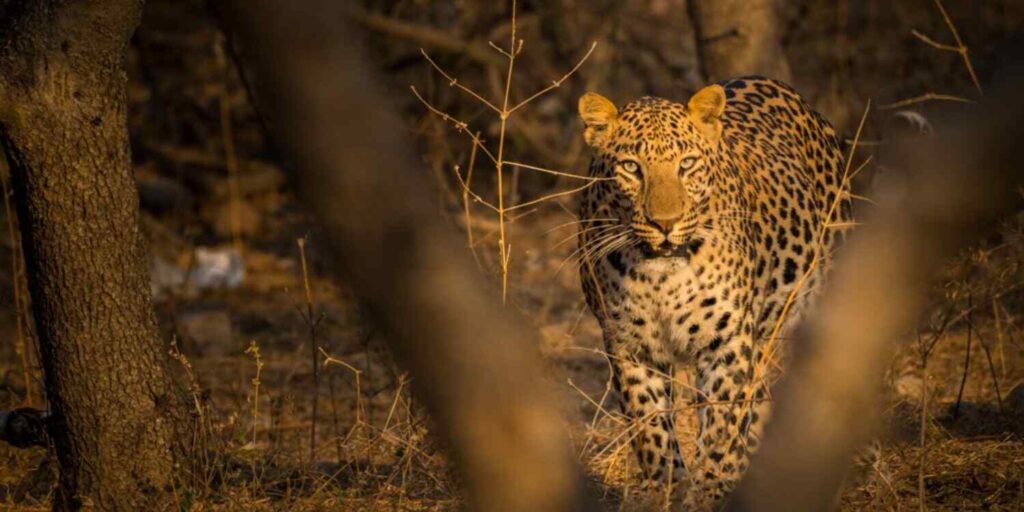
Once the private hunting grounds of Rajput kings, Ranthambore is now one of India’s most celebrated tiger reserves — a place where history and wilderness live side by side. The ruins of ancient palaces, crumbling watchtowers, and the majestic Ranthambore Fort rise over forests teeming with life. Lakes like Padam Talao reflect the early sunlight, while the sound of peacocks echoes across the valleys.
Winter is the most rewarding season to visit. With clear skies and comfortable temperatures, sightings of the Bengal tiger become frequent near the park’s watering holes. Beyond tigers, you may spot sloth bears, leopards, langurs, and marsh crocodiles. Ranthambore also houses more than 300 bird species — from painted storks to Indian rollers — making it
Read More About The Spice Route: Discovering India’s Culinary Heritage | Travel.RethinkWays
Kaziranga National Park, Assam
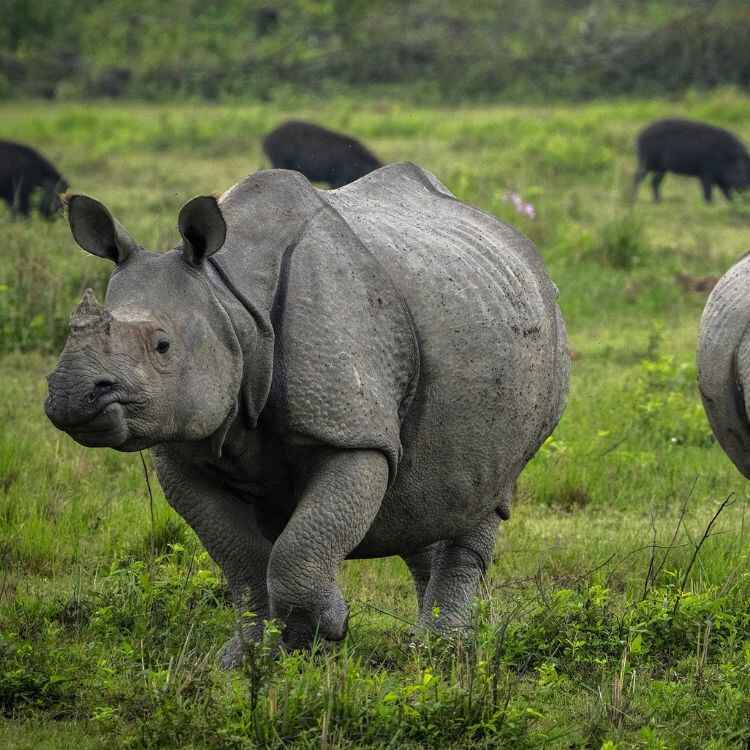
Kaziranga’s vast floodplains, nourished by the mighty Brahmaputra River, form one of India’s richest wildlife ecosystems. A UNESCO World Heritage Site, the park is home to over two-thirds of the world’s one-horned rhinoceroses. The winter months offer clear skies, lush grasslands, and calm weather — perfect for exploring this wilderness of giants.
Morning safaris reveal rhinos grazing peacefully in the mist, while herds of elephants move gracefully through the tall grass. The park also shelters tigers, swamp deer, and wild buffaloes, along with over 500 species of birds. The contrast between the golden grass, blue rivers, and grey rhinos makes Kaziranga one of the most photogenic destinations in India. Elephant-back safaris and river cruises provide unforgettable perspectives of its untamed beauty.
Read More About South Indian Secrets: From Dosa to Filter Coffee | Travel.RethinkWays
Kanha National Park, Madhya Pradesh
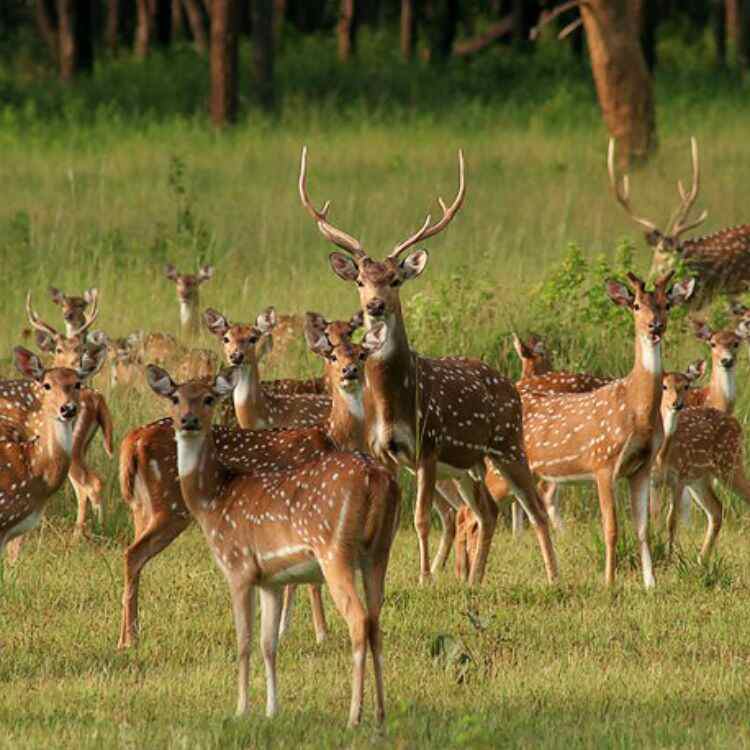
Immortalized as the setting of The Jungle Book, Kanha captures the soul of India’s wilderness. Its landscapes are picture-perfect — rolling meadows, dense sal forests, and sun-dappled streams. The park is renowned for its successful tiger conservation efforts and its thriving population of barasingha (swamp deer), a species once on the brink of extinction.
Winter in Kanha brings magic to every corner. The cool air carries the scent of bamboo and wild grass, while golden light filters through the forest canopy. Morning safaris are serene yet thrilling — spotting a tiger padding across the misty meadows is an experience few forget. Apart from tigers, visitors often see leopards, wild dogs, and gaur. Kanha’s tranquility, paired with its rich biodiversity, makes it one of the most rewarding wildlife experiences in India.
Read More About Exploring the Flavors That Define Our World | Travel.RethinkWays
Gir National Park, Gujarat
 Plan your holiday
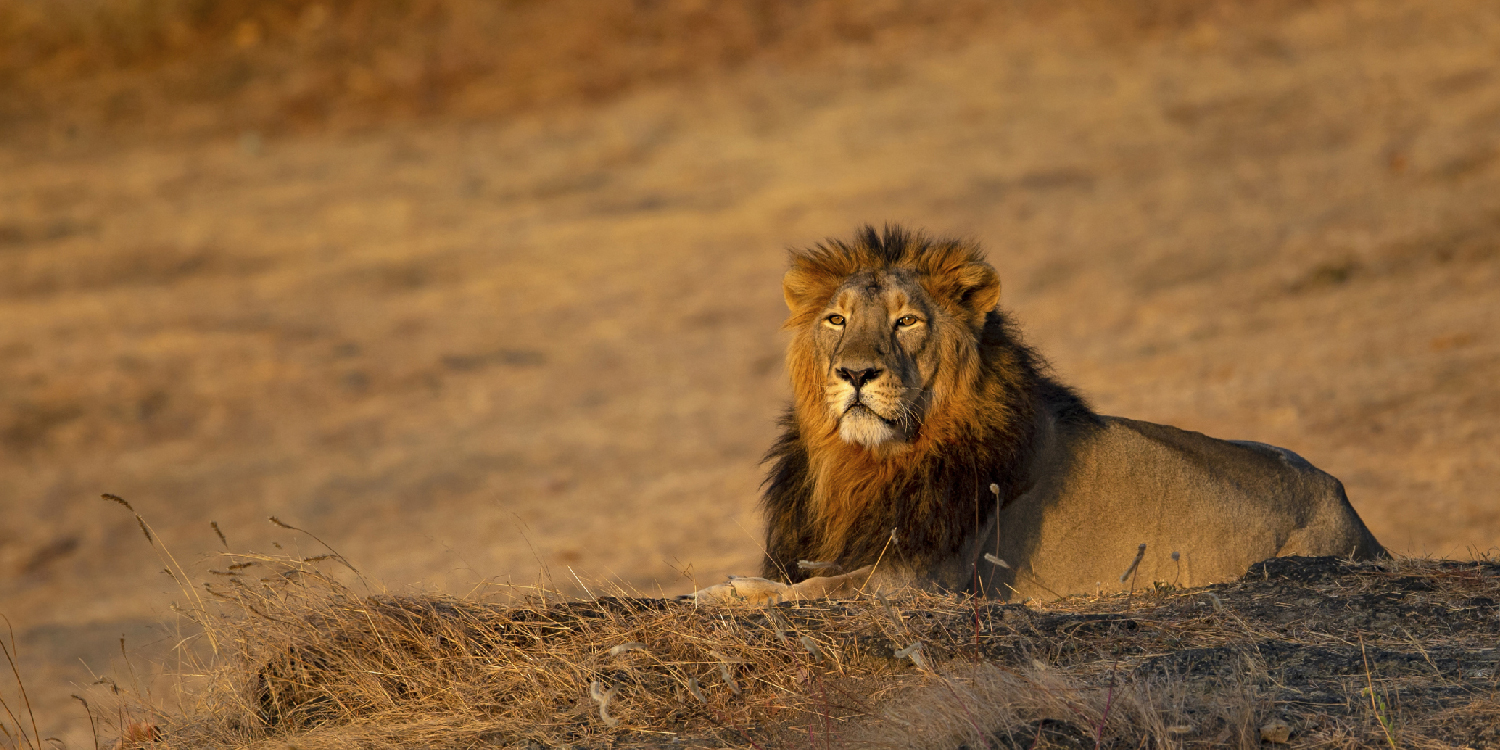
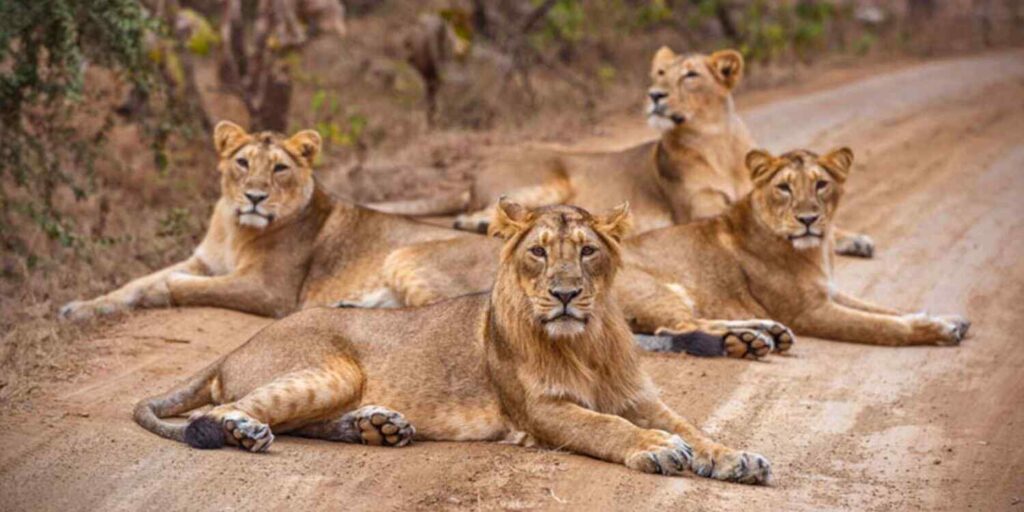
Gir is a living symbol of India’s conservation success. The last home of the Asiatic lion, this dry deciduous forest in Gujarat offers a unique safari experience distinct from the tiger-dominated parks elsewhere in the country. Spread across rocky hills and riverine patches, Gir’s rugged landscape adds to its charm and challenge.
In winter, Gir is at its most inviting — the weather is cool, and the animals are easy to spot basking in the sun. Apart from lions, the park is home to leopards, hyenas, deer, and over 300 species of birds. The thrill of seeing a pride of lions emerge from the dry brush, with the golden morning light illuminating their manes, is an unforgettable moment. Gir is not just a sanctuary — it’s a testament to coexistence and survival.
Read More About Awaken Your Senses: 2026 Multisensory Voyages That Redefine Travel | Travel.RethinkWays
Bharatpur Bird Sanctuary, Rajasthan
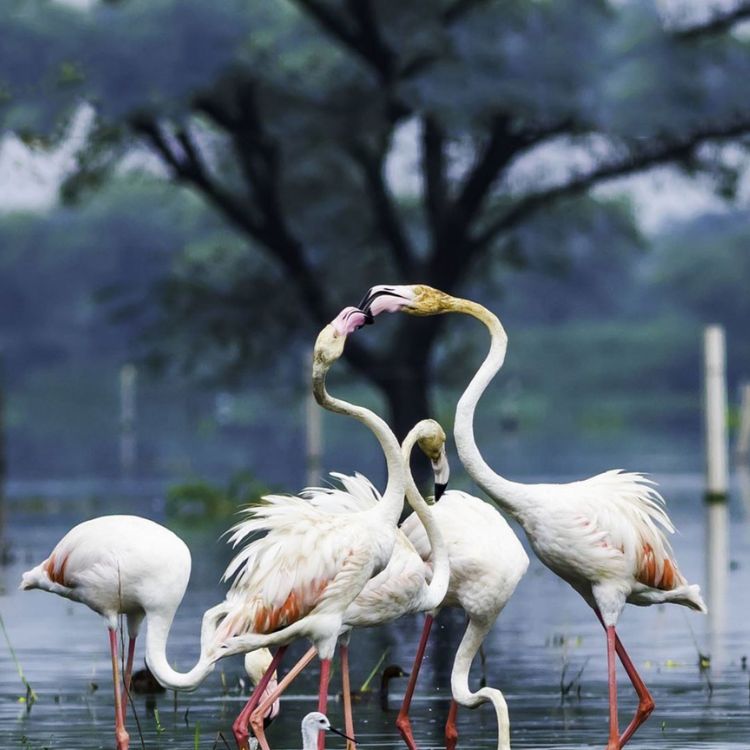
Every winter, the wetlands of Bharatpur come alive with wings. Declared a UNESCO World Heritage Site, this sanctuary is one of the world’s finest birding destinations. Its mosaic of marshes, grasslands, and woodland attracts thousands of migratory birds, including Siberian cranes, pelicans, geese, and flamingos.
A walk or cycle ride through Bharatpur in the soft winter light is pure magic. The air vibrates with calls and wingbeats, while the ponds shimmer with reflections of birds in flight. It’s not uncommon to see painted storks nesting beside deer grazing quietly nearby. Bharatpur is a gentle reminder that wilderness doesn’t always roar — sometimes, it sings.
Read More About Tourist VISA For Indians – A Complete Guide | Travel.RethinkWays
Tadoba-Andhari Tiger Reserve, Maharashtra
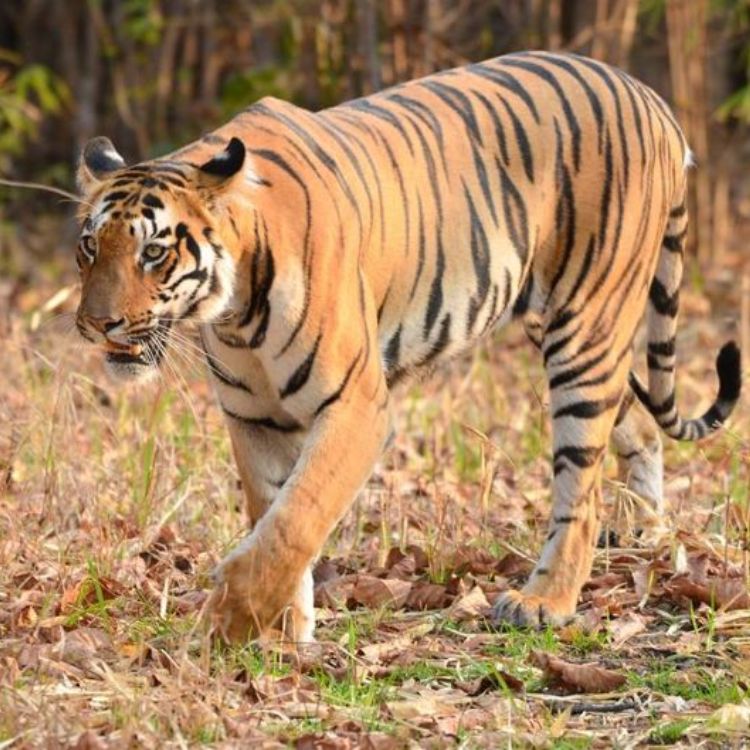
Lesser known but immensely rewarding, Tadoba is Maharashtra’s oldest and most vibrant tiger reserve. Its rugged terrain of teak forests, bamboo thickets, and lakes provides the perfect backdrop for adventure. Fewer crowds and abundant wildlife make it an ideal destination for those seeking an authentic safari experience.
Winter mornings in Tadoba are serene — mist rising off the lake, sunlight filtering through tall trees, and the echo of distant calls. Apart from tigers, the park shelters leopards, sloth bears, Indian gaur, and over 200 species of birds. The Telia and Moharli zones are particularly known for regular tiger sightings, often near the water’s edge. Each safari here feels personal, raw, and deeply connected to nature.
Read More About Bloom Trails: Best Spring Destinations in India 2026 | Travel.RethinkWays
Sundarbans National Park, West Bengal – Where Land Meets the Tide
 Plan your holiday
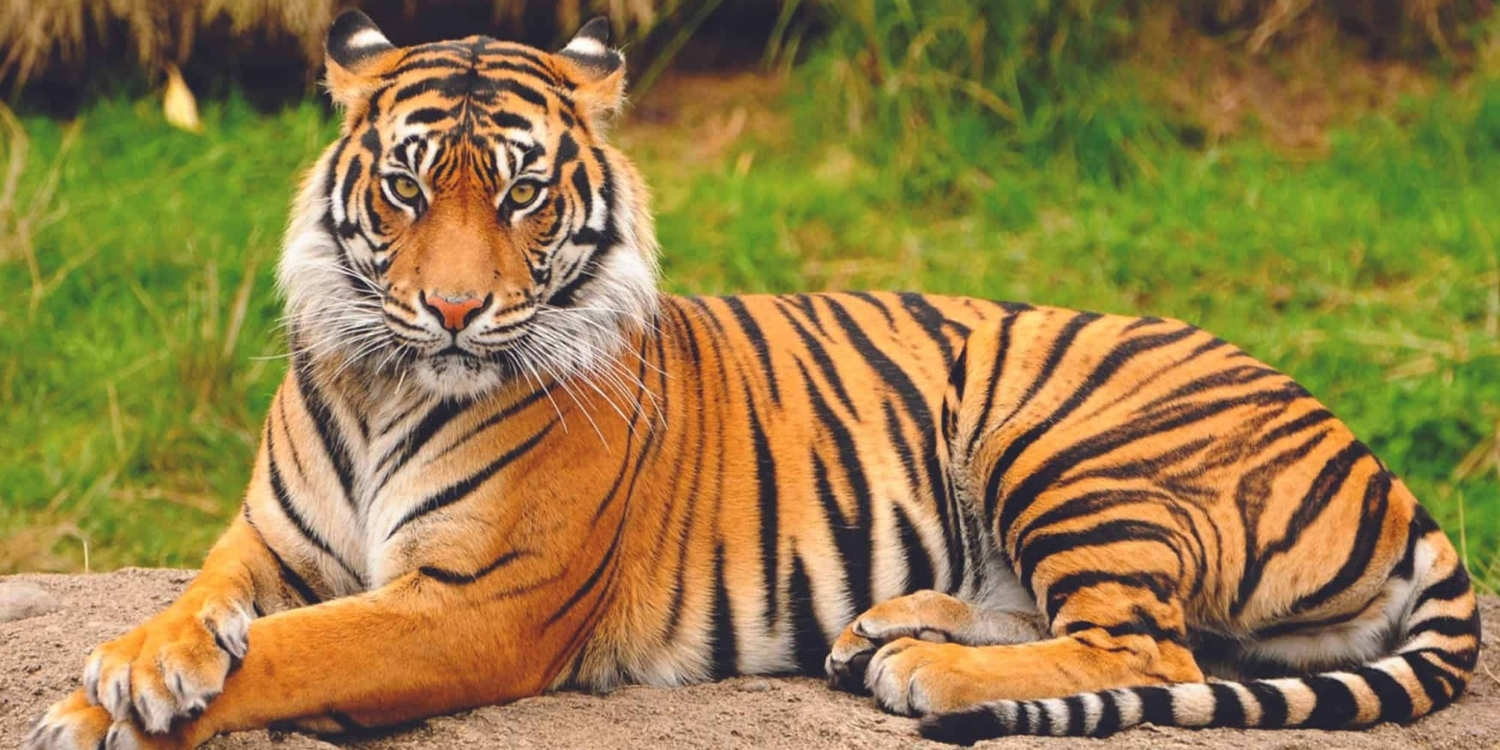
The Sundarbans is not just a forest — it’s a living, breathing mystery. Formed by the meeting of the Ganges, Brahmaputra, and Meghna rivers, this UNESCO World Heritage Site is the world’s largest mangrove ecosystem and home to the legendary Royal Bengal Tiger.
Winter brings calm tides and clearer skies, making it the best season for exploration. Safaris here take place by boat, drifting through narrow creeks flanked by dense mangroves. The silence is profound, broken only by the splash of water or the call of a kingfisher. The thrill of spotting a tiger’s shadow along the riverbank is unmatched. The Sundarbans also teem with crocodiles, spotted deer, and vibrant birdlife, offering a safari experience found nowhere else on Earth.
Read More About Golden Season: Where to Travel in India this Autumn 2026 | Travel.RethinkWays
Jim Corbett National Park, Uttarakhand
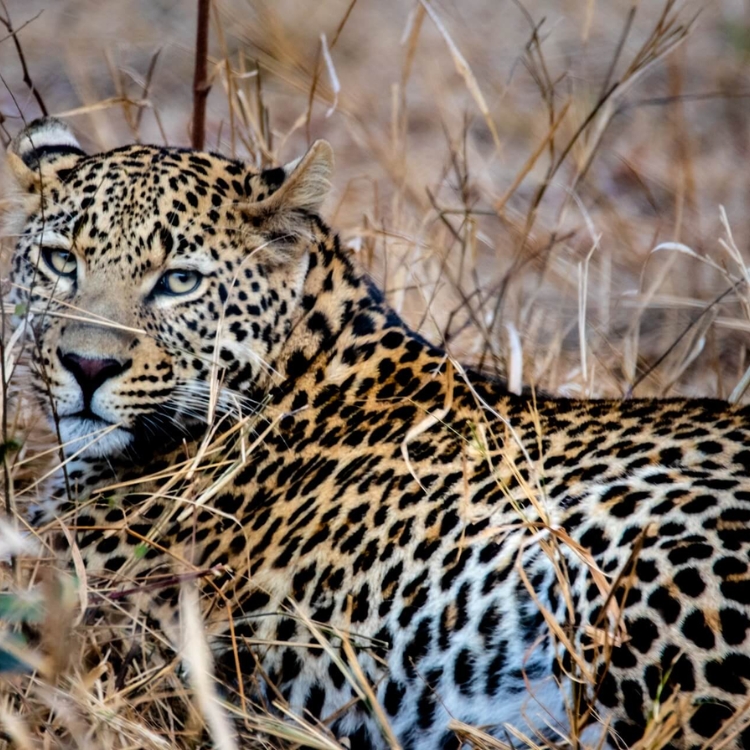
Established in 1936, Jim Corbett is India’s first and most legendary national park. Nestled at the foothills of the Himalayas, its scenery is breathtaking — dense sal forests, glistening rivers, and grasslands that stretch toward distant misty peaks. The Ramganga River flows through its heart, drawing herds of elephants, deer, and the park’s most famous resident — the tiger.
Winter transforms Corbett into a tranquil haven. The crisp mornings and foggy riverbanks create an atmosphere of mystery and beauty. Visitors can explore different zones — Dhikala being the most famous for its tiger sightings and riverside lodges. The park is also a paradise for birdwatchers, hosting over 600 species including hornbills, kingfishers, and migratory ducks that arrive from Siberia and Central Asia.
Planning a romantic winter escape? Explore cozy couple activities in our Web Story.
India’s wilderness is a mirror — reflecting the grandeur and fragility of nature.
In winter, every forest hums with life: tigers stride through amber grass, elephants wander by shimmering rivers, and migratory birds turn the skies into poetry. Each safari is not merely an adventure but a dialogue — between silence and sound, wilderness and wonder.
So this winter, step off the map and into the wild. Because sometimes, the truest warmth of the season isn’t found by a fire — it’s found in the golden light of a forest morning.
Next Stop
Best Places in India to Visit in March 2025 for Vacations | Travel.RethinkWays