







The capital city of Paris is filled with remarkable monuments. It covers all the special attractions, like natural phenomena, architectural marvels, historical and heritage sites, cultural and modern attractions, and the most romantic atmosphere. Paris has the most romantic atmosphere, so it is called the “City of Lights” and the “City of Love.”
 Plan your holiday
- Arc de Triomphe
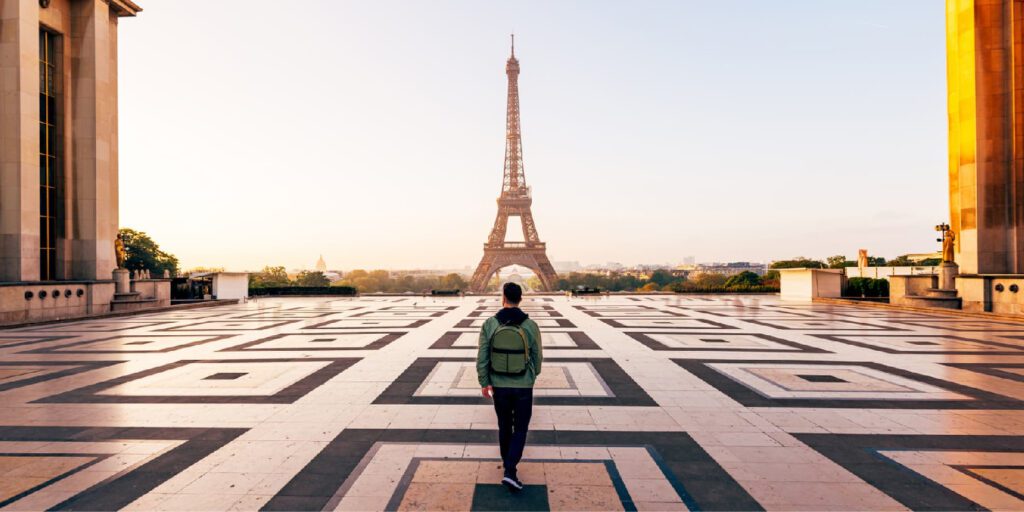
- Eiffel Tower
- Jardin du Luxembourg
- The Louvre
- Montmartre
- Musee Rodin
- Musee d’Orsay
- Palace of Versailles
- Palaise Garnier Opéra National de Paris
- Seine River

The Arc de Triomphe | Eternal Triumph
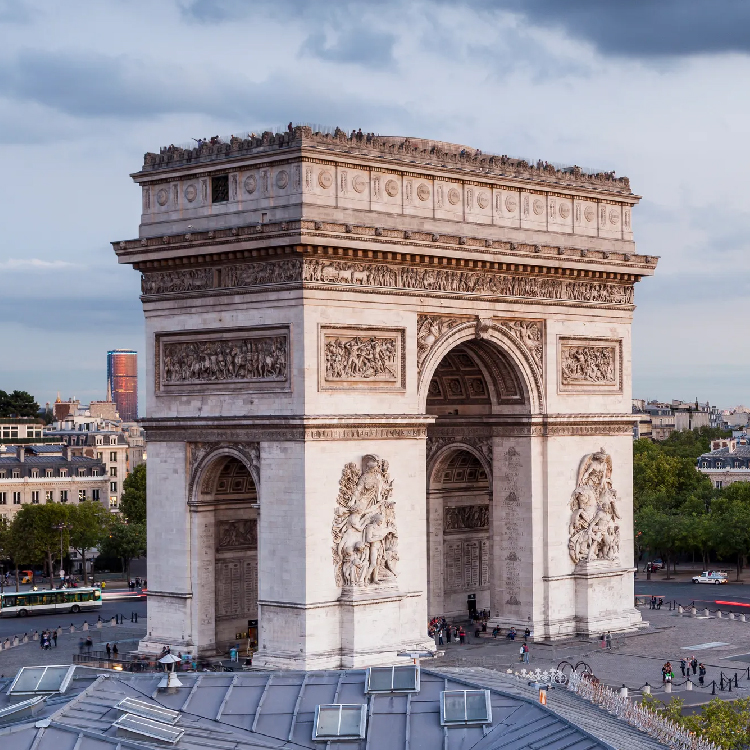
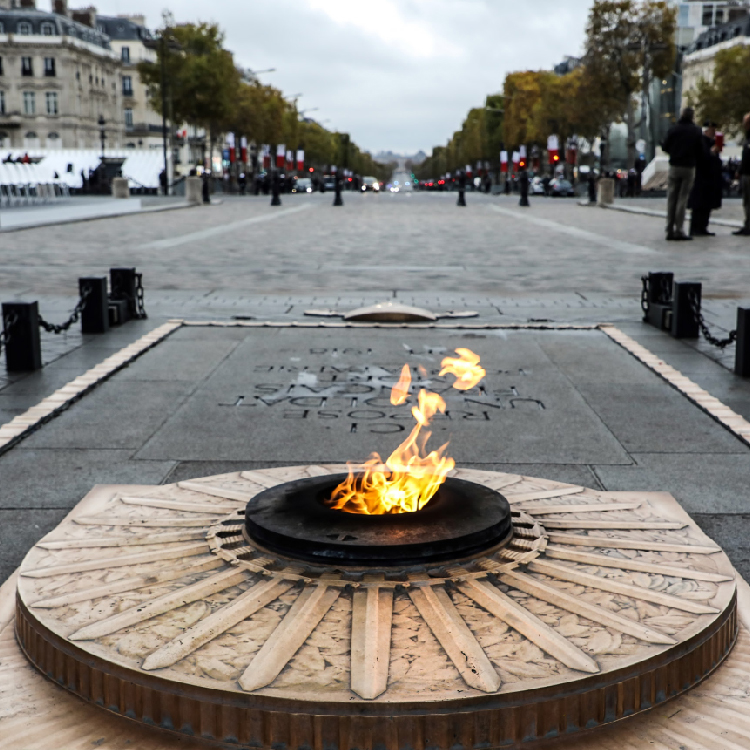
It is a monument built for the honourable and brave people who fought and died in the Battle of the Napoleonic Wars. It was built during the French Revolution. The surfaces of the Arc de Triomphe are inscribed with all the victories and names of senior army authorities (generals) at the top and the unknown soldier at the bottom. This structure was under Napoleon’s commission. As one of the largest arches in the world, it stands 162 feet tall and 150 feet wide. Its construction started on August 15, 1806 it opened on July 29, 1836. A memorial flame was also planned to be rekindled daily. Then the patriotic structure stands in Place Charles de Gaulle became a site for national celebrations.
Eiffel Tower | Iconic Heights
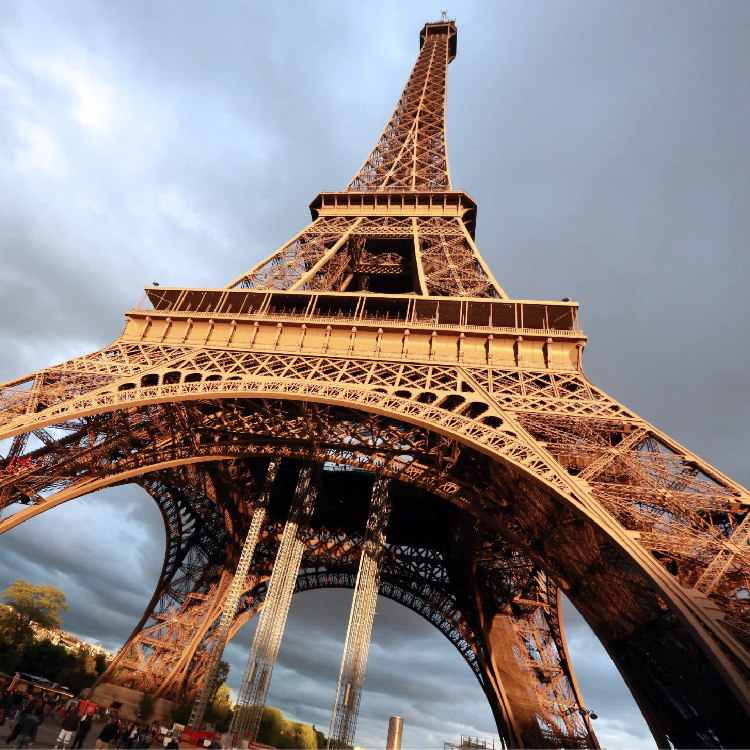
When hearing Paris, the first thing that comes to mind is the “Eiffel Tower,” located in the 7th arrondissement. The reason behind its name is the French engineer and entrepreneur Gustave Eiffel, who built the tower. On January 28th, 1887, construction began. The tower is 330 metres tall, with a television antenna on top. There are steps and elevators to serve as an observation deck. The tower was also used for radio transmission. Currently, it is used for both radio and television signal transmission, as well as observatory decks. On one to two levels, it has restaurants. There are no restrictions to explore the steps. The wrought iron material used to build the Eiffel Tower is specialised in the process of removing excess carbon molecules. It has a great ability to resist corrosion with a sustainable coating and thick paint.
Jardin du Luxembourg | Serene Splendor
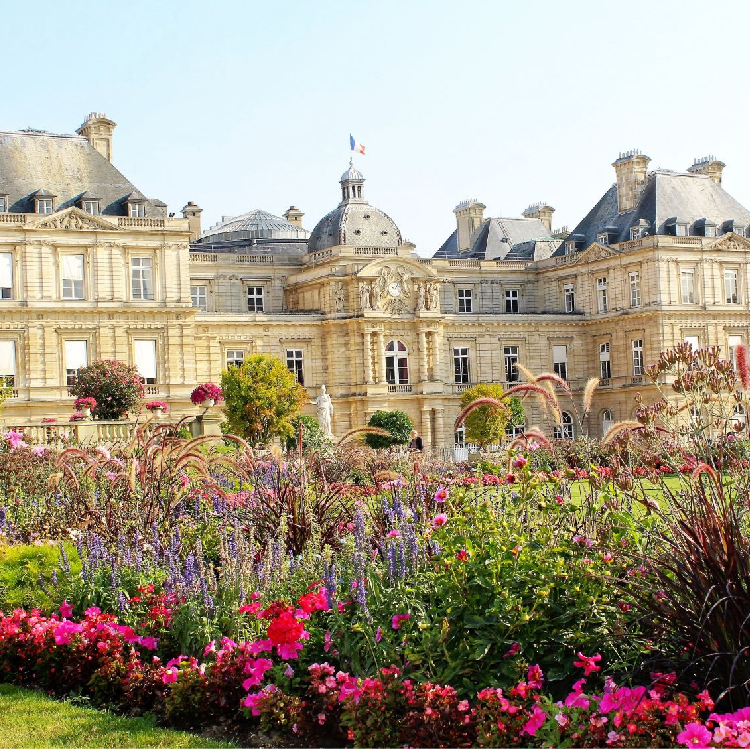
One of the famous tourist spots in Paris with a complete picnic ambience is the Jardin du Luxembourg. It’s a garden that is also known as the Jardin du Senat and is located in the 6th arrondissement. Once, the Palace was the residence of the wife of King Henry IV, Marie de Medici. With a great garden, its construction was established in 1612. It was planted with 2,000 trees. A Medici Fountain was constructed in 1630 within the 8 hectares of the garden. It has a calm atmosphere with lush green scenery. Currently, it covers around 23 hectares of land. Florence Boboli Garden was the inspiration for Luxembourg Garden, where the queen spent her childhood. There was a circular basin that offered lavish wooden boat rides.
Louvre Museum | Timeless Treasures
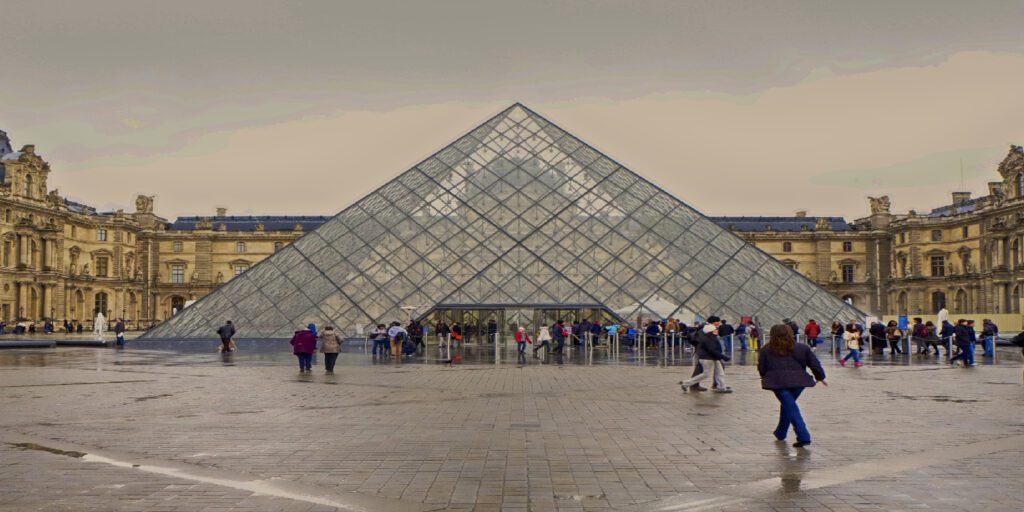
The Louvre is a fantastic museum located in the Musee du Louvre on the Seine River in Paris. It holds a great collection of artwork. This historic site is “the most visited museum” in the world. Millions of visitors explore the Louvre every year. During the French Revolution, the Louvre was opened as a museum on August 10, 1793. It started as a public exhibition with 537 paintings. Now it covers almost 60,600 square metres of area. The museum showcases almost 35,000 artworks, including the world-famous paintings The Raft of the Medusa and The Mona Lisa. Initially, it served as a fortress in the 12th century. In 1682, the government transformed it into a palace and used it for more than 200 years. In 1802, they renamed it the Napoleon Museum, as he aimed to establish it as the world’s best museum with thousands of artworks from various countries.
Montmartre | Parisian Pinnacle
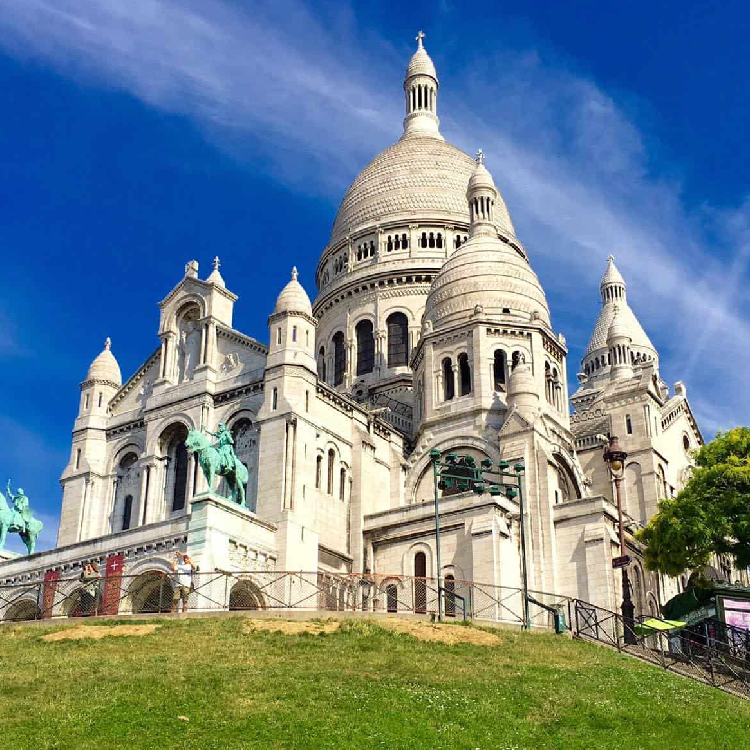
Montmartre is a hill district in the 18th arrondissement of northern Paris. The height of the ancient hilltop is 130 meters. There are many tourist attractions in Montmartre. Sacre-Coeur Basilica, the Roman Catholic Church known as the Sacred Heart of Jesus, stands as one of the famous monuments on the Montmartre summit. Its location plays a vital role in tourism. This 18th-century structure, completed in 1939, houses the history of French politics. It’s a 272-foot-tall structure that is not only a cultural monument; it also represents France’s defeat in the Franco-Prussian War. Awe-inspiring views of the architectural structure and its spectacular surroundings are open to visitors.
Musee Rodin | Sculpted Legacy

Museé Rodin was founded by Auguste René Rodin. He was a person who had a huge interest in unique craftsmanship and an antique collection of creative items. Rodin’s monumental sculptures, such as The Thinker, The Gates of Hell, The Kiss, and The Mature Age, are on display. Every year, thousands of people visit the museum, which houses 8,000 drawings, 25,000 photographs, and over 6,500 sculptures. The Rodin Museum is a 17th-century building that served as a hotel. In the 18th century, various owners acquired it and used it for different purposes. Rodin rented four floors of the building and later the whole building in 1904. When the building’s owners planned to sell the building, Rodin explained to them about the dedication of his collection of sculptures, including his creations, paintings and drawings. Then they decided to convert the hotel and the garden around it into a museum.
The Musee d’Orsay | History Meets Art
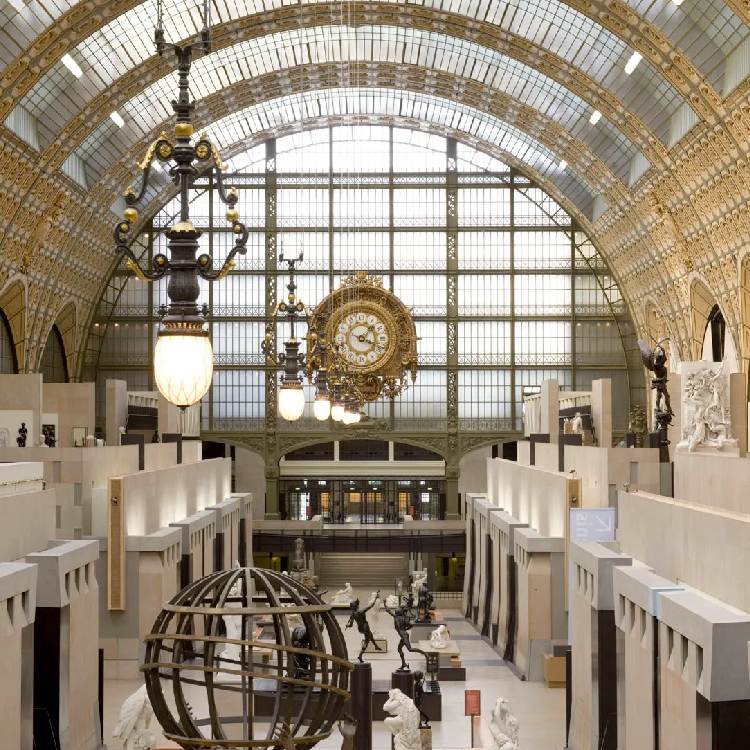
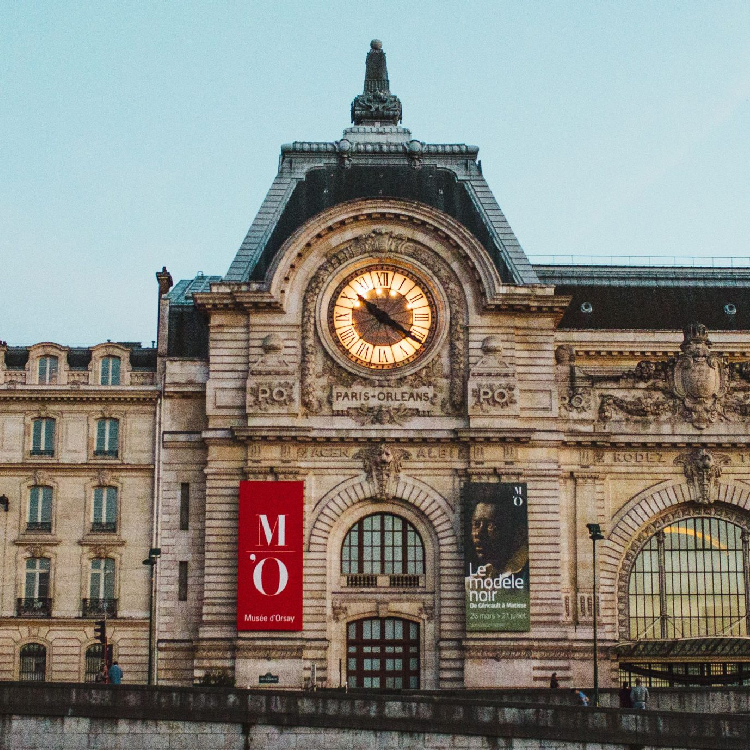
A famous museum located on the left bank of the River Seine is the Musée d’Orsay. It is a large art museum with artworks from the 18th and 19th centuries, including dated French paintings, art, and sculptures. Nearly one million people per year have visited the museum in the last few years. Initially, it was a railroad station building until 1939. Then, officials used it for suburban services. It also served as a mailing centre during World War II. Filmmakers shot many movie scenes in the area. After authorities recognised it as a historical monument in 1978, they planned to turn it into a museum. Renovation and construction work took nearly 8 years. It was opened in 1986 with a collection of 600 sculptures and around 2000 paintings. Visitors can explore it every day except Monday.
Palace of Versailles | Grandeur of Royalty
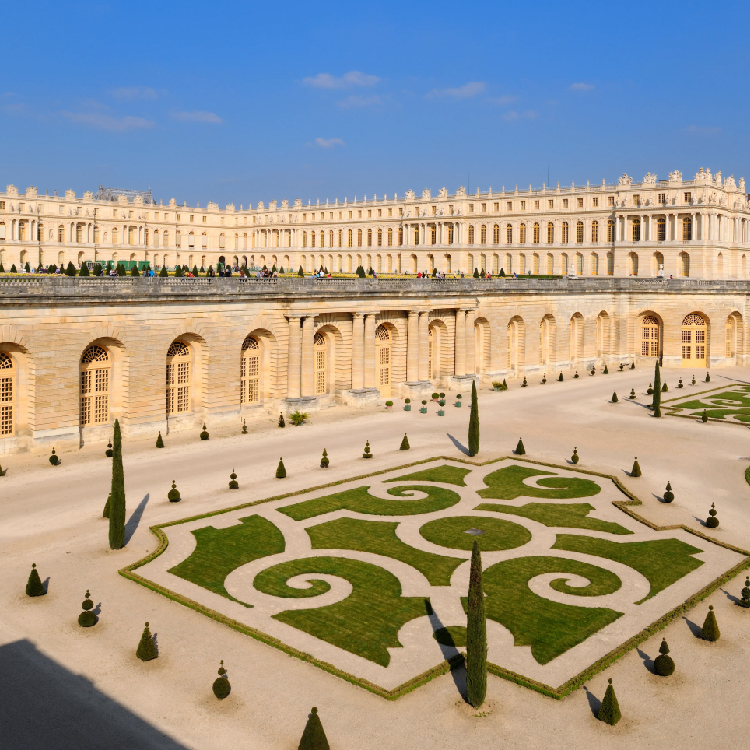
The Palace of Versailles is a world-famous museum located 16 kilometres from Paris. The floor area of the palace is 63,154 square metres. This palace contains 2300 rooms. Parks and gardens cover 800 hectares of land. You can witness fountains and statues in the garden. Galleries with great sculptures and masterpieces showcase “All the Glories of France”. The Hall of Mirrors in the palace contains 357 mirrors. More than 10 million people visit this admirable “Palace Museum” every year. The French monarch, Louis XIII, built it as a hunting lodge in 1623 and later transformed it into a chateau in 1634. Then, Louis XIV expanded it into a palace from 1661 to 1715. It holds the grand history of the French Monarchy. In 1837, King Louis Philippe ordered its establishment as a museum.
Palaise Garnier | Timeless Grandeur

Napoleon built the Salle des Capucines entertainment building for the Paris Opera from 1861 to 1875. In honour of Charles Garnier, the architect of the building, officials named it the Opéra Garnier. This 19th-century French theatre with a horseshoe-shaped auditorium and amazing ornamental decorations gives off such a royal effect. The grand ceiling with colourful paintings was eye-catching. This library museum holds 300 years of history. The Opera Garnier gallery showcases exciting photographs, paintings, drawings, and 380 performances, as well as many opera concerts.
Seine River | Parisian Serenity
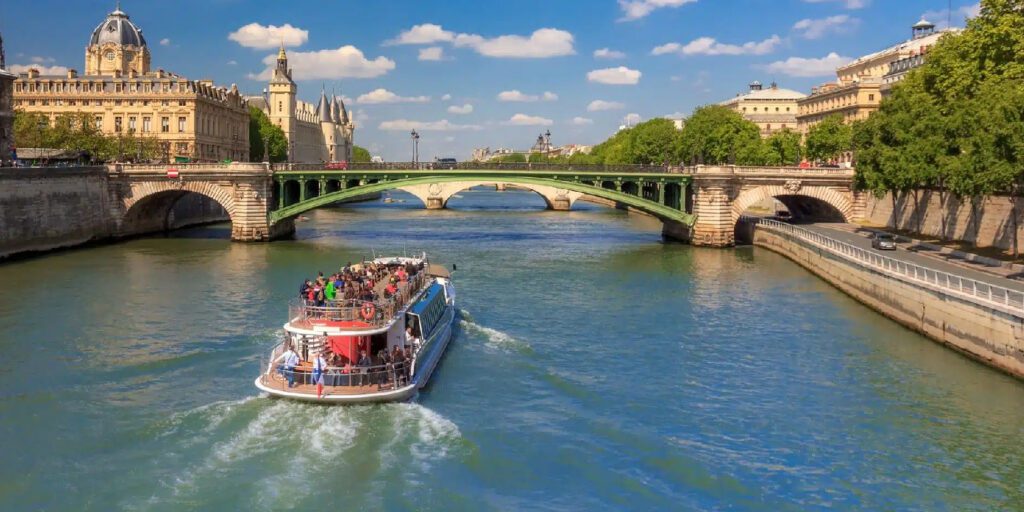
The second-longest river in the country is the Seine River. Its length is 777 km, and it flows for 13 km from west to east of Paris. It runs through Paris and Le Havre. The Langres Plateau is the origin of the river, which flows into the English Channel. It offers magnificent scenery and boat cruises. Artists frequent the fascinating and historic bridges of Pont Neuf, Pont Alexandre III, and Pont des Arts, which connect the banks of the Seine. The bank of the river is a famous picnic spot among visitors, offering scenic views. Specifically, the left bank is La Rive Gauche, and the right bank is Rive Droite. The Louvre Museum, Arc de Triomphe, and many other great French monuments stand along the banks.
Let’s keep going — Read the Next.
Travelling soon? Let Us Make it Easier.