

India is not a one season destination. With the Himalayas in the north, tropical coastlines in the south, deserts in the west, and lush hills in the northeast, the best time to visit India depends entirely on where you’re going and what kind of experience you’re seeking.
From cool winter escapes and summer hill retreats to monsoon greenery and festive autumn charm, every season offers something unique. This detailed 2026 India month by month travel and weather guide will help you choose the ideal time to explore India based on climate, destinations, travel style and budget.
 Plan your holiday
- What is the best time to visit India
- India Travel Seasons Explained
- Best Time to Visit India by Region
- Month by Month
What Is the Best Time to Visit India?
 Plan your holiday
For most travellers, the best time to visit India is between November and February, when temperatures are pleasant across much of the country.
However, there is no single perfect month.
- Hill stations are best in summer.
- Monsoon months offer lush landscapes and fewer crowds
- Winter is ideal for beaches and royal cities.
- Wildlife safaris are best during dry months.
The right time depends on your priorities, budget and travel style.
India Travel Seasons Explained
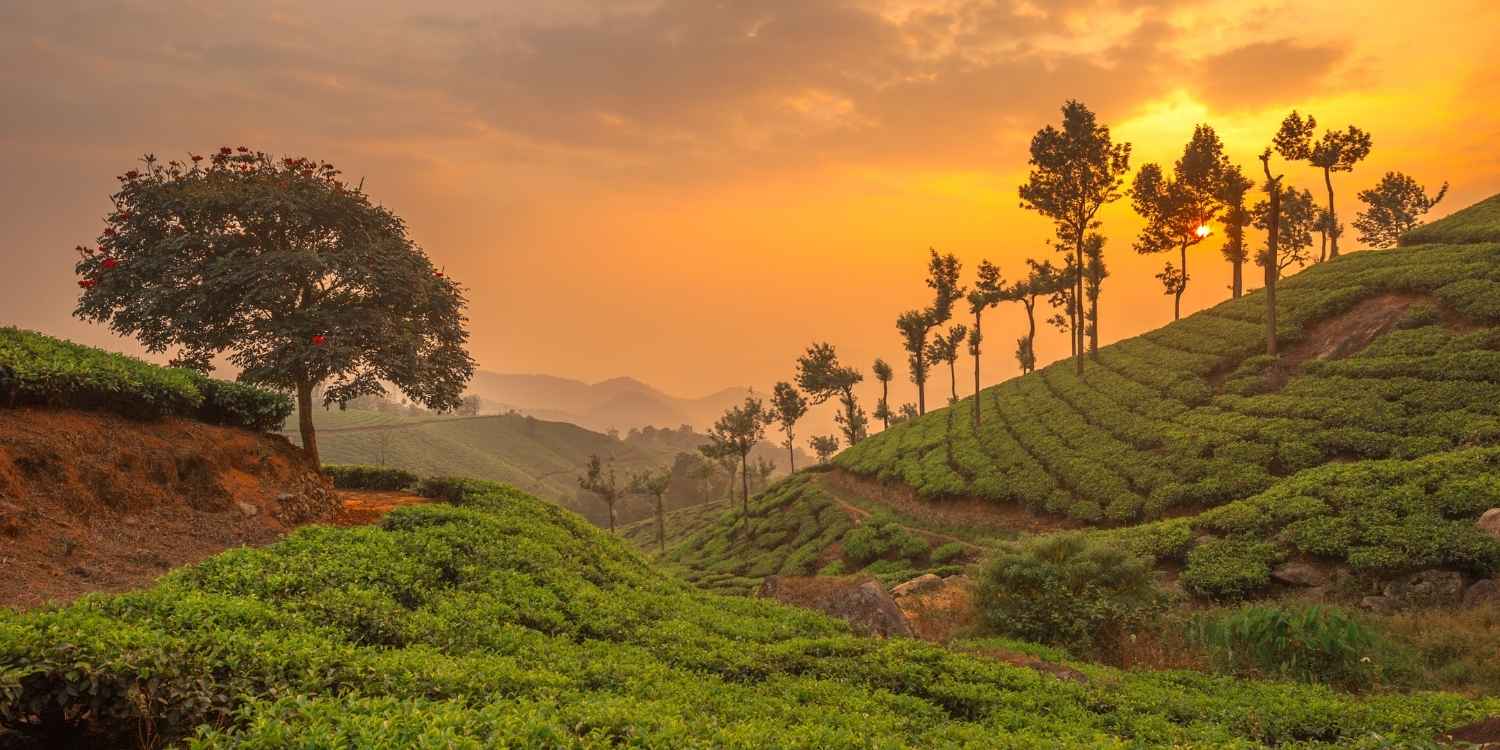 Plan your holiday
Winter in India (November–February)
Winter is peak tourist season in most regions. The weather is cool and comfortable in northern plains and western India, while southern India experiences pleasant warmth.
Best for:
- Royal cities like Jaipur and Udaipur
- Beach destinations like Goa and Andaman
- Desert landscapes in Jaisalmer
- Wildlife safaris in Ranthambore and Jim Corbett
Snowfall begins in Himalayan destinations such as Gulmarg, Auli, and Manali.
Summer in India (March–June)
Summer brings high temperatures in the plains but creates perfect conditions in hill stations and high altitude regions.
Best for:
- Manali
- Leh Ladakh
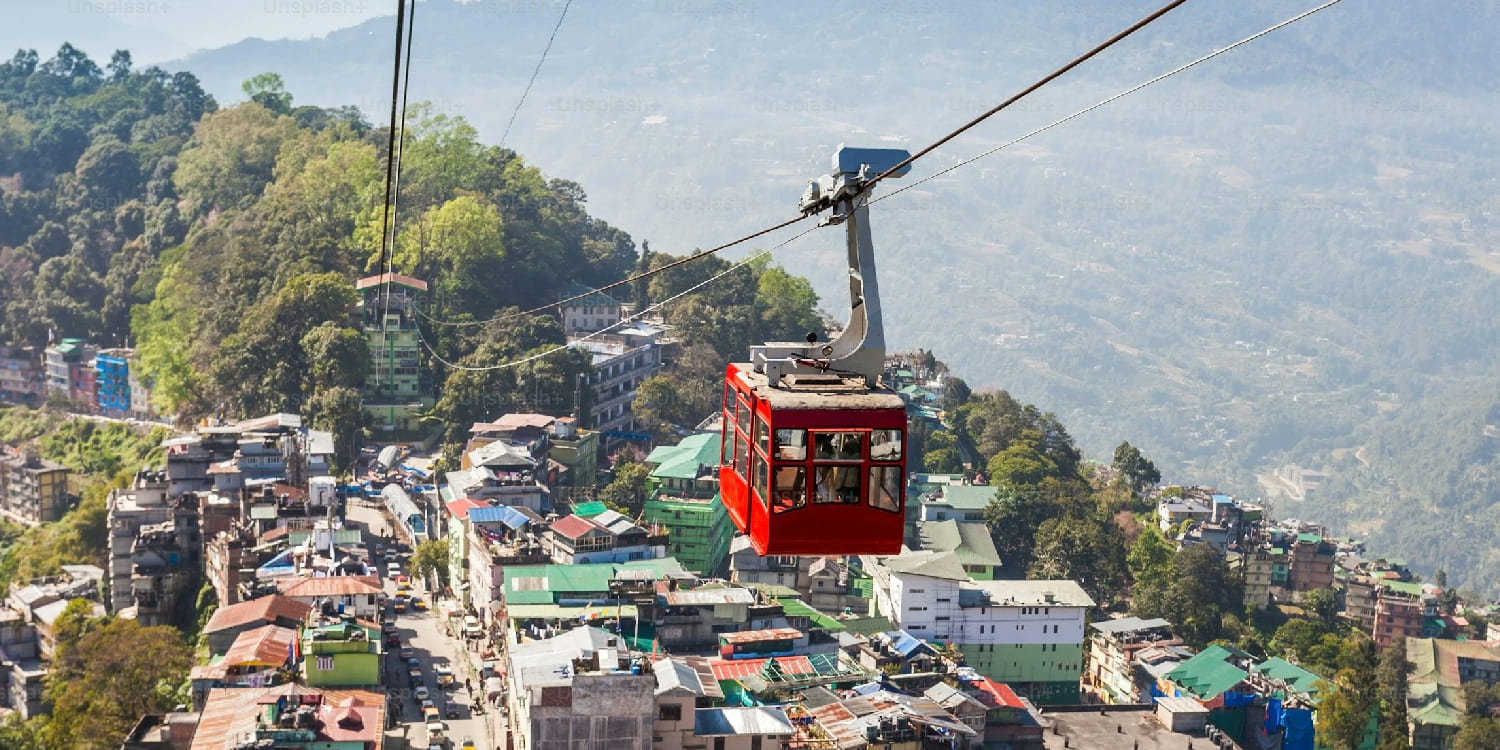
- Darjeeling
- Ooty
- Munnar
If you prefer cooler weather, summer is ideal for mountain retreats.
Monsoon in India (July–September)
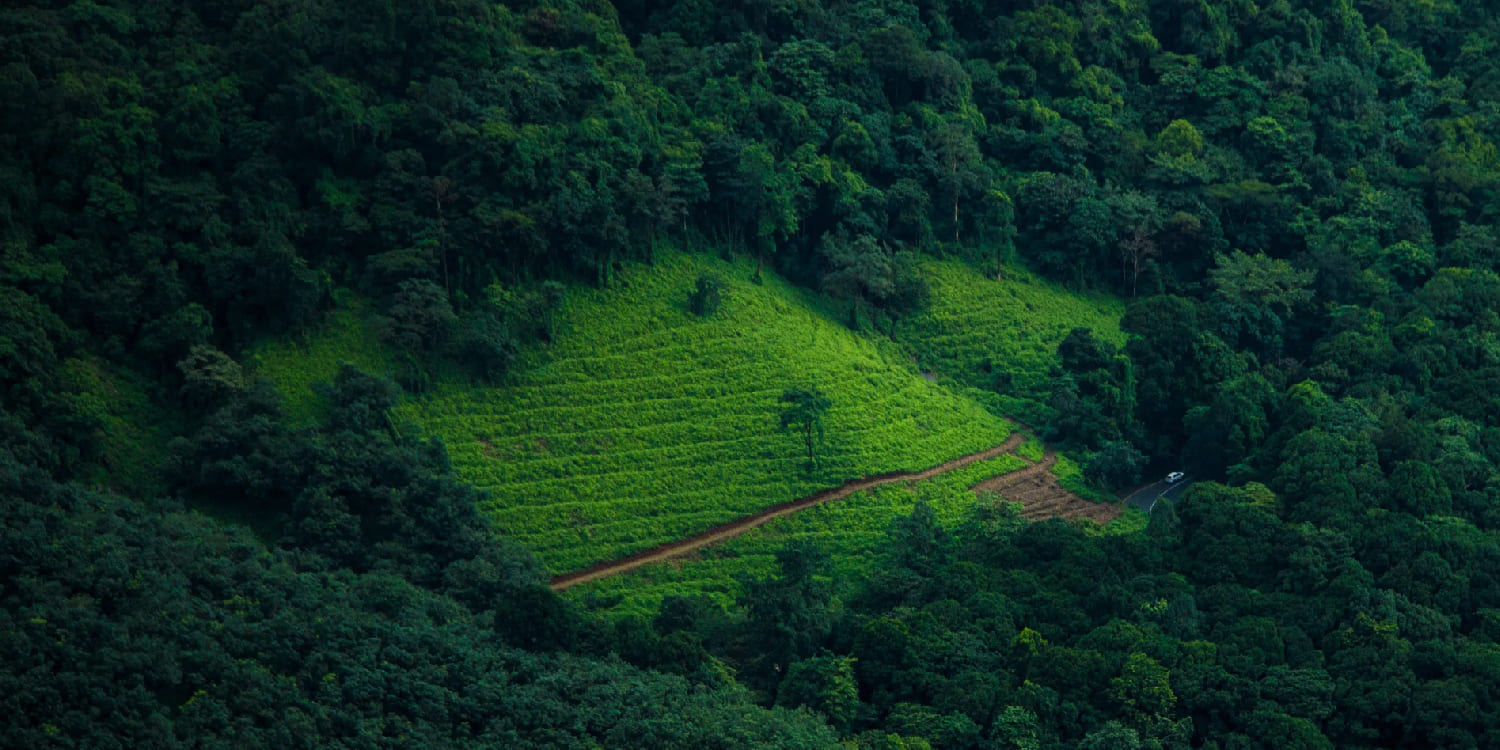
The monsoon transforms landscapes into lush green paradises. While heavy rainfall may affect some areas, many destinations become beautifully scenic.
Best for:
- Kerala backwaters
- Coorg
- Wayanad
- Meghalaya
- Valley of Flowers
Monsoon travel is romantic, peaceful, and often more budget friendly.
Post Monsoon & Autumn (October)
October marks the return of clear skies and comfortable temperatures. It is one of the most balanced months to travel across India.
Best for:
- Rajasthan
- Hampi
- Cultural festivals
- Heritage cities
- Beach escapes after monsoon
Best Time to Visit India by Region
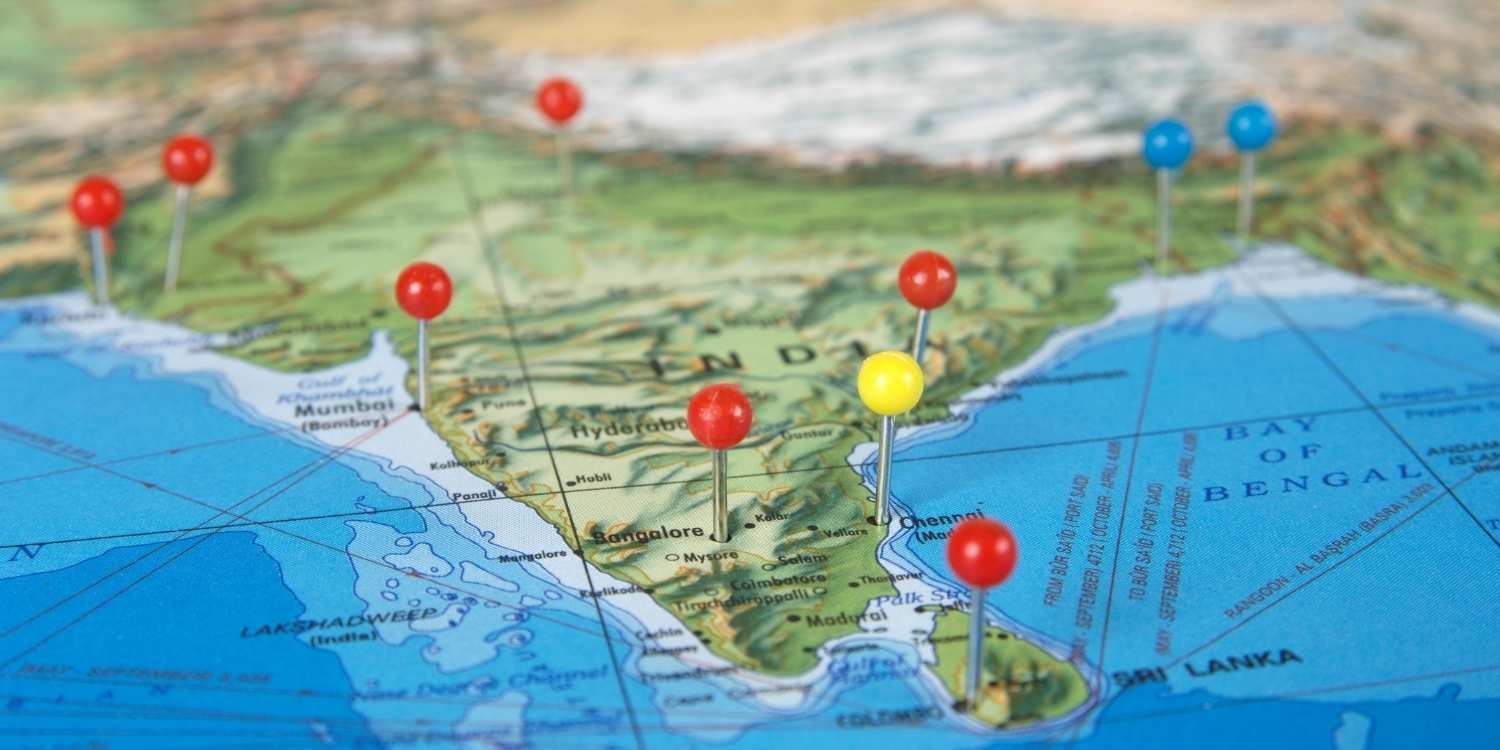 Plan your holiday
India’s climate varies dramatically by region. Understanding this helps you plan more accurately.
North India
Best Time: October to March
Winters are cool and pleasant in Delhi and Rajasthan, while snowfall begins in Himachal Pradesh and Uttarakhand. Summers (April–June) can be extremely hot in cities like Jaipur and Agra, but hill stations such as Manali and Nainital remain comfortable.
Monsoon brings moderate rain, especially in Himalayan regions, which may affect road travel.
South India
Best Time: November to February
Southern India remains warm year round, but winter offers the most comfortable conditions. Monsoon (June–September) brings heavy rainfall in Kerala and coastal Karnataka, transforming landscapes into lush green scenery ideal for nature lovers.
West India
Best Time: November to February
Goa and coastal Maharashtra are perfect in winter. Summers are humid, and monsoon brings heavy rainfall but fewer crowds.
East & Northeast India
Best Time: October to April
Sikkim, Meghalaya, and Assam experience heavy rainfall during monsoon but offer breathtaking greenery. Winters are cool and scenic.
Month by Month Travel Guide to India
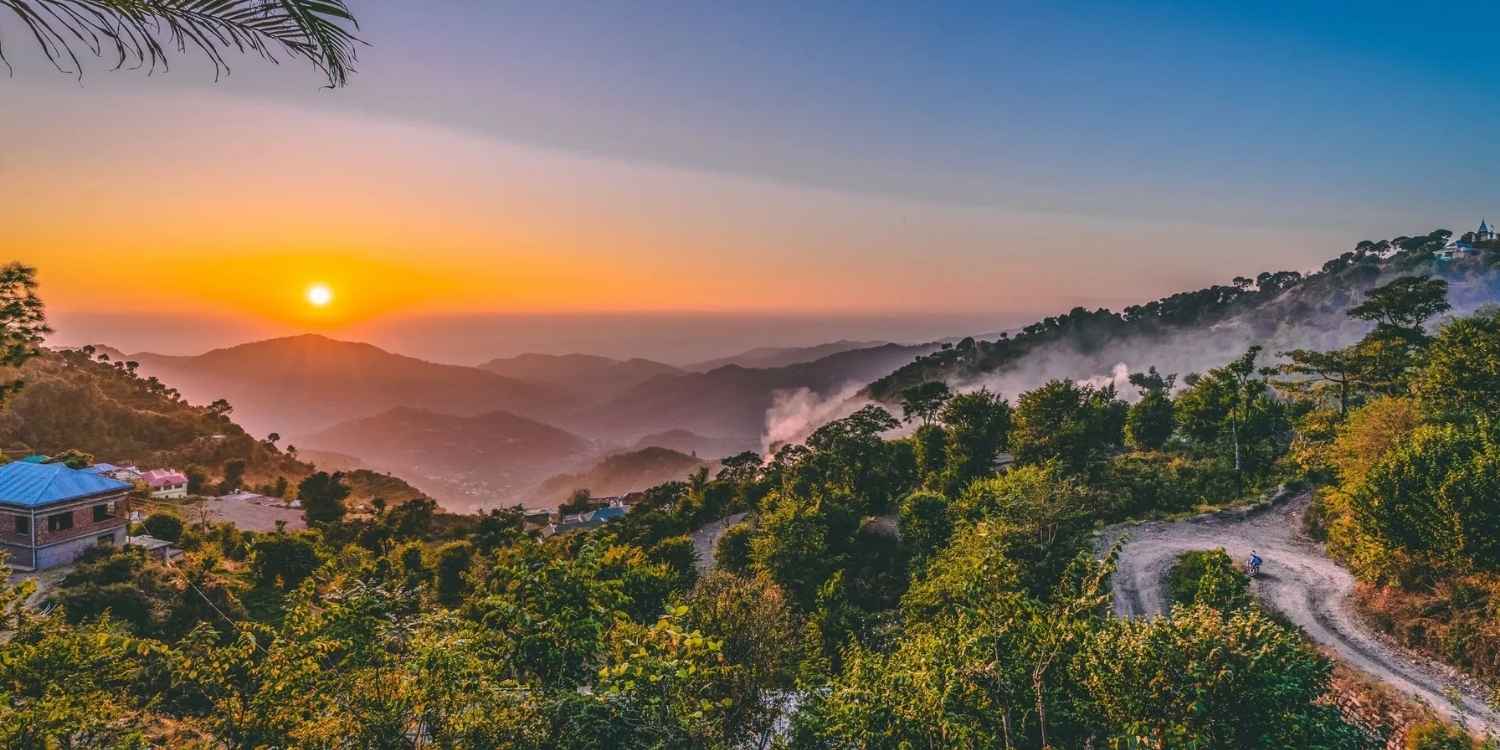 Plan your holiday
January in India
January is one of the best months to visit India due to cool, dry weather across most regions. Northern cities like Delhi, Jaipur, and Agra enjoy pleasant daytime temperatures, making sightseeing comfortable. Rajasthan’s desert landscapes are at their most inviting, while Goa and Kerala offer perfect beach weather with clear skies and mild humidity.
Traveling in winter? Explore the best 30 places to visit in January in our Web Story.
In the Himalayas, destinations such as Gulmarg, Auli, and Manali experience snowfall, attracting winter lovers and adventure seekers. Wildlife safaris in Ranthambore and Jim Corbett are also rewarding due to improved animal visibility.
Major events like Makar Sankranti and Republic Day add cultural depth to travel experiences.
Explore detailed destinations in our guide to places to visit in India in January 2026.
February in India
February continues India’s comfortable winter conditions, making it one of the most balanced months for travel. Temperatures remain pleasant across north and south India, offering ideal conditions for sightseeing, romantic getaways, and cultural exploration.
Rajasthan, Udaipur, and Varanasi enjoy mild weather, while Goa and Kerala maintain perfect beach climates. Hill stations are cool but accessible, and wildlife safaris remain excellent.
Festivals like Maha Shivaratri and Goa Carnival bring vibrant celebrations to various regions. February is particularly popular for honeymoon travel due to its stable weather and scenic beauty.
Discover top destinations in our February 2026 India travel guide.
March in India
March marks the gradual shift from winter to summer. Northern plains begin warming up, but hill stations and northeastern states remain comfortably cool. It is a transitional month, making it suitable for travellers who want pleasant weather without peak winter crowds.
Destinations such as Munnar, Coorg, Sikkim, and Darjeeling offer refreshing mountain climates. Rajasthan is still manageable in early March before temperatures rise sharply later in the month.
The colourful festival of Holi, usually celebrated in March, adds excitement and cultural immersion for visitors.
See full recommendations in places to visit in India in March 2026.
April in India
April signals the arrival of summer across much of India. While plains like Delhi, Jaipur, and Varanasi grow warmer, hill stations and higher altitudes provide welcome relief.
Ooty, Shimla, Darjeeling, and Munnar become attractive escapes for those seeking cooler temperatures. Wildlife reserves also remain active before peak summer heat sets in.
It’s a good time to explore northern mountain regions before heavy tourist influx begins in May. Travellers should prepare for rising temperatures in central and western India.
Explore options in April 2026 India travel guide.
May in India
May is the hottest month in many parts of India, particularly in northern and central plains. However, it is one of the best times to visit high altitude destinations.
Leh Ladakh, Spiti Valley, Tawang, and parts of Himachal Pradesh offer cool, crisp mountain air. This is also when Ladakh’s roads begin reopening after winter closures.
Wildlife safaris in central India can be rewarding due to limited water sources drawing animals to visible spots. Travellers should avoid lowland cities unless prepared for intense heat.
See more places to visit in India in May 2026.
June in India
June is a transitional month. Early June remains hot in the plains, but Himalayan and northeastern destinations offer pleasant conditions. As the month progresses, monsoon rains begin reaching southern and coastal regions.
Hill stations like Manali, Nainital, and Darjeeling are popular during this time. In Kerala and Karnataka, early monsoon showers start refreshing landscapes.
Travelers should monitor regional weather forecasts, as monsoon timing can vary slightly each year.
Explore June 2026 travel guide for detailed recommendation
July in India
July marks the full arrival of the monsoon in many regions. While heavy rainfall may affect certain routes, it transforms landscapes into lush green panoramas.
Kerala, Coorg, Wayanad, and Meghalaya become particularly scenic. Waterfalls are at their peak, and mountain regions look dramatically refreshed.
This is also a quieter travel month, making it attractive for budget conscious travellers. However, some Himalayan routes may experience landslides.
Discover July 2026 destinations for monsoon friendly travel ideas.
August in India
August continues the monsoon season, with consistent rainfall in western, southern, and northeastern regions. The countryside appears vibrant and fresh, ideal for nature lovers and photographers.
Kerala backwaters, Coorg plantations, and Meghalaya’s living root bridges offer exceptional scenery. Urban destinations may experience occasional disruptions due to heavy rain.
Independence Day celebrations on August 15 add patriotic spirit across cities.
Explore August 2026 travel guide for detailed suggestions.
September in India
September marks the gradual retreat of the monsoon. Rainfall decreases, leaving behind lush greenery and cleaner air. This is considered a shoulder season with fewer crowds and improving weather conditions.
Meghalaya, Coorg, and parts of Himachal Pradesh look especially scenic during this time. Travel becomes easier as roads stabilize post monsoon.
It’s an excellent month for travellers seeking peaceful experiences before peak tourist season begins in October.
See September 2026 destinations for more insights.
October in India
October is one of the most pleasant months to travel across India. Post monsoon freshness combines with comfortable temperatures in most regions.
Rajasthan, Gujarat, Hampi, and cultural circuits come alive during this period. The festive season, including Navratri and Dussehra, adds vibrancy to travel experiences.
Beaches in Goa and coastal Karnataka reopen fully after monsoon closures.
Explore October 2026 travel guide for seasonal highlights.
November in India
November signals the beginning of winter across much of the country. Temperatures become cool and comfortable in northern plains, making sightseeing ideal.
Wildlife parks reopen after monsoon closures, and desert landscapes regain popularity. Diwali celebrations often fall in October or November, adding cultural richness to travel.
Southern destinations remain warm but pleasant. It’s one of the best months for balanced travel experiences.
Discover November 2026 travel guide for full details.
December in India
December is peak winter travel season in India. Northern hill stations experience snowfall, while Rajasthan and Gujarat enjoy ideal daytime temperatures.
Goa and Kerala are popular for Christmas and New Year celebrations, attracting domestic and international travellers alike.
It’s a festive, vibrant month, but also one of the busiest, so advance booking is recommended.
Explore December 2026 destinations for winter travel ideas.
Best Time to Visit India by Travel Style
 Plan your holiday
Best Time for Honeymoon
November to February is ideal for most honeymoon destinations, while summer works well for hill stations.
Best Time for Family Travel
Winter and autumn offer comfortable sightseeing weather.
Best Time for Wildlife Safaris
Dry months (November to April) improve animal sightings.
Best Time for Budget Travel
Monsoon months (July–September) often offer discounted hotel rates.
When to Avoid Traveling in India
- May in northern plains due to extreme heat
- Peak monsoon flooding in some regions
- Festival surge pricing during major holidays
Best Time to Visit India for Festivals
India’s cultural calendar significantly influences travel timing.
- January: Republic Day celebrations
- March: Holi festival
- October–November: Diwali and Navratri
- December: Christmas in Goa
Festival travel adds vibrancy but also increases crowd levels.
Frequently Asked Questions About the Best Time to Visit India
1) What is the best month to visit India?
November to February offers the most pleasant weather across most regions.
2) Which month is hottest in India?
May is typically the hottest month in northern and central India.
3) Is monsoon a best time to visit India?
Yes, especially for nature lovers visiting Kerala, Meghalaya, and hill regions.
4) What is the cheapest time to visit India?
The monsoon season (July to September) is generally the cheapest time due to lower tourist demand and discounted hotel rates.
5) When is the best time to visit North India?
October to March is the best time to visit North India, with cool and comfortable weather for sightseeing.
6) When is the best time to visit South India?
November to February is ideal, as the weather is pleasant and less humid compared to other months.
7) Which months are best for hill stations in India?
March to June is the best time to visit hill stations like Manali, Ooty, and Darjeeling to escape the summer heat.
8) When and Where can you experience snowfall in India?
Snowfall can be experienced between December and February in destinations like Manali, Gulmarg, and Auli.
9) What is the best time for wildlife safaris in India?
November to April is best, as animals are easier to spot near water sources during dry conditions.
10) Which months are best to experience festivals in India?
March (Holi), October–November (Diwali, Navratri), and January (Republic Day) are great months to experience Indian festivals.
Final Thoughts – India Monthly Getaways
There is no single “best” time to visit India only the best time for your travel style. Winter offers pleasant weather for sightseeing and beaches, summer is ideal for hill stations and mountain escapes, while monsoon transforms landscapes into lush green retreats. Autumn brings balanced temperatures and vibrant festivals across the country. By aligning your destination with seasonal conditions, you can avoid extreme weather and crowded peaks while enhancing your overall experience.
Plan thoughtfully, consider regional climates, and choose the month that matches your expectations to make the most of your journey across India in 2026.