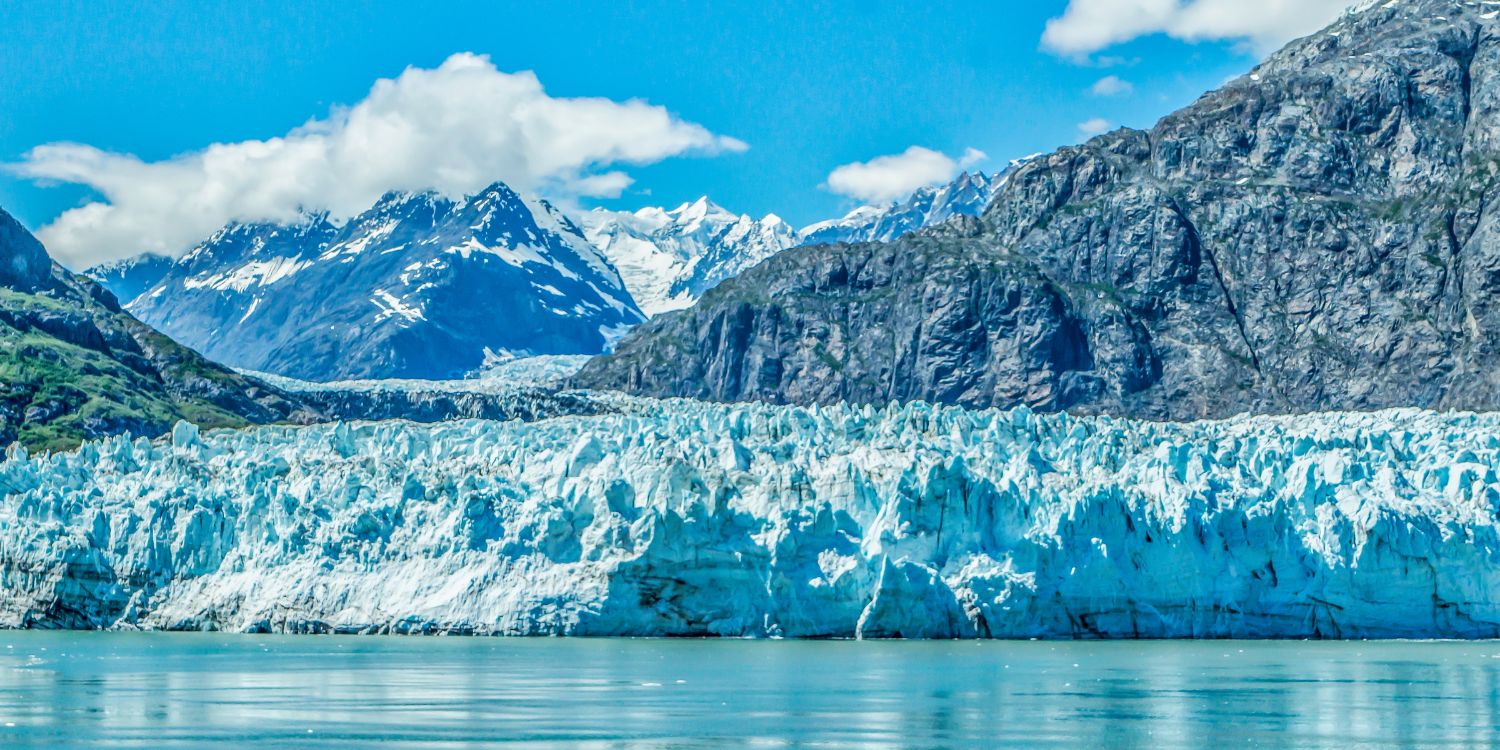


The world feels smaller than ever satellites map our oceans, drones film our deserts, and the internet delivers every horizon in seconds. Yet one place still defies that instant accessibility: Antarctica.
It isn’t just the last blank space on the globe; it’s a different kind of world altogether a place ruled by nature, silence, and science. No cities, no hotels, no permanent homes only shifting ice, relentless wind, and a handful of people who choose to live at the edge of survival.
To journey beyond the map is to see how life endures when stripped of comfort and noise. It’s not a vacation it’s a revelation.
 Plan your holiday
- The Frozen Anatomy of a Continent
- The People Who Call It Home Temporarily
- The Science Beneath the Silence
- The Fragile Balance
- The Unexpected Beauty of Everyday Life
- A Journey Measured in Perspective
The Frozen Anatomy of a Continent
 Plan your holiday
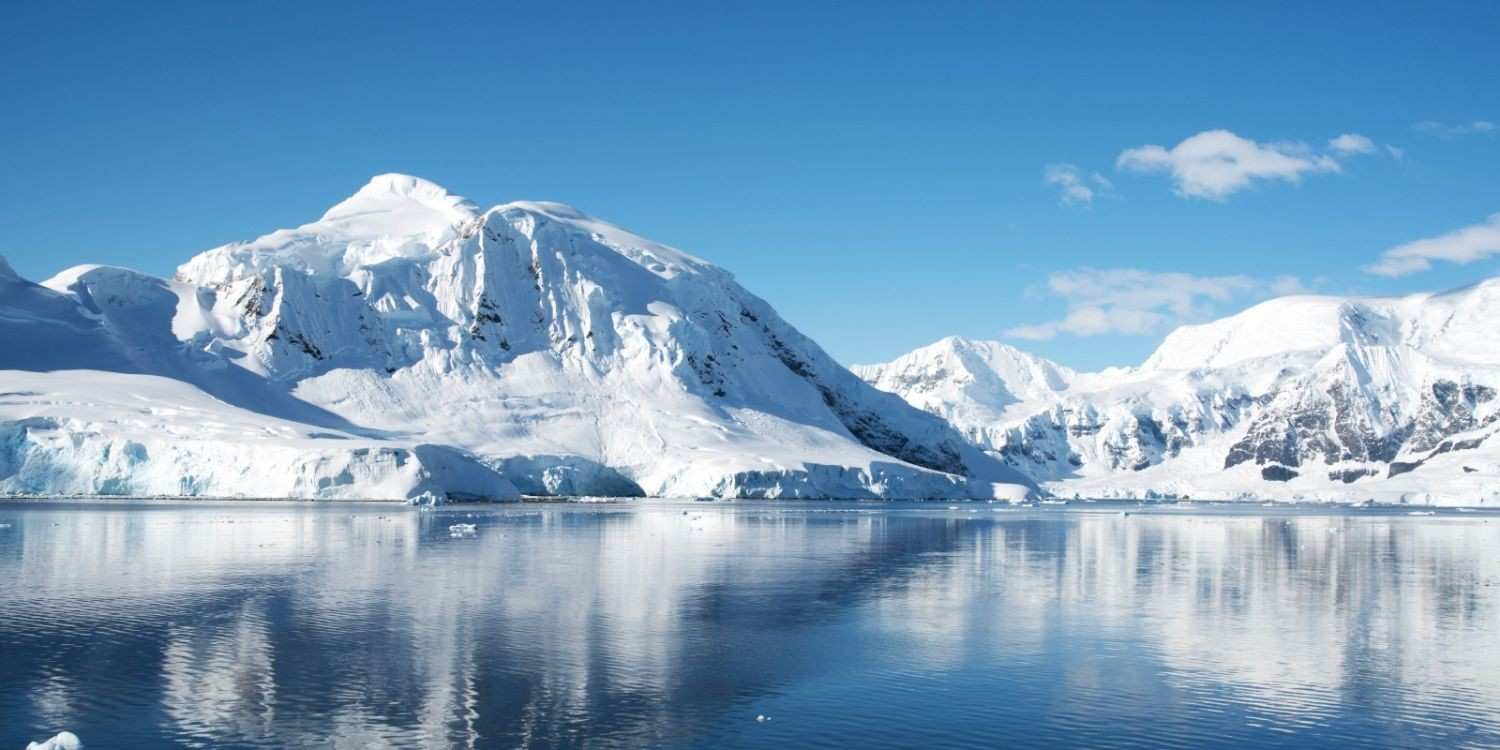
Antarctica is the size of the United States and Mexico combined, yet 98% of it is buried under ice. This ice isn’t static it flows like a living river, moving centimeters or even meters every year.
Below that frozen surface lies a geological world few have ever seen: hidden mountains, lakes sealed beneath kilometers of ice, and volcanic ridges that still breathe heat into the void. Scientists say that beneath the East Antarctic Ice Sheet, an entire network of subglacial rivers flows a reminder that even in the coldest place on Earth, movement never stops.
Here, “landscape” doesn’t just describe terrain. It describes time, motion, and memory frozen in crystal form.
Recommended Read: Amazing 6 Places Known as the Switzerland of India | Travel Rethink Ways
The People Who Call It Home Temporarily
At any given moment, roughly 1,000 to 4,000 people live on the continent not settlers, but seasonal residents of science.
They come from more than 30 nations, each bringing research goals and survival skills. Inside the neon colored research stations scattered across the ice McMurdo, Amundsen Scott, Concordia, and others life runs on discipline, cooperation, and humor.
Days are scheduled around experiments, weather briefings, and meals that defy isolation: pancakes made from powdered eggs, coffee strong enough to thaw spirits, and stories that stretch across continents.
There are no weekends here, no nightlife, and no fresh produce for months. But there’s something else a rare sense of equality. Titles fade, egos melt, and everyone becomes part of the same fragile system trying to keep humanity alive at the edge of the world.
Explore also: Luxury Escapes That Are Worth Every Penny | Travel Rethink Ways
The Science Beneath the Silence
 Plan your holiday
Antarctica is not just a landscape it’s a laboratory. Every discovery made here ripples across the world.
Glaciologists drill deep cores that reveal climate patterns dating back 800,000 years. Astronomers use the continent’s dry, stable air to peer into galaxies invisible elsewhere. Biologists study microbes thriving in subzero lakes, searching for clues about life on other planets.
Every experiment, every observation, carries a deeper message: Antarctica holds Earth’s memory and possibly, its future. The continent’s ice is a diary of atmosphere, temperature, and time. As it changes, it tells us what’s next for all of us.
Recommended Read: Packing Smart: What to Carry for Europe in Winter | Travel Rethink Ways
The Fragile Balance
Yet the same isolation that makes Antarctica pure also makes it vulnerable. The effects of a warming planet are already visible collapsing ice shelves, thinning glaciers, and species shifting their migration patterns.
In the 20th century, Antarctica was a place to conquer. In the 21st, it’s a place to protect. International treaties now safeguard it from exploitation, ensuring it remains a natural reserve devoted to peace and science.
To stand on its surface is to stand on both a treasure and a warning a reminder that the planet’s most distant places are also its most vital.
Explore also: Top 30 Romantic Cities in the World for Valentine Travel | Travel Rethink Ways
The Unexpected Beauty of Everyday Life
 Plan your holiday
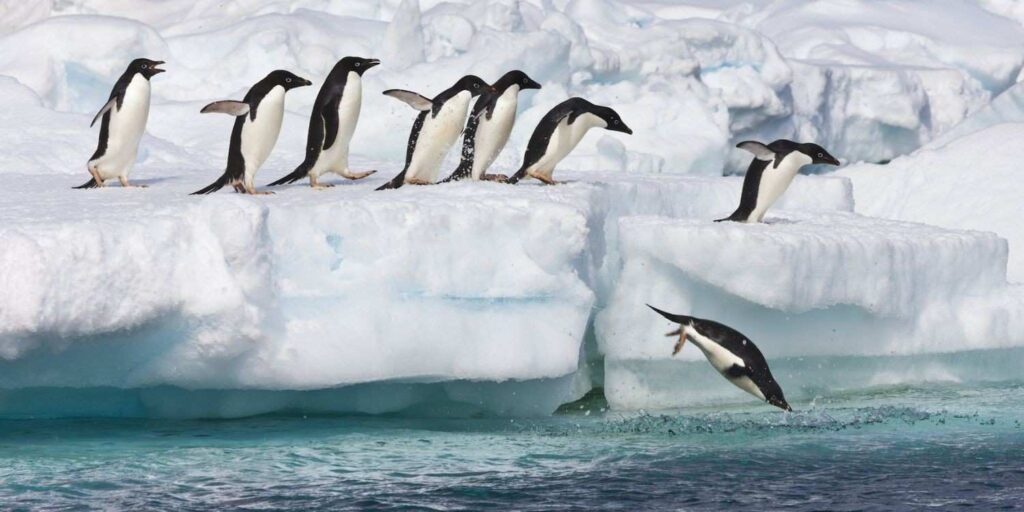
Between the extremes, small moments become priceless. The camaraderie of scientists sharing cocoa after a storm. The sight of sunlight turning snow into millions of diamonds. The strange thrill of seeing penguins wander into a research camp as if inspecting their human neighbors.
Even isolation becomes art here. The absence of noise sharpens appreciation every color, every texture, every human connection feels magnified against the white void.
Antarctica doesn’t demand your attention; it earns your respect.
Recommended Read: Serene Escapes: India’s Hidden Gems Before Spring Blooms 2026 | Travel Rethink Ways
A Journey Measured in Perspective
Traveling to Antarctica doesn’t just expand your geography it expands your humanity. You learn to live with less, to observe more, and to appreciate the smallest comforts. The warmth of a cup of soup. The rhythm of boots crunching on snow. The miracle of sunlight after months of gray.
What begins as an expedition becomes introspection. In a land that strips away distraction, you rediscover wonder in its simplest form. Here, success isn’t measured in miles traveled, but in perspective gained. The reward isn’t arrival it’s awareness.
Explore also: Unexplored Trekking Trails in South India: Where Silence Leads the Way | Travel Rethink Ways
FAQ – About Antarctica
1) Where is Antarctica located?
Antarctica is the southernmost continent on Earth, surrounding the South Pole and bordered by the Southern Ocean. It is the coldest, driest, and windiest continent on the planet.
2) Can tourists travel to Antarctica?
Yes, travelers can visit Antarctica through guided expedition cruises. These journeys typically depart from cities like Ushuaia and are carefully regulated to protect the fragile ecosystem.
3) Why is Antarctica important for scientific research?
Antarctica provides scientists with valuable insights into climate change, glaciology, astronomy, and marine ecosystems. Its ice cores hold records of Earth’s climate dating back hundreds of thousands of years.
4) Who lives in Antarctica?
No one lives permanently in Antarctica. Instead, scientists, researchers, and support staff stay temporarily at research stations such as McMurdo Station and Amundsen Scott South Pole Station.
5) What wildlife can be found in Antarctica?
Despite its harsh conditions, Antarctica is home to remarkable wildlife including penguins, seals, whales, and seabirds. Species like the Emperor Penguin thrive in the icy environment.
6) What is the best time to visit Antarctica?
The best time to visit Antarctica is during the austral summer from November to March. During these months, temperatures are relatively milder and wildlife activity is at its peak.
7) How cold does Antarctica get?
Winter temperatures in Antarctica can drop below −60°C (−76°F), making it the coldest place on Earth. Even during summer, temperatures often remain below freezing in many areas.
8) Why is Antarctica protected by international treaties?
Antarctica is protected under the Antarctic Treaty System, which preserves the continent for peaceful purposes and scientific research while preventing military activity and resource exploitation.
9) What makes Antarctica unique compared to other continents?
Unlike other continents, Antarctica has no permanent population, no cities, and no national ownership. It remains a shared international territory dedicated to science and environmental protection.
10) Why is Antarctica called the last great wilderness?
Antarctica is often called the last great wilderness because most of its vast landscape remains untouched by human development. Its pristine ice fields, remote mountains, and fragile ecosystems represent one of the few places on Earth still governed primarily by nature.
Beyond The Map – Antarctica
When you finally leave the ice and return to color, traffic, and sound, you begin to understand what “remote” truly means. It’s not about distance; it’s about purity the kind of purity that can’t survive everywhere else.
To go beyond the map is to witness a world unedited by human hands. It’s to see what Earth looks like when left alone silent, strong, and self sustaining. Antarctica may be the last great wilderness, but it’s also a mirror reflecting who we are: explorers, caretakers, and, above all, temporary guests.
Beyond the map lies not emptiness, but meaning proof that wonder still exists in the spaces untouched.
Recommended Read: Switzerland VISA Guide for Indian Travelers 2026 | Travel Rethink Ways
Planning a trip but don’t know where to start?